










Lūʻau & dinner options
Polynesian culture and food have been deliciously intertwined for thousands of year. You can hardly experience one without the other. Choose from two authentic dining options:
Aliʻi Lūʻau Buffet
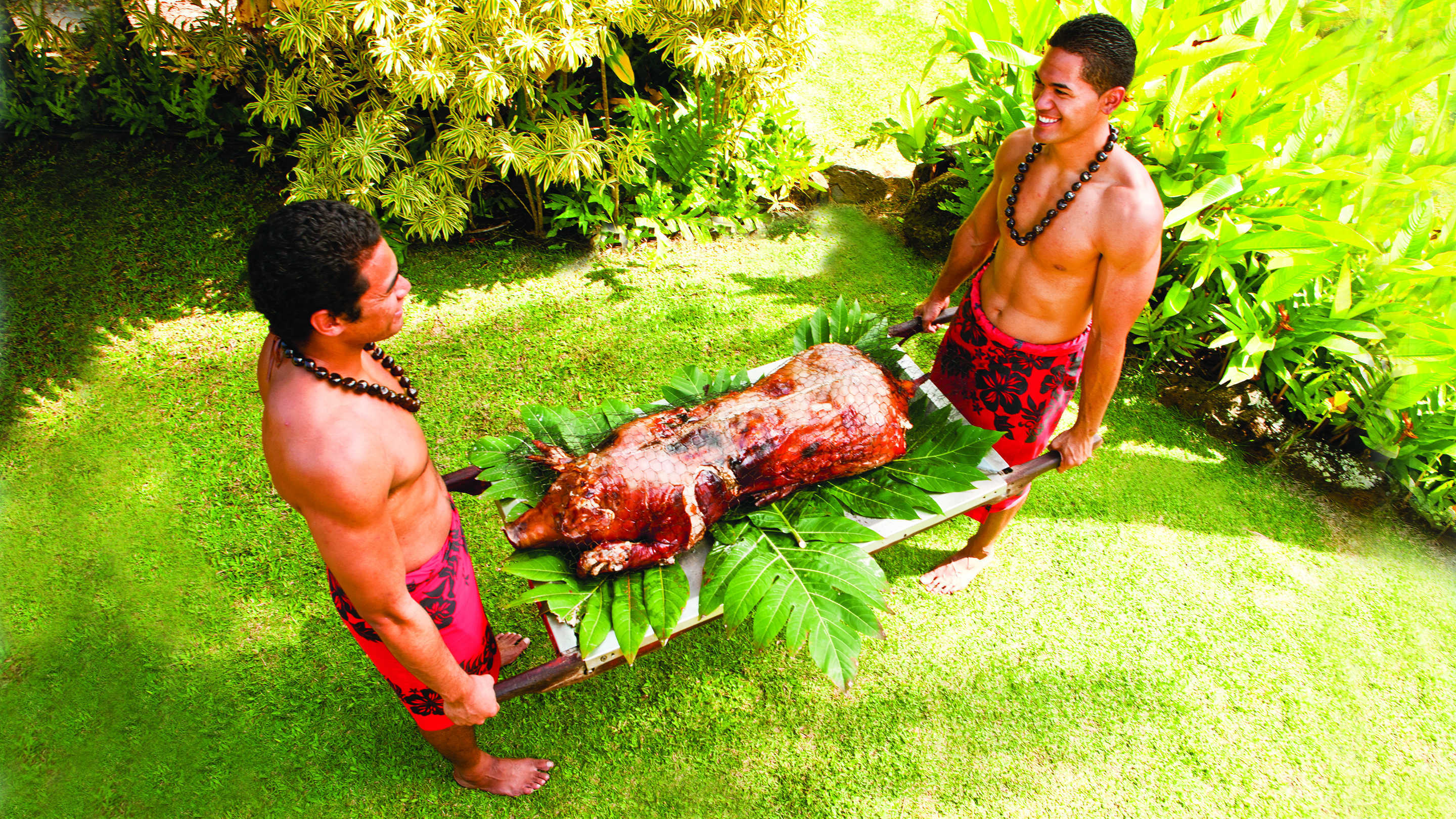


4:40 pm - 6:05 pm at the Hale Aloha & Hale Ohana
Taste, sight and sound unite to bring you the ultimate lūʻau experience. Dine in our authentic “all you can eat” Polynesian buffet while enjoying an island extravaganza of song, dance and celebration from across the Pacific. See full menu >
Learn more about the best lūʻau in Oʻahu >
Menu
FREQUENTLY SELLS OUT. BOOK TODAY! BUY TICKETS
Gateway Buffet


Doors open at 4:30 pm - 7:00 pm at our Gateway Restaurant
The Gateway Buffet is our most popular dinner package and is offered as an alternative to our lūʻau. Come enjoy a premiere dining experience that includes live music in a relaxed atmosphere with an expansive buffet of island inspired dishes.
Menu
SEE GATEWAY BUFFET PACKAGES BUY TICKETS
lunch and snack options
SNACK BARS
Open daily 12:45-5:00 pm

Visit the new Hukilau Marketplace at the Polynesian Cultural Center.
Get important updates and special offers
Dining FAQ
-
What is the difference between the Aliʻi Lūʻau Buffet and the Gateway Buffet?
The Aliʻi Lūʻau Buffet is a Hawaiian lūʻau dinner experience featuring buffet dining, live entertainment, an imu presentation, and Onipaʻa, a tribute to Queen Liliʻuokalani and Hawaiʻi’s royal history. The Gateway Buffet is a more relaxed dinner option at the Gateway Restaurant, with live music and a large buffet of island-inspired dishes.
-
What time do dining experiences start?
The Aliʻi Lūʻau runs from 4:40 pm to 6:05 pm, with seating beginning at 4:40 pm. The Gateway Buffet runs from 4:30 pm to 7:00 pm. Earlier in the day, guests can enjoy the snack bars from 12:45 pm to 5:00 pm, and a variety of lunch, dinner, snack, and treat options at Hukilau Marketplace.
-
Are there vegetarian, gluten-free, or allergy-friendly dining options?
Yes. Menus include gluten-free, nut-free, dairy-free, and vegetarian selections across the dining venues. Both the Aliʻi Lūʻau and Gateway Buffet also offer a mix of meat, seafood, vegetable, and kid-friendly dishes, which makes it easier to plan for different tastes and dietary needs.
-
Can I get lunch or snacks without booking a dinner package?
Yes. The Dining page includes snack bars open daily from 12:45 pm to 5:00 pm, and the Hukilau Marketplace also has food trucks and kiosks. The Marketplace’s basic hours are 11:00 am to 7:30 pm, although some vendors may open earlier or stay later.
-
Is dining included with my package, or do I add it separately?
Dining depends on the package you choose. The Aliʻi Lūʻau is included with the Super Ambassador, Aliʻi Lūʻau, or Lūʻau & HĀ: Breath of Life packages, while the Gateway Buffet is included with the Gateway Buffet package. Same-day dining add-ons may sometimes be available during your visit, subject to availability.