








Explore Authentic Polynesian Food in Hawaii
| Eat Polynesia | Cultures of Polynesia
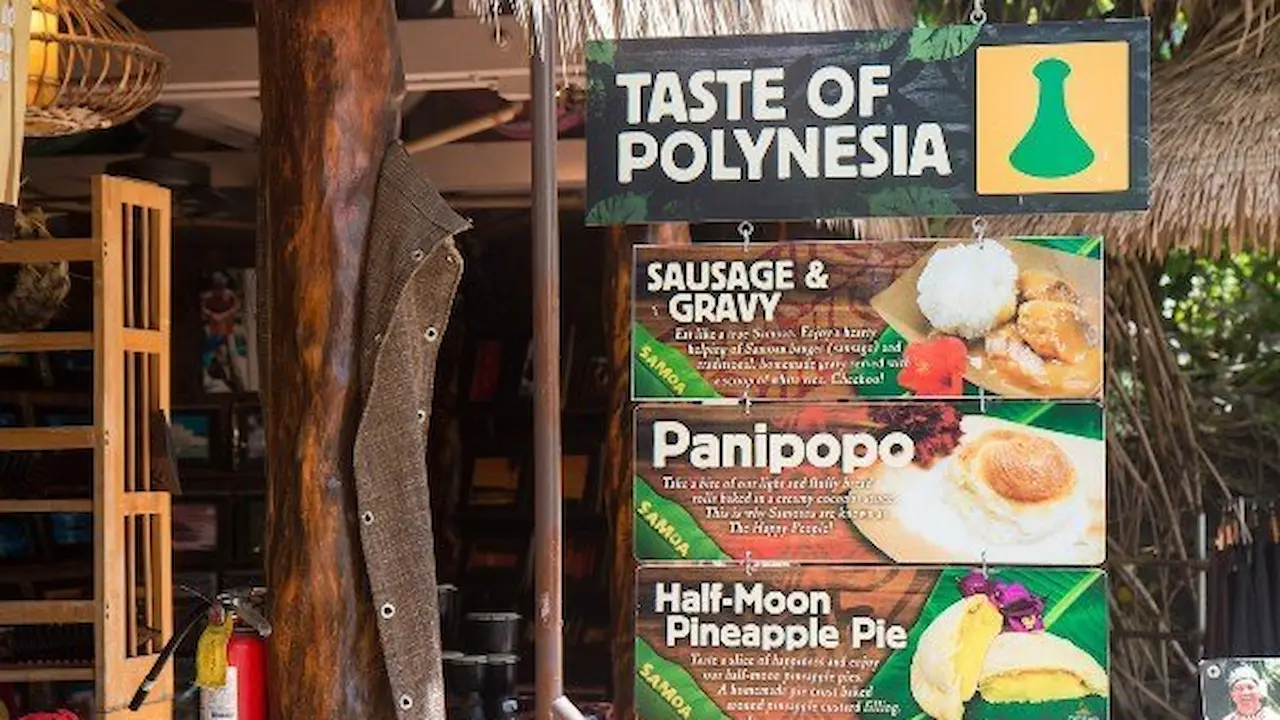
There are few food scenes as prolific and fascinating as that of the Polynesian islands. The term "melting pot" aptly describes Hawaii’s culinary history, with a rich legacy of explorers and Polynesian settlers mixing with immigrants from around the globe and their traditional cuisines.
An authentic Polynesian experience in Hawaii can’t be separated from the foods that reflect this melding of cultures and flavors. Don’t miss a chance to sample these unique local and regional dishes at an authentic luau or a local plate lunch place, where each dish has its own story to tell.
Kalua Pig
The earth oven, or ground cooking, is a popular cooking method used by ancient civilizations around the world. With few resources, this cooking technique instills smoky flavors while tenderizing the meat. Using only heated rocks or coals buried in the ground, these earth ovens can cook an entire pig in about eight hours.
Early Polynesian settlers are credited with establishing this cooking method on the islands and popularizing kalua pig and turkey—two succulent offerings made tender through slow cooking.
Preparing an earth oven is no small feat, but it continues to live on as the highlight of many luaus. The Aliʻi Luau at the Polynesian Cultural Center provides an authentic immersion in Polynesian celebration rituals, including the Royal Court Procession and presentation of the underground oven.
Laulau
Laulau, a traditional island entrée steamed underground, is made from pork shoulder, white fish, or chicken mixed with spices and wrapped with taro leaves. Steaming these pouches underground fuses the ingredients and tenderizes the meat.
Laulau is a popular plate lunch item usually served with a side of rice and macaroni salad. It’s also very affordable, often costing less than $5.
Lomi Lomi Salmon
Western whalers introduced islanders to salted fish, or raw fish rubbed with salt. This was prepared with fresh tomato and onion to create a salmon salad, which is still served as a side dish on many traditional Hawaiian plates.
New variations of this salad include Japanese soy sauce, chili peppers from Portugal, and Korean spices. Similar preparations are enjoyed in poke (cut or diced fish), which is eaten raw like ceviche with sea salt, candlenut, and seaweed.
Fijian Curry
This multicultural dish reflects the strong Indian influence on Fiji, where over 300,000 Indians—almost 40% of the total Fijian population—live today.
Based on a home recipe from a Fijian staff member, the Polynesian Cultural Center’s curry with chicken, carrots, and tomatoes stewed with Indian spices turns up the heat (in a good way). A little sweat will actually cool you off. Plus, it’s the perfect excuse to indulge afterwards in a refreshing Tongan ʻotai—a milky, seasonal fruit beverage that includes tropical treats like coconut cream, mango, and lychee.
The Fijian curry and Tongan ʻotai are just two of the several authentic Polynesian dishes you'll find at the Polynesian Cultural Center.
Bread Pudding
Sweet breads in Hawaii became popular in the 1950s after Robert Taira founded his bakery in Hilo. The breads are characteristically light and fluffy with a mild sweetness.
Taira’s bakery later became known as King’s Hawaiian, and the brand can now be found in grocery stores across the U.S.
Bread pudding is a popular dessert made from these local breads, incorporating dried fruit like raisins, plus cinnamon and nutmeg to create a unique twist on the traditional English dessert. Today, bread pudding is served as a sweet ending to many other Polynesian favorites.
The ethnic influences on traditional food from Polynesia have resulted in a robust culinary spectrum—balancing the Old World with the New. Don’t miss your chance to take a bite from the past on your next trip to Hawaii.
This article is brought to you by the Polynesian Cultural Center—All of Polynesia in one place.