








The Meaning and History of the Haka: Māori War Dance Explained
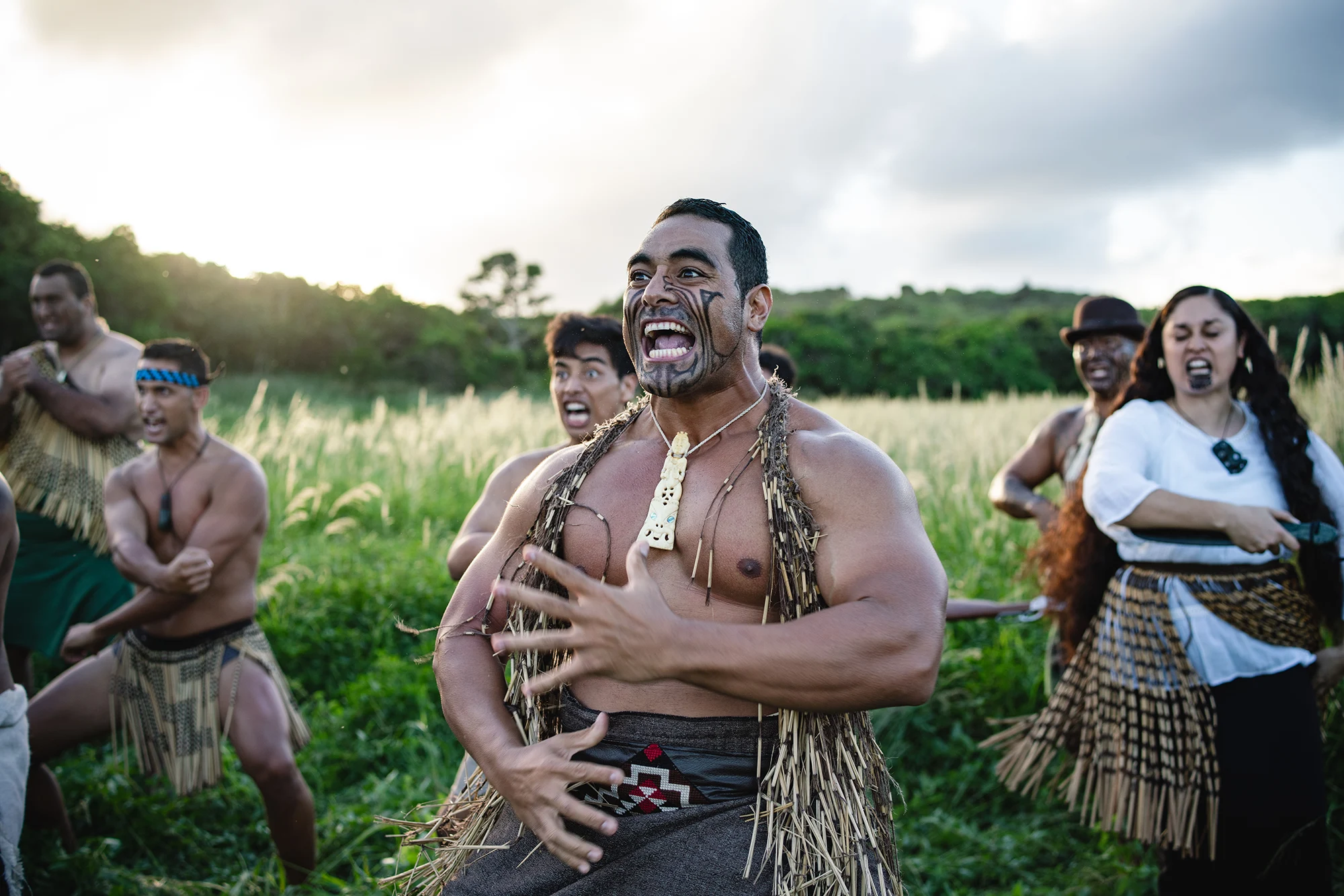
The haka is a traditional Māori dance from Aotearoa (New Zealand), performed with vigorous stamping, rhythmic chanting, and intense facial expressions to express strength, emotion, or challenge. Once used to intimidate rivals before battle, it's now performed to welcome guests, honor achievements, and rally sports teams and it remains one of the most powerful cultural performances in the world.
My First Encounter With the Haka
I was in high school when I witnessed my first haka in Hilo, performed by a dance troupe from Aotearoa (New Zealand). The first thing that came out of my mouth was, "WOW." It was so powerful it gave me goosebumps all over my body. It was an emotional moment that left me in tears, literally and physically, I was struck in awe.
Since working at the Polynesian Cultural Center, I've come to respect and honor this ancient Māori war dance, or challenge, if you will, from our Māori friends of Aotearoa, and to see how alive Māoritanga, the Māori way of life, still is today. I can watch a haka and never get tired of it.
What Is the Haka?
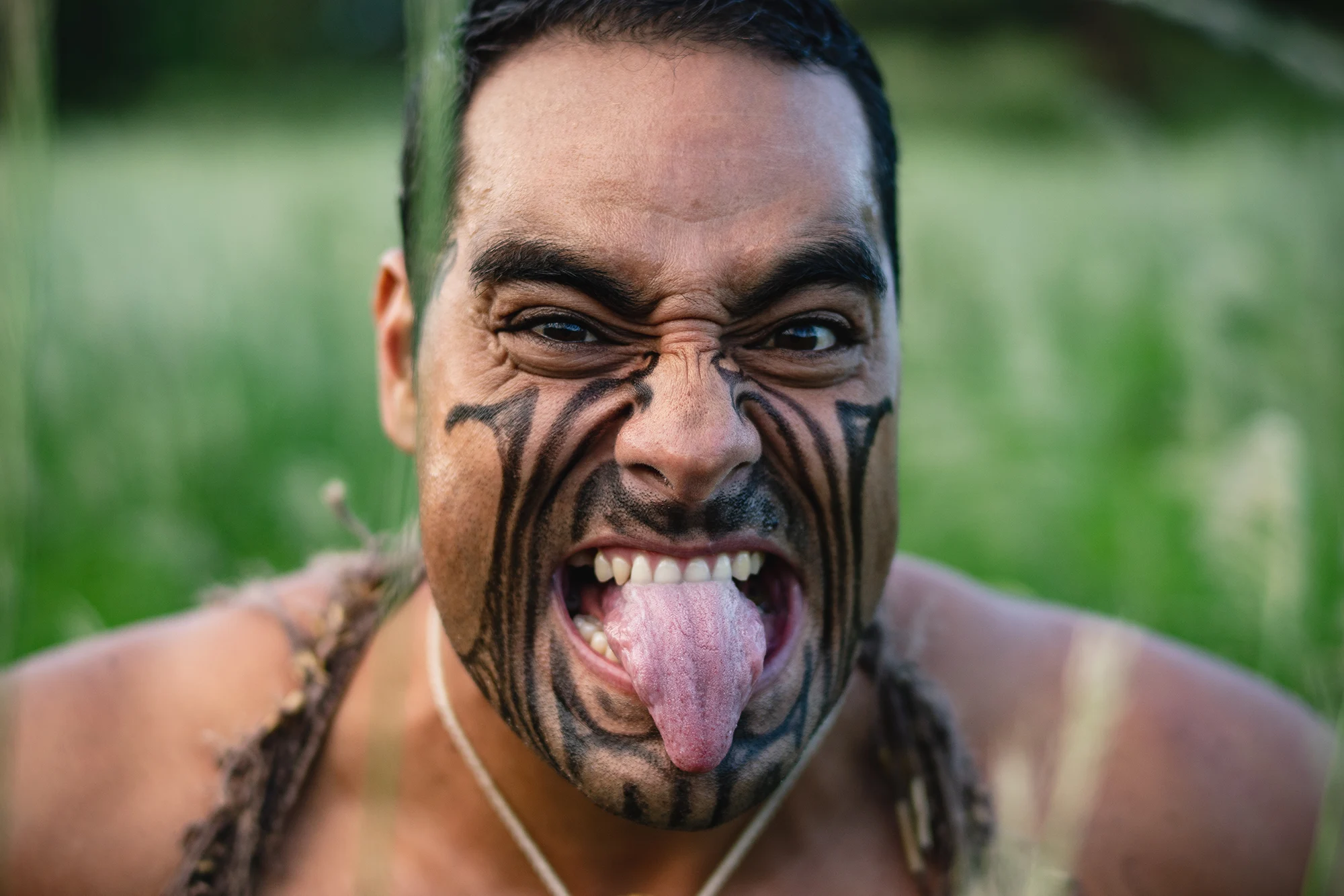
Haka is a traditional dance form of the Māori people, performed with vigorous movements, stamping feet, and a rhythmically shouted chant. Performers use a range of actions, including showing the whites of their eyes, poking out the tongue, fierce facial expressions and grimaces, and slapping the hands against the body.
The haka works like a symphony, where different parts of the body act as instruments. The hands, arms, legs, feet, voice, eyes, tongue, and body as a whole combine to express courage, defiance, joy, or whatever emotion the occasion calls for.
The History and Purpose of the Haka
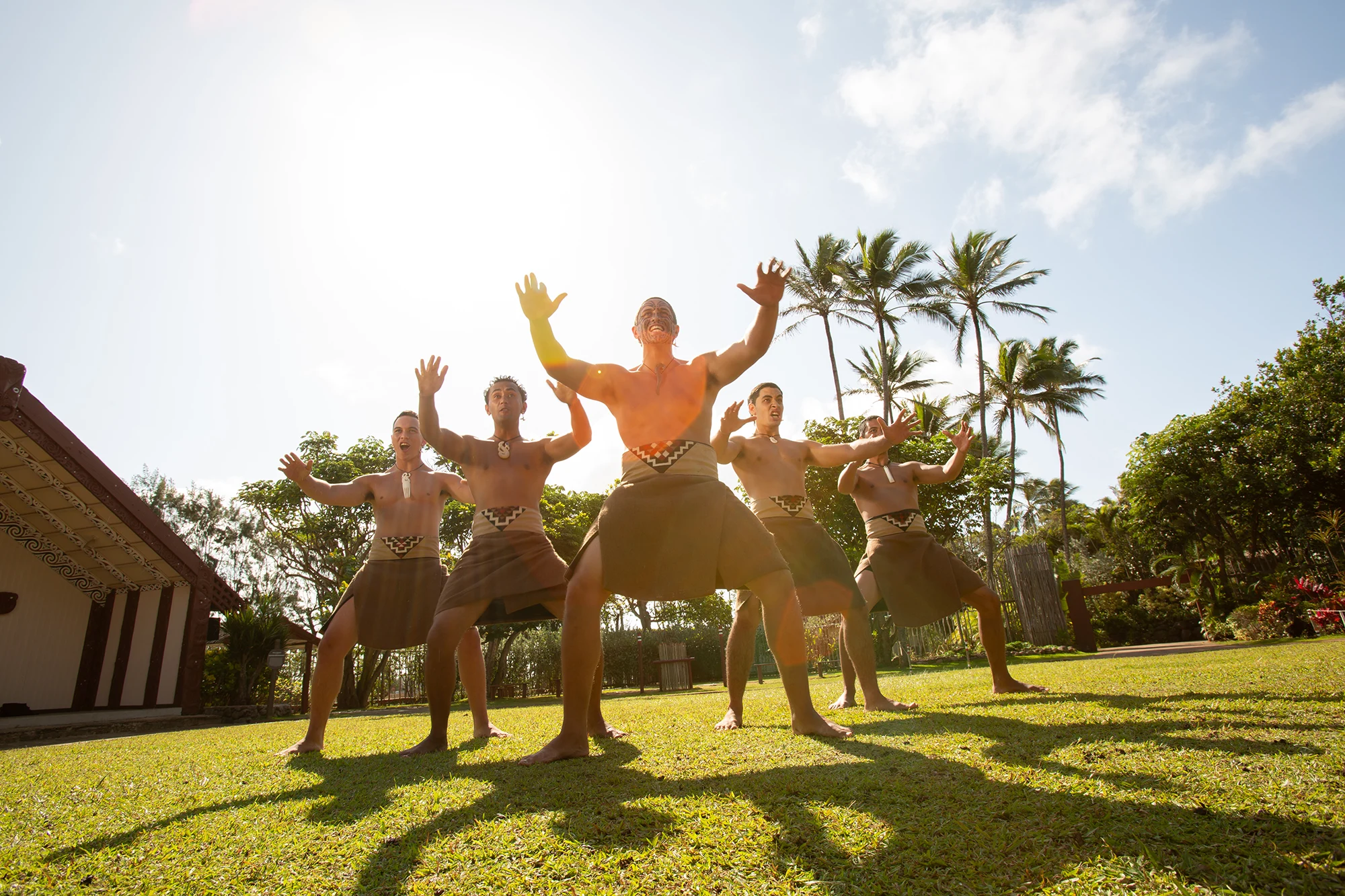
Traditionally, the war haka was performed by Māori warriors before battle to proclaim their strength and intimidate the opposition. But the haka has never been only about war. It's also performed to:
Welcome distinguished guests
Acknowledge great achievements
Mark significant occasions, including funerals
The Haka Today: Sport and Celebration
Today, the haka is best known outside Aotearoa for its role on the sports field, most famously performed by New Zealand's national rugby team before international matches. In this context, the haka isn't about proving superiority, it's a way of honoring a worthy opponent. In a traditional Māori meeting house, a challenge might be offered to visitors as a way of saying, "We believe you are equal to us in honor and power."
The Meaning Behind the Movements
The haka is more than a vigorous physical performance, every word and motion carries meaning and history specific to the group performing it and the occasion behind it. Understanding that context is part of what makes watching a haka such a striking experience. If you'd like to explore more of the Māori language and worldview behind performances like this, our post Honoring the Māori Language Through Inspired Quotes is a great place to start.
See the Haka for Yourself
Want to experience the power of the haka and the language behind it? Check out these two videos:
What is the Meaning of Haka — a closer look at the meaning and emotion behind the movements.
Fun Learning Maori Words and Phrases — a lighthearted way to pick up some everyday Te Reo Māori words and phrases.
Watch them, and you might feel the same chills and goosebumps I did when I first saw a haka decades ago.
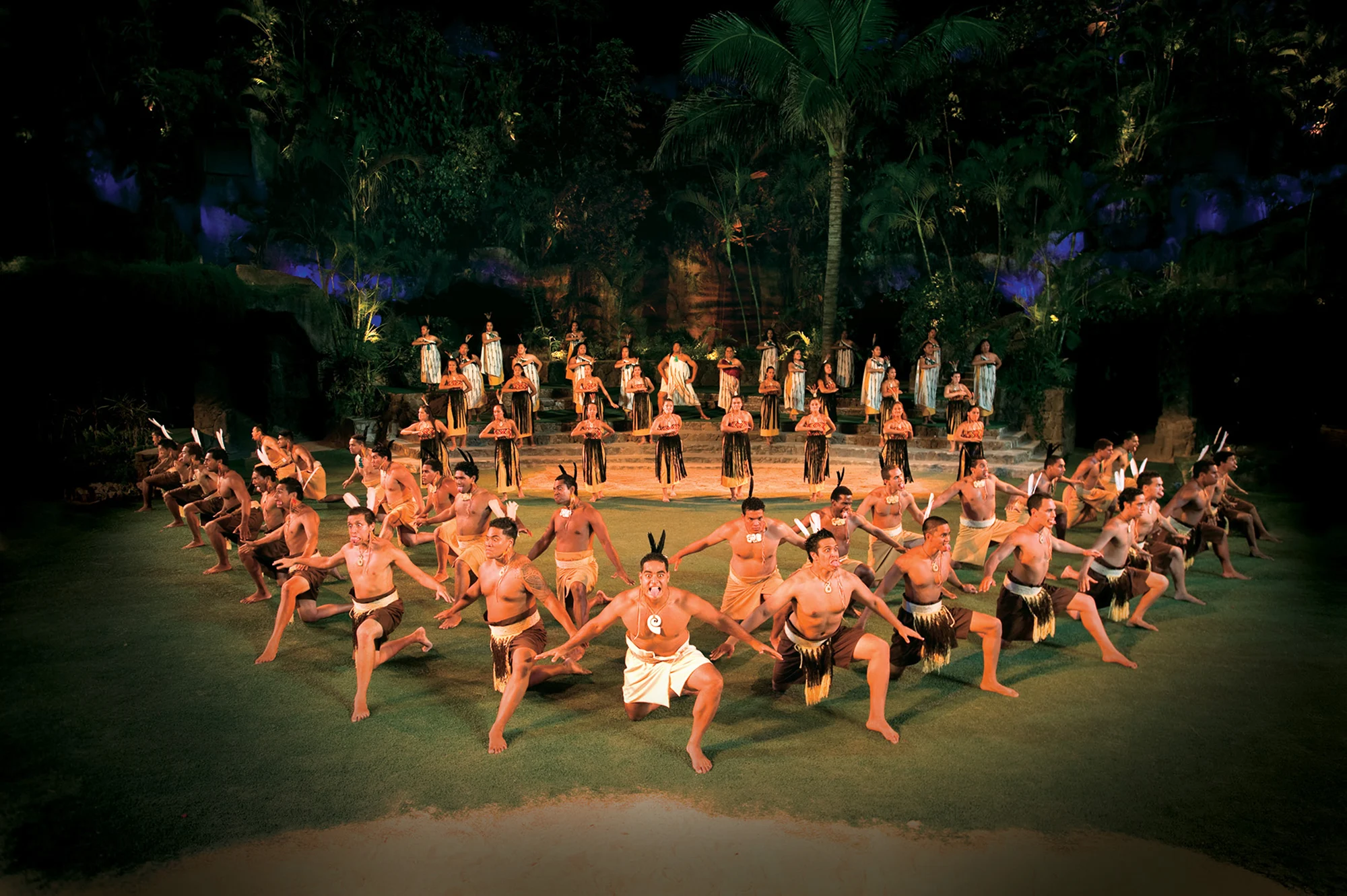
Videos capture a lot, but seeing a haka performed live, up close, is its own experience. Guests visiting our Aotearoa (New Zealand) village can watch it performed in person as part of a day at the Polynesian Cultural Center. Plan your visit and see it for yourself.
Frequently Asked Questions
What does the haka mean?
The haka is a Māori dance that uses chant, movement, and expression to convey emotions like strength, unity, pride, or respect. Its exact meaning depends on the specific haka and the occasion it's performed for.
Is the haka only performed by men?
No. While war haka were traditionally performed by men, women also perform haka, and mixed-gender performances are common today, especially outside of war contexts.
Why do rugby teams perform the haka?
New Zealand's national rugby team performs a haka before matches as a display of pride, identity, and respect for the opposing team, not as an act of aggression.
Is it disrespectful for non-Māori to learn or perform the haka?
Learning about the haka's meaning and history, as this article does, is generally welcomed. Performing a haka is more nuanced, since specific haka often belong to particular groups or occasions, it's best learned directly from Māori instructors or cultural context.
About the Author
Bobby Akoi
Bobby Akoi served as Director of Protocol and Community Relations at the Polynesian Cultural Center for 44 years before retiring in 2019. A BYU–Hawaii graduate and former PCC performer, he has spent decades sharing Polynesian culture with guests from around the world.