








A Lūʻau History: Keeping Tradition Alive in Hawaiʻi
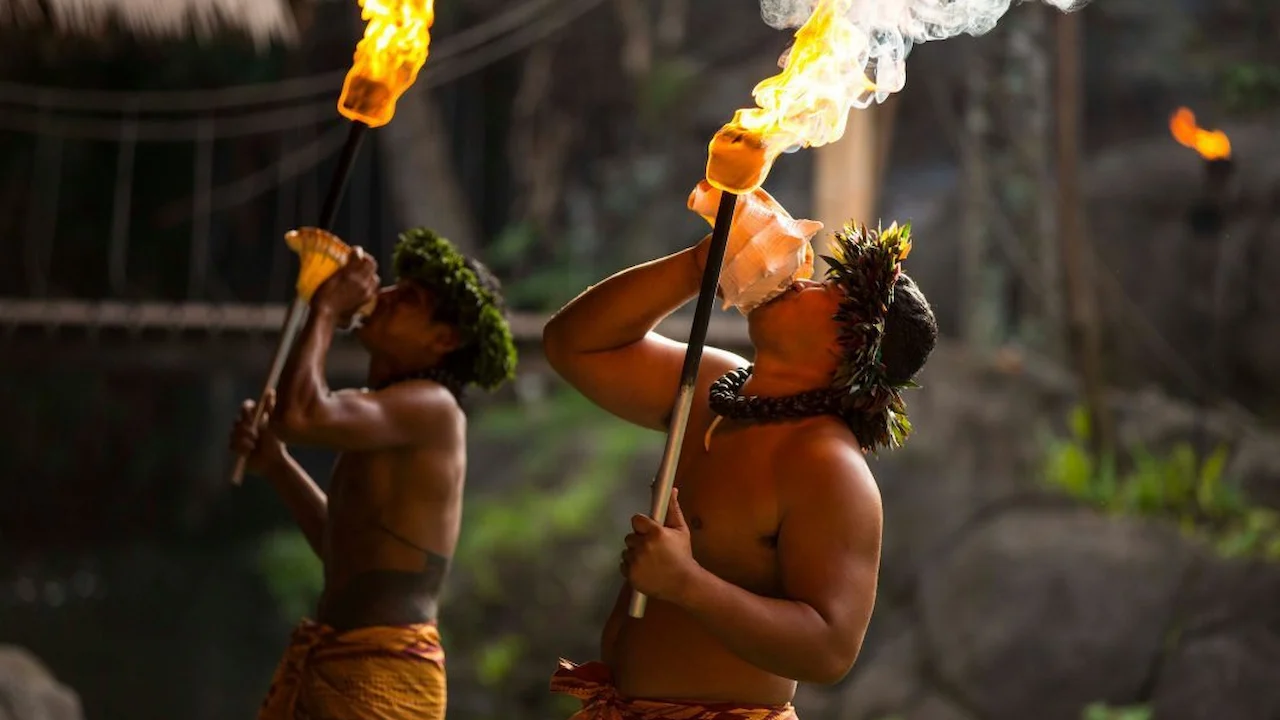
Lūʻau history is steeped in aloha. It is a feast, a celebration, and a connection to the bountiful beauty of Hawaiʻi.
Hawaiʻi has a rich culture and history whose vibrancy continues to amaze every person lucky enough to study or visit the Islands. One prevalent example that continues to excite is the lūʻau. Read on to learn more about the lūʻau history and how this tradition remains prevalent and honored today.
Kapu History and the Lūʻau
Kānāwai was the ancient Native Hawaiian legal system that was in place until 1819. Under this system, certain things were kapu, meaning sacred or forbidden. There were some prevalent laws of this governing system that disallowed communal feasts. Such rules imposed restrictions on villagers, not within the ruling class, preventing common people from partaking in specific foods and activities. It was also stated that men and women were not allowed to eat together.
When King Kamehameha II personally removed the restrictive bands of kapu law, the lūʻau was introduced as an opportunity for everyone to gather together and celebrate.
Editor's note: Historically, Hawaiian feasts like these were called pāʻina. The modern use of the term lūʻau refers to larger gatherings with performances and entertainment, which is slightly different from the original traditional feasts.
Traditional Lūʻau Food and Setting
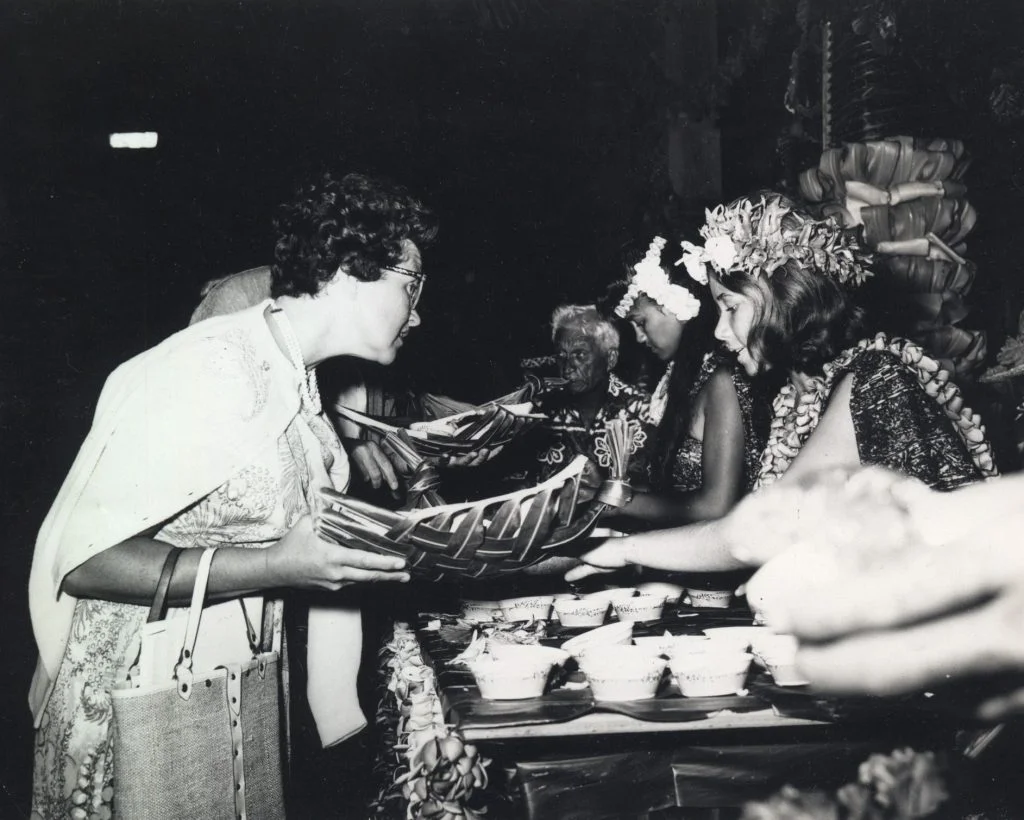
In earlier times, lūʻau fare was served at low tables decorated with fruits and flowers. You will find that modern lūʻau celebrations are now generally served at long rectangular tables with chairs or benches. The food, however, still includes traditional dishes such as poke (diced raw fish), poi (made from cooked, pounded taro root), and kālua puaʻa (whole roasted pig) that has been cooked in an imu (underground oven). The feast is often accompanied by music and dancing and can last for hours or even days.
Lūʻau and Its Connection to the Hula
Hula is a beautiful and energetic means of communication; a celebration of history, family, and faith. Many legends and historical accounts are passed down through these intricate dances and the accompanying music. Two popular forms of hula are hula kahiko and hula ʻauana.
Traditional hula
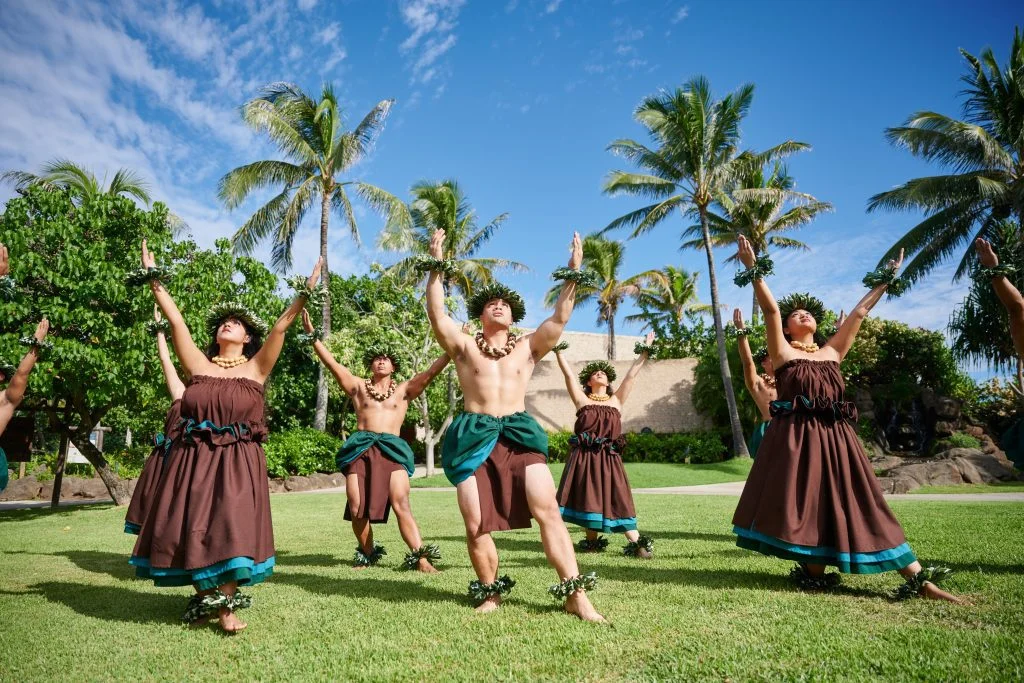
Hula itself is not just a dance but an entire interpretation of legends, history, feelings, and poetic texts. The traditional form is called kahiko, meaning ancient. This hula style stretches back for centuries and could serve religious, historical, or even educational purposes. This form generally includes a mele (a song or chant) and traditional instruments.
Modern hula forms
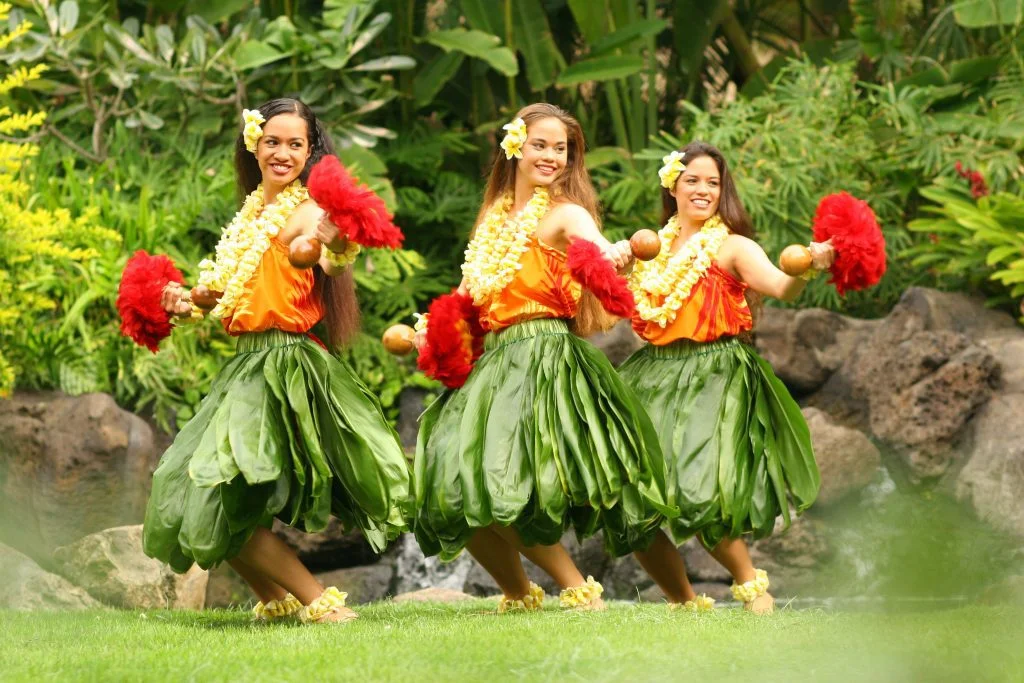
ʻAuana, meaning to wander or drift, is the hula style after Western influence. This hula began as a means to entertain travelers in the 1800s. It has only grown from there, becoming extremely popular in the early 1900s as airplanes began to bring larger numbers of tourists to the islands' shores. It incorporated a new form of music that included stringed instruments and English-language lyrics.
There are many styles of hula, but regardless of how it is performed, hula remains a beautiful representation and tribute to the stories that have been passed down through the generations, as well as an expression of the beauty that surrounds us here in Hawaiʻi.
When is a Lūʻau Held?
Nowadays, a lūʻau can celebrate birthdays, graduations, and everything in between. They are particularly popular in the celebration of a child’s first birthday and to mark historic events. They are also popular for extended family and community activities. Another popular occasion is for fundraisers. In fact, the roots of the Polynesian Cultural Center began as a means to help local Polynesians rebuild their community chapel that was destroyed in a fire.
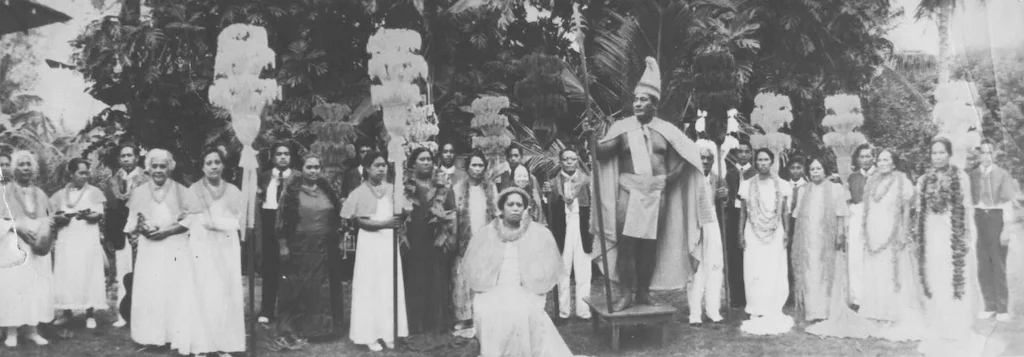
Also popular are the many commercial lūʻau. These can be presented in open, casual settings such as on a beachfront, within hotel facilities, and on grassy areas. Though some aspects have changed over time, the beautiful performances, delicious food, and joyous feelings of togetherness remain.
The Aliʻi Lūʻau at the Polynesian Cultural Center
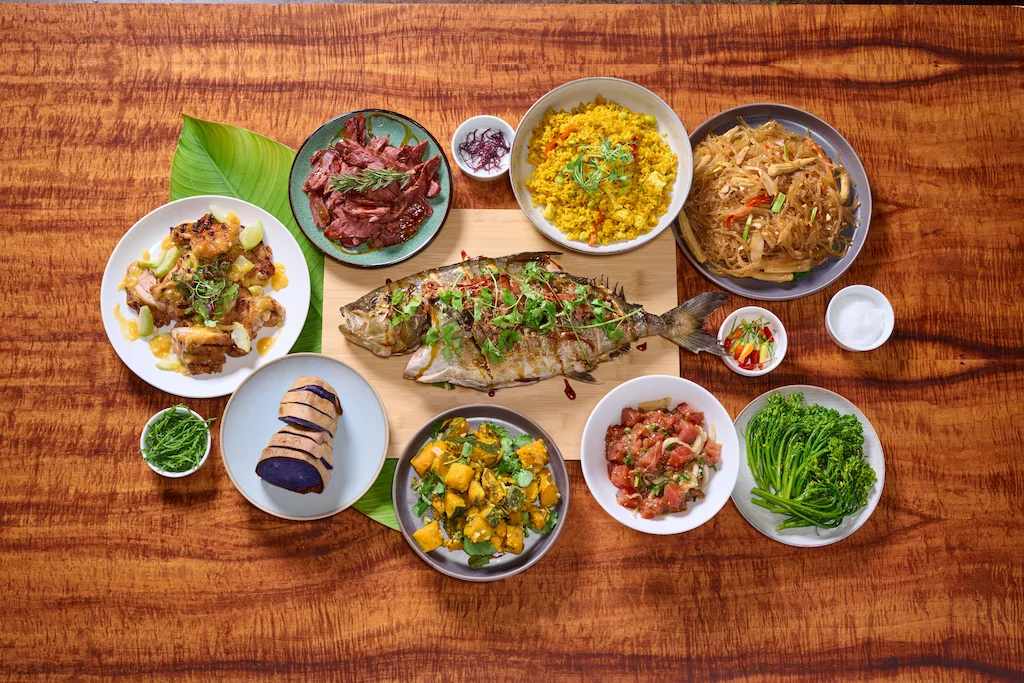
For guests looking for a culturally rich lūʻau experience focused on traditional foods, entertainment, and history, the Aliʻi Lūʻau at the Polynesian Cultural Center is considered one of the finest on the island. It is also the best value for your travel dollars.
It offers a full day of cultural presentations and hands-on activities that culminate in what is frequently described as the best and most authentic lūʻau experience on Oʻahu. Included is the royal procession, where the aliʻi (royal representatives) welcome their guests, along with live music, an abundant feast including traditionally inspired dishes from Executive Chef Felix Tai, and the presentation of Onipaʻa, which highlights traditional dance, songs, and history honoring the last reigning monarch of Hawaiʻi, Queen Liliʻuokalani.
Experience this once-in-a-lifetime opportunity, set in a magnificent outdoor setting among waterfalls and native plants. Book your tickets today!