








Hawai‘i Vacation Do’s and Don’ts
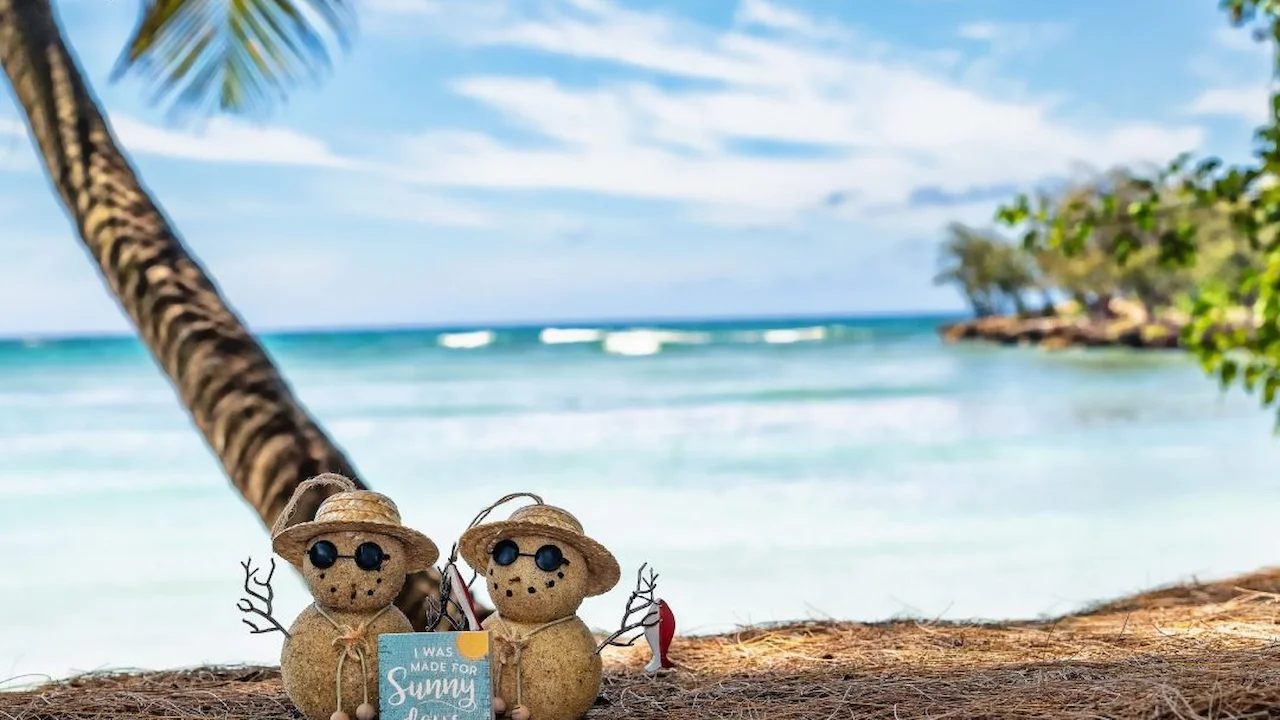
Looking for the “Do’s and Don’ts” for your upcoming Hawaiʻi vacation? This article will help you become familiar with local laws and guidelines designed to protect the environment and preserve our natural resources.
What Not to Bring
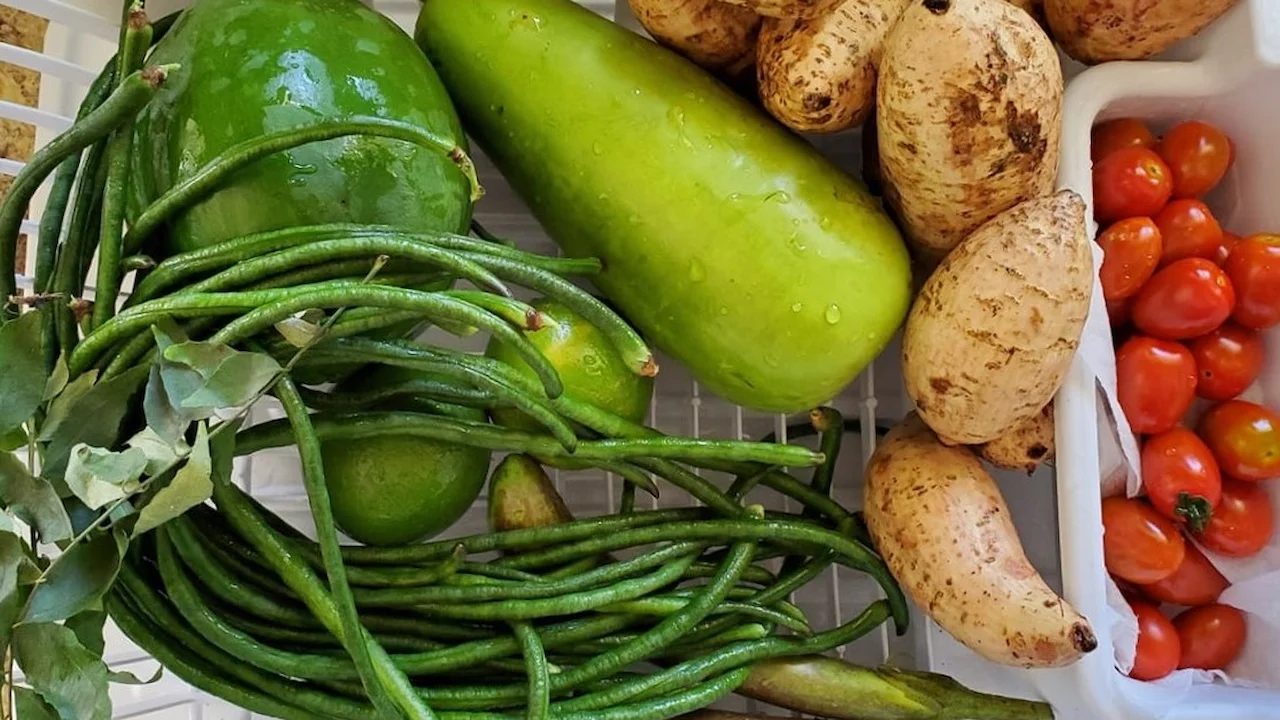
Produce, flowers, plants, bugs
Do not bring in plants or fruits from plants, even if it’s just an apple. Although a few things are allowed, you will need to prove when and where they were grown and picked. Why? Foreign plant and animal life have devastated our agricultural and natural species populations. Hawai’i does not want to gamble the viability of its native soil, plants, and wildlife any further.
That doesn’t mean you can’t bring anything. But it’s going to be a lot easier to just not try. We have wonderfully stocked grocery stores and neighborhood markets. You will have no problem coming up with plenty of delicious and nutritious things.
Let’s go straight to the USDA.gov website. Here we find a list of food and agricultural items that you cannot bring into Hawaiʻi:
- Fresh fruits and vegetables, except for those listed above as permitted
- Berries of any kind, including whole fresh coffee berries (aka, coffee cherries) and sea grapes
- Cactus plants or cactus plant parts
- Cotton and cotton bolls
- Fresh flowers, plants, reptiles, bugs, and invasive and/or non-native items
- Live insects and snails
- Seeds with fruit clinging and fresh seed pods
- Soil or any plants in soil
Undeclared firearms, illegal drugs, paraphernalia, etc.
It’s amazing how many people do not remember that Hawai’i is every bit as bound by U.S. laws and regulations as the continental U.S. Seriously, if it’s illegal on the mainland, you can bet it’s illegal here!
What Not to Do During Your Vacation
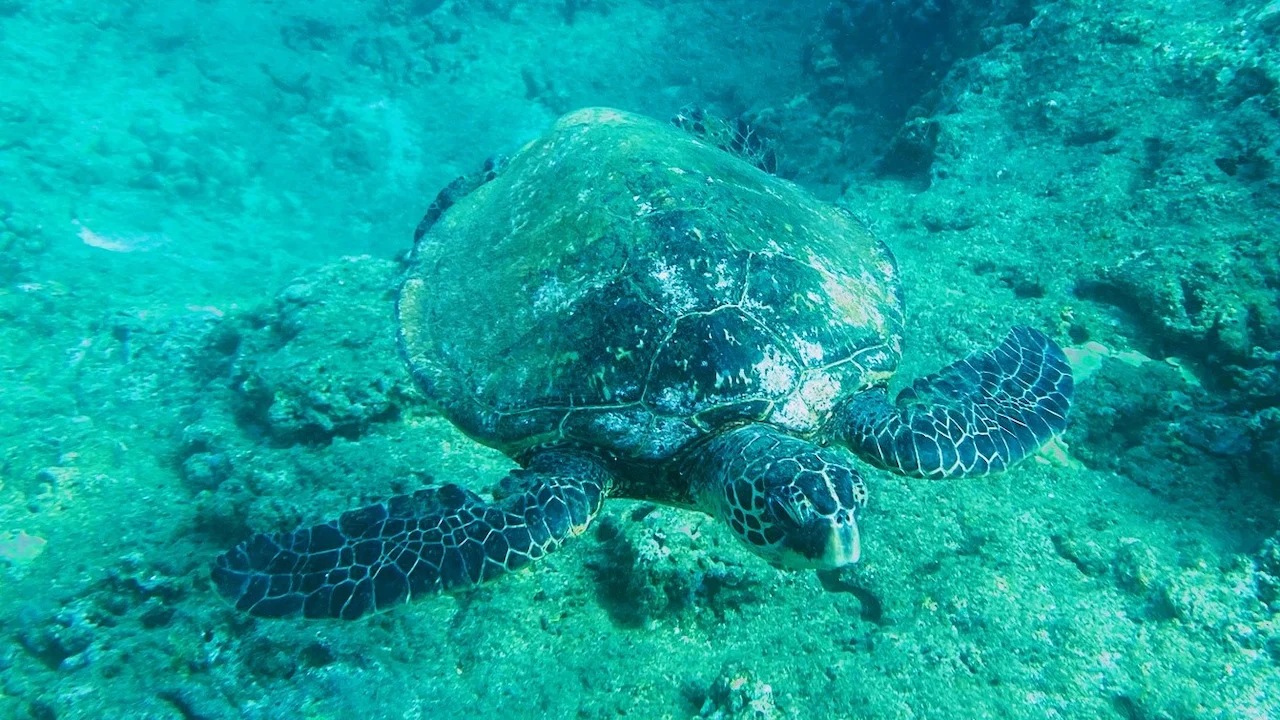
Don't touch protected wildlife
It is illegal to touch or harass sea turtles, monk seals, or any other marine animals, based on both the Endangered Species Act and the Marine Mammal Protection Act. A hotline is utilized across the island to report any turtle or seal that comes up to sun themselves across the islands. Within minutes, you will see volunteers stringing yellow caution tape up and around these protected animals. Take this law seriously, as it comes with a severe fine and possibly jail time. Show courtesy and wisdom by staying a respectable distance away.
Don't jaywalk
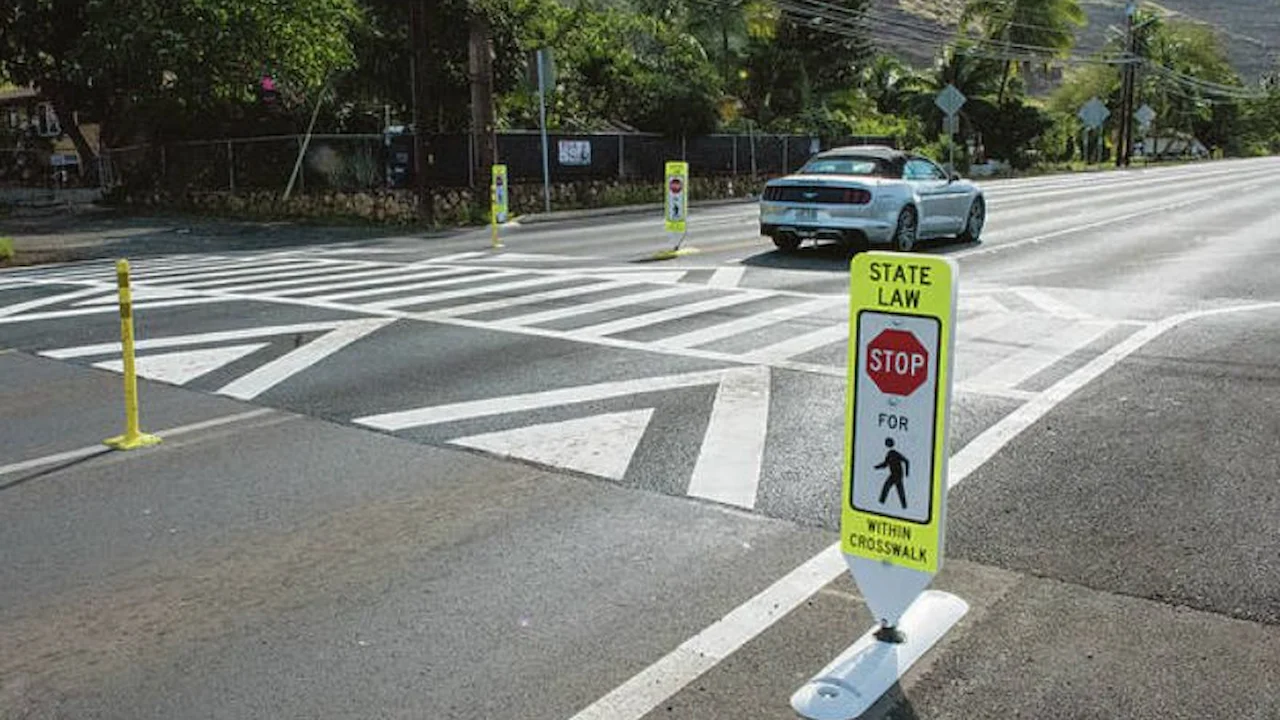
Jaywalking is illegal all over the islands, but moreover, due to road and traffic conditions, it is extremely dangerous. This not only includes Waikīkī and downtown Honolulu, where police officers will be more than happy to slap offenders with a costly ticket, but also throughout the island. Farrington Highway, which covers the far west side of the island, is considered the most dangerous roadway in the state.
On the North Shore, where parking is severely limited, visitors anxious to visit some of the amazing beaches park wherever possible and end up playing a game of chicken with the thousands of cars on the road. Use your head, and the closest sidewalk. Even then, make sure that you look to see that the driver clearly sees you and is slowing. Don’t take anything for granted.
Don't miss out on winning a free trip to Hawai'i!
While you plan your Hawaiian vacation, enter now to win a free dream trip to Oahu! From July 1, 2026, to October 31, 2026, one lucky person has the chance to win the best Hawaiian getaway with authentic experiences. With $5,000 worth of activities, you can enter with no purchase necessary. Enter now before time runs out!
How to protect our fragile shoreline
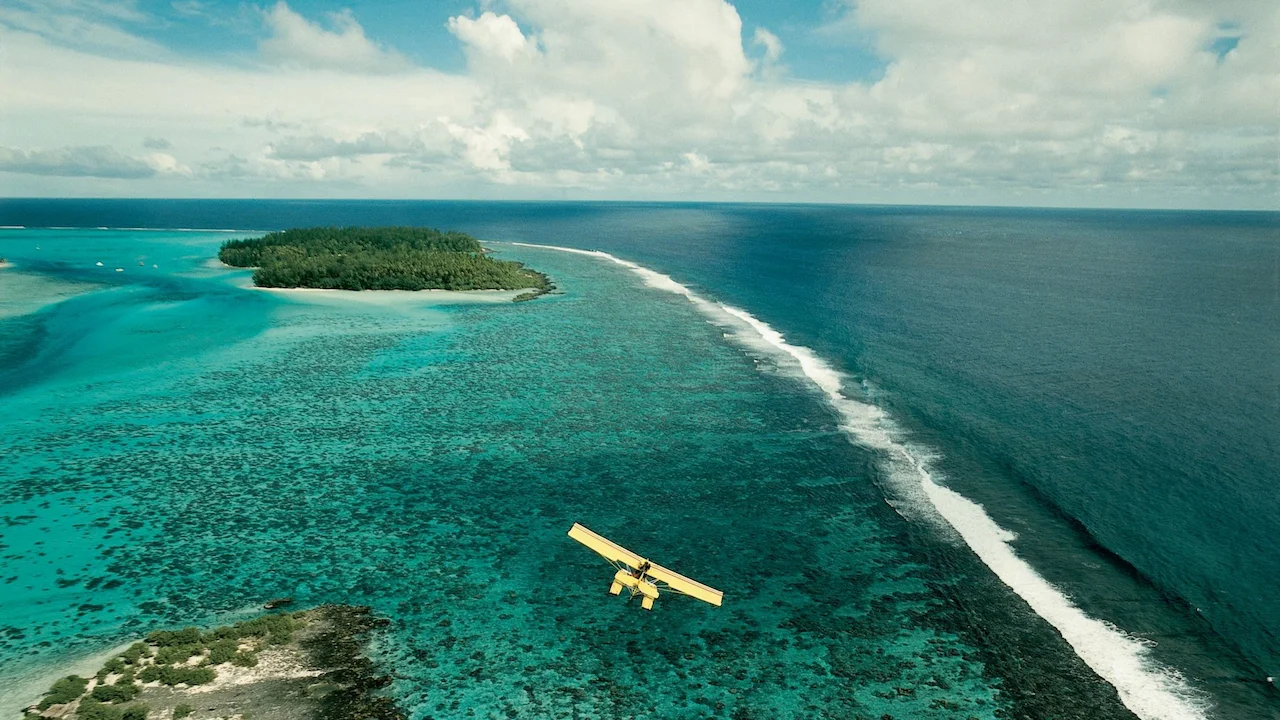
- Do not stand on, break-off or take coral. Not even a little piece. No. Nope. Nada. The ecosystem of our coral reefs has been pummeled by both overzealous and unenlightened tourists, discarded plastics, and global warming. Live coral is extremely fragile. Help Hawai'i preserve its precious and unique resources.
- Use only ‘reef safe’ sun protection. That’s a law! For more information, visit Hanama Bay State Park.
- Single-use plastics, including straws, spoons, knives, and forks, are forbidden. Polystyrene (foam) food containers and plastic bags have been banned since the beginning of 2021. Local and chain stores carry bamboo or biodegradable plasticware and offer paper bags for carry-out only.
Don't take these items as you leave Hawai‘i
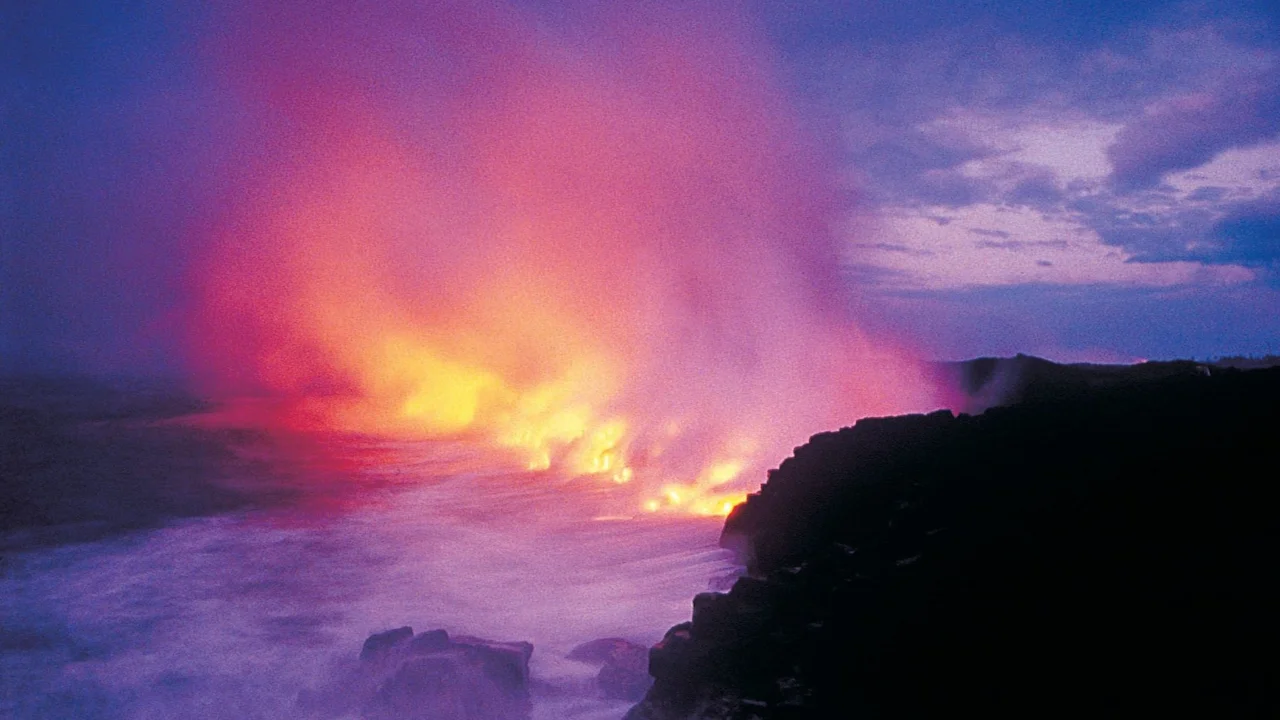
Do not, repeat… Do NOT try to bring lava rocks back home with you (or to your hotel room, car, backpack, etc.) Not only is it incredibly illegal, but you stand a chance of insulting the Goddess Pele. I’m not making this up! Many tourists have sent back coral to various departments, hotels, and cultural entities, begging them to return it to the sea to end the bad luck they were experiencing since returning from the islands.
Sand of any color (including black, green, or red). Again, incredibly illegal… and rightly so. The rare colored sands of Hawai'i are a prime target for both tourist and commercial operations. Hawai'i is taking a stand before it becomes completely depleted.
Of course, this does not include sandy shoes, feet, towels, etc. But don’t package it up for a souvenir. Even a teaspoon purposefully brought on board is subject to fines so large that your dream vacation will become your worst nightmare.
According to the US Department of Agriculture, here are a few more items:
- Berries of any kind, including coffee and coffee-related materials
- Improperly stored fish, meats, or certain perishables
- Certain plants, such as bromide, cacti, and soil
- Live insects and snails
- Sugarcane
- Swamp cabbage
- Raw sweet potato
- Mock orange
- (See USDA list for more)
IMPORTANT NOTE: This USDA provides the most comprehensive list; however, they incorrectly list ‘sand’ as allowed. This is definitely not true. They may have no restrictions, but due to the disappearing shoreline, and rampant popularity of our colored sands, the State of Hawai’i has imposed large fines for any purposeful removal of sand (meaning you don’t need to panic over sand on your shoes, but that little container you meant to keep as a memento might just cost you a few hundred thousand dollars). Here is a great article to explain why.
...but you can do this!
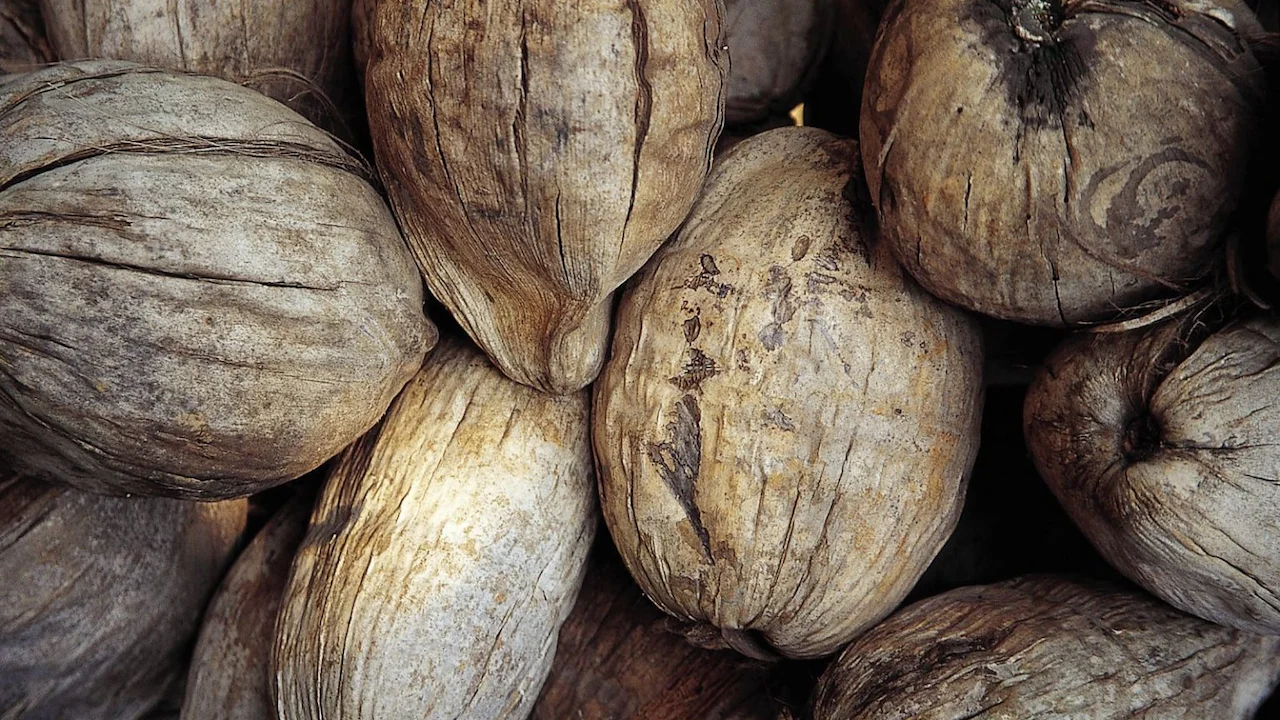
Allowable items (with restrictions)
- Coconut
- Coffee: Travelers are permitted to bring back unlimited quantities of roasted coffee or green (unroasted) coffee beans without restriction through any continental U.S. port of entry.
- Commercially canned or processed foods, including processed fruits and vegetables
- Accepted processing methods include cooking, drying, or freezing. If freezing, all fruits must be frozen solid at the time of inspection. Frozen mango must be without seeds.
- Dried seeds and decorative arrangements
- Fresh flowers, leis, and foliage, except any citrus or citrus-related flowers, leaves, or other plant parts, as well as jade vine or Mauna Loa
- Hinahina (Spanish moss)
- Irish or white potatoes
- Fresh pineapple
- Treated fruit, such as papaya, abiu, atemoya, banana, curry leaf, dragon fruit, longan, lychee, mangosteen, rambutan, starfruit, and sweet potato
- These fruits must be treated at a USDA-approved facility and packed in sealed boxes that are properly marked and stamped.
- Plants and cuttings
- Some states may require rooted plants to be certified by the Hawai’i Department of Agriculture before they may be moved to the U.S. mainland.
- Rocks and stones
- Seashells, not land snail shells
- Seed leis and seed jewelry
- Wood (including driftwood and sticks) and wood roses (dried)
Please note: Although the USDA FAQ sheet listed above includes ‘beach sand’ on their site, this does not diminish the fact that the State of Hawai'i has passed a law making it illegal. So, no sand.
Summary
We hope you find this information on the dos and don’ts for your Hawai’i vacation useful and enlightening.
The Polynesian Cultural Center is a strong supporter of preservation and restoration efforts across our islands. Hawai’i is an eco-center of ocean, island, and volcanic importance. By following these guidelines, we invite you to become a part of the solutions put in place to allow our islands to thrive.