








Hawaiian Legends Every Traveler Should Know

What to Do Should You Meet a “Hawaiian Legend”
A cluster of islands in the middle of the Pacific Ocean is home to enormous green mountains, endemic wildlife, sea creatures, and a deep-rooted culture. Known for welcoming millions of tourists every year and being a dream destination for surfers, this is what most people think of when they hear the name Hawaiʻi. However, there is so much more to learn about these islands.
Most people know very little about local Hawaiian legends and myths. Hawaiians have always felt a deep connection to the ʻāina (land), and they believed in gods and goddesses. They told stories to explain why things were as they were and how things came to be. Here are three legends and myths important to Hawaiian culture that could enrich your immersive experience:
Pele, the Volcano Goddess
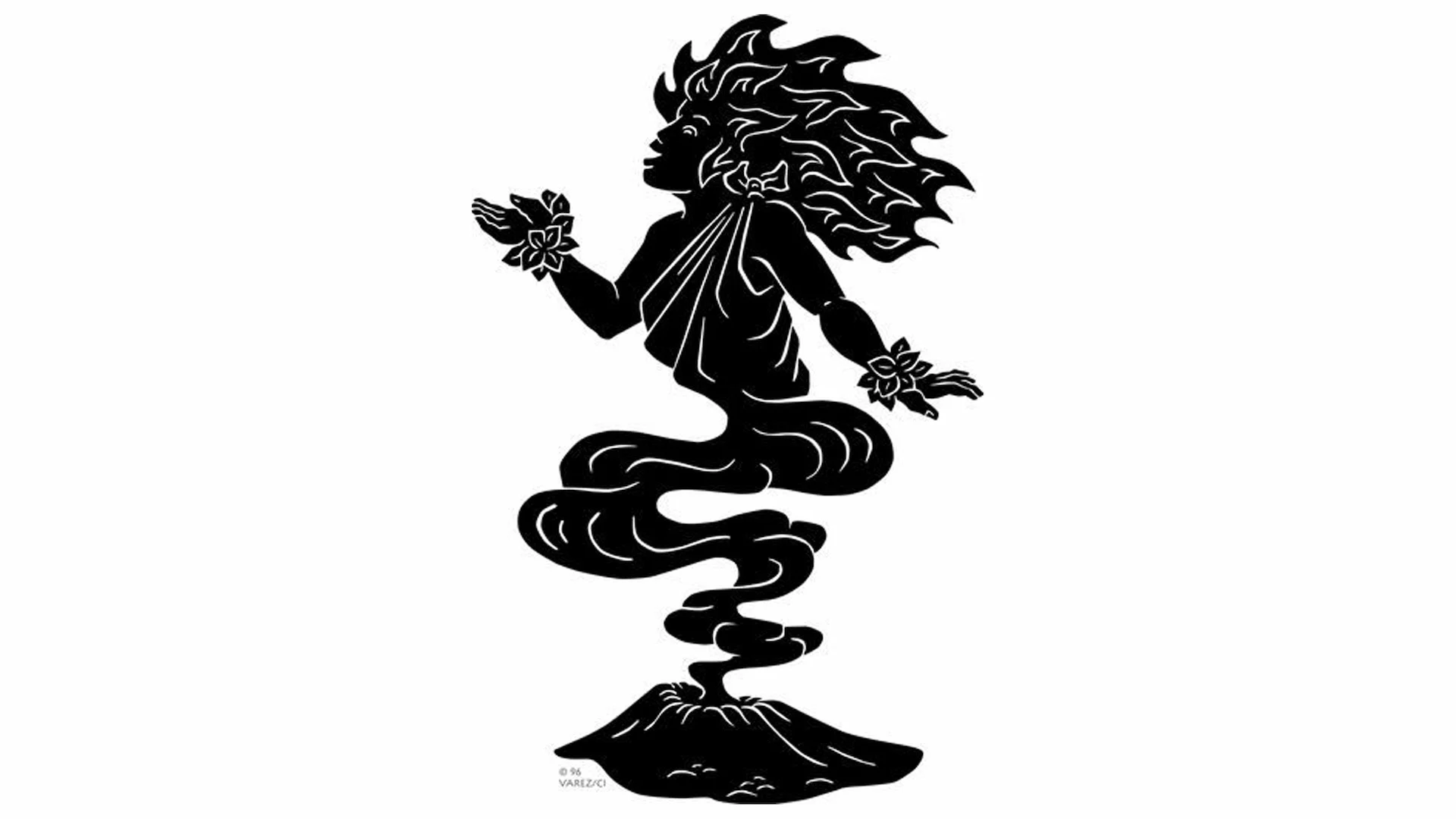
One of the most famous goddesses of Hawaiʻi is Pele, the Queen of Lava and Goddess of fire and volcanoes. There are many stories about Pele and her importance to Hawaiian legends. In order to show respect to her, travelers often visit Halemaʻumaʻu Crater and give offerings of flowers, food, or gin.
Many locals know that if they ever come across a young woman in red or a white-haired older woman, they should greet her with aloha and ask if she needs help. Not doing so could result in bad luck for the person, including death for the whole family. Another legend, known as Pele’s curse, prohibits people from taking rocks and sand from the Hawaiian Islands. If anyone takes them, they may be struck with bad luck until the items are returned. Many Hawaiian legends are meant to protect the land and culture of Hawaiʻi—so leave shells and rocks where you find them!
Never Cross Pali Highway with Pork
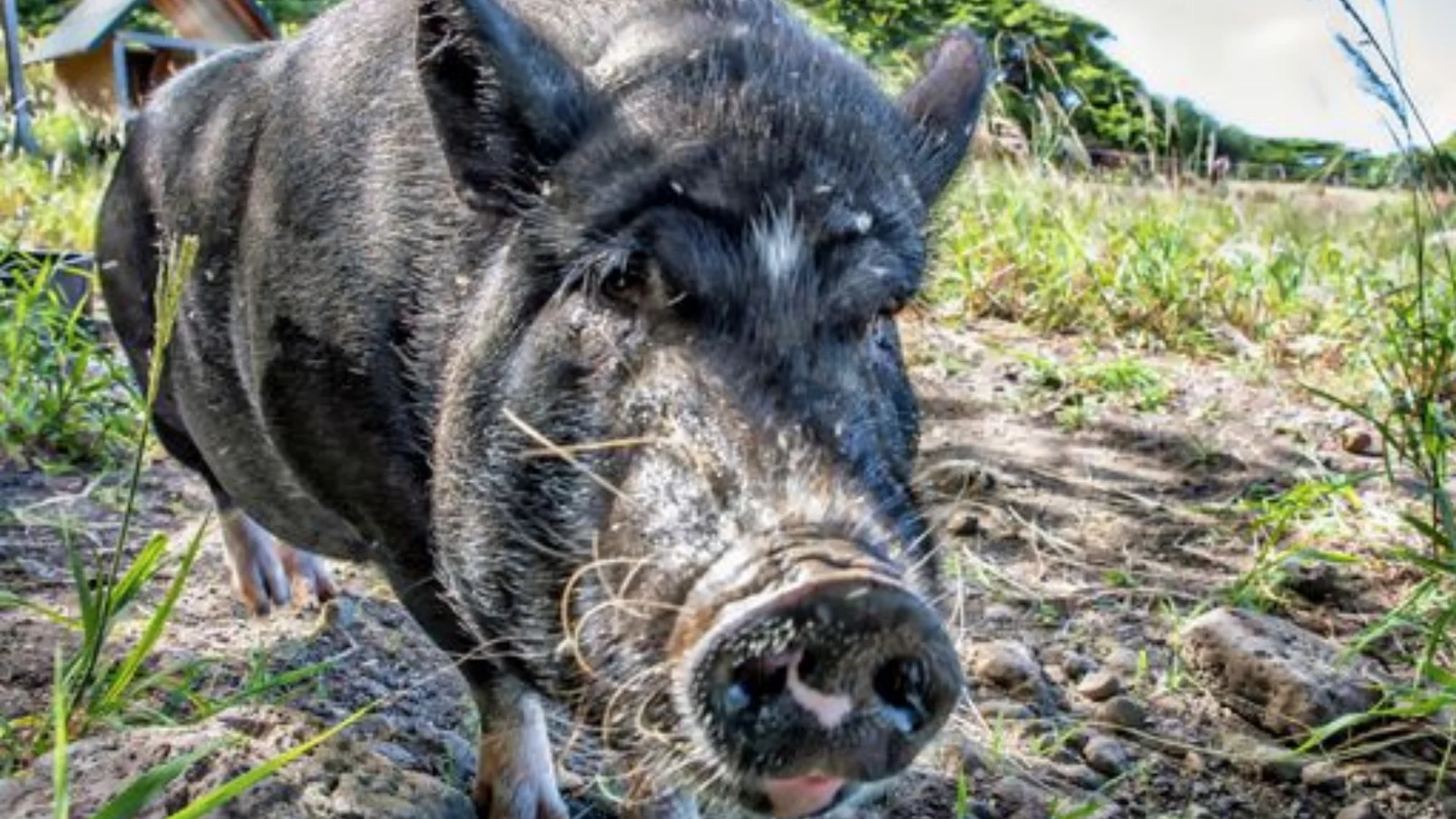
Pele and Kamapuaʻa, a demigod who was half-man and half-pig, were married, but that did not last long. They ended their relationship and agreed to never meet again, dividing the island of Oʻahu in half. Pele took the leeward side and Kamapuaʻa took the windward side.
Legend says that if someone tries to bring pork across the Pali Highway, their car will randomly stop and they will meet an old woman with a dog sent by Pele to maintain the ancient arrangement. To cross the highway, they must feed the pork to the dog. The pork symbolizes Kamapuaʻa and cannot be taken from one side of the island to the other. If you’re attending the Aliʻi Lūʻau at the Polynesian Cultural Center, remember not to bring any pork leftovers to your hotel in Honolulu.
The Legend of the Night Marchers
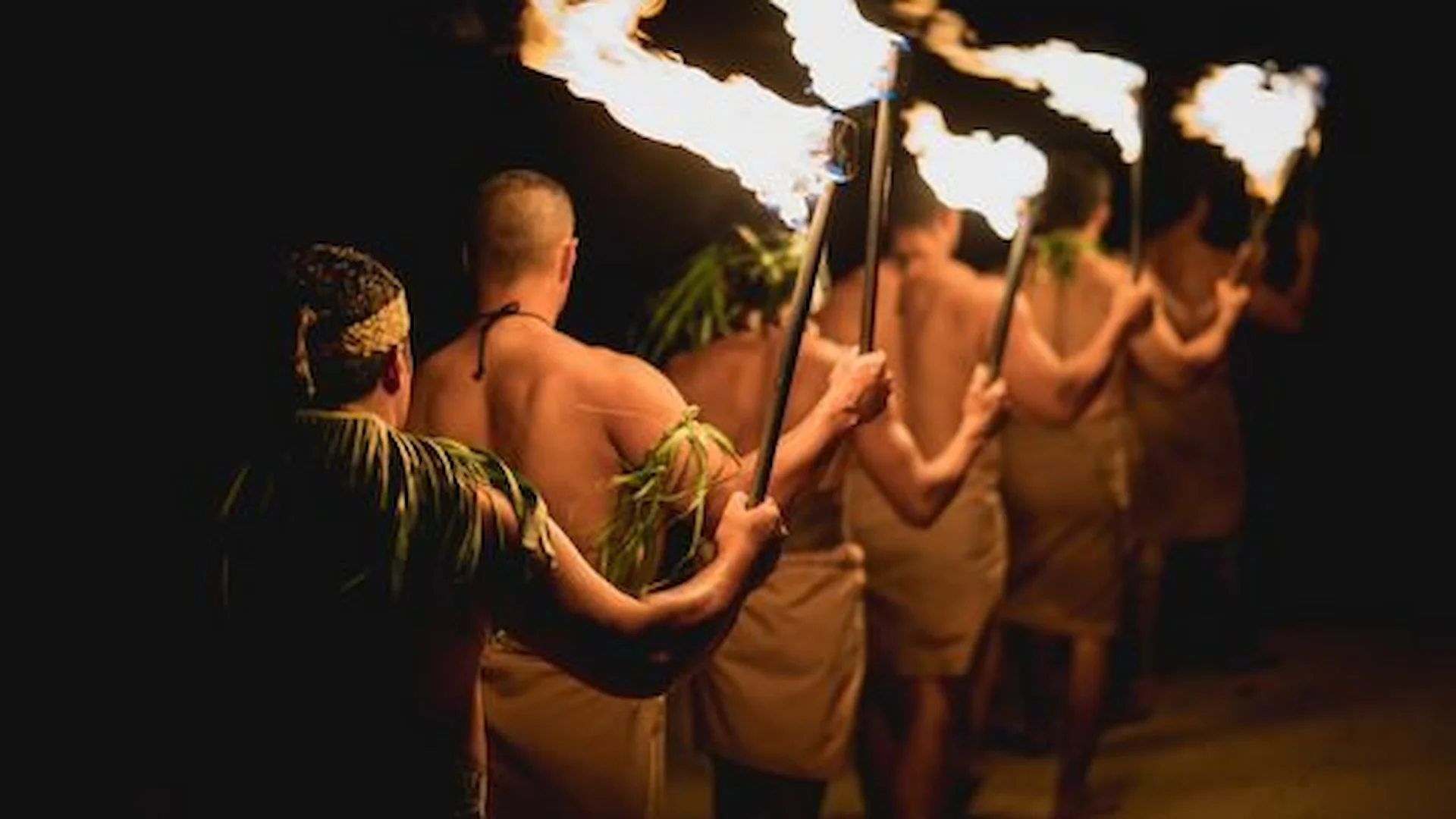
This legend is saved for quiet nights and hushed voices around a campfire. Night Marchers, or the Huakaʻi Pō, are spirits of ancient Hawaiian warriors. A curse was set upon them that forced them to march the islands for the rest of eternity. They march in a single line while carrying torches and other weapons.
If you are ever at the beach late at night and you suddenly get a cold chill and begin to hear distant chants and drums, you must lie face down on the ground. This is a sign of respect and provides you with protection. The legend goes that if you don’t, they may kill you. Keep this in the back of your mind while stargazing at the beach.
Respect the Legends, Respect the Land
Hawaiʻi is a beautiful place recognized for its unique culture and history. Learning more about it can enhance your visit and make it unforgettable. When planning a trip to the islands, remember to always respect the land and its people. We can’t wait to welcome you to our ʻohana!
About the Author
Katie is a 20-year-old student at Brigham Young University–Hawaiʻi. She is currently pursuing a bachelor’s degree in Business Management with an emphasis in marketing. Katie has had her work published in anthologies and school newsletters. She enjoys watching movies, cooking, and spending time with her cat, Kai.