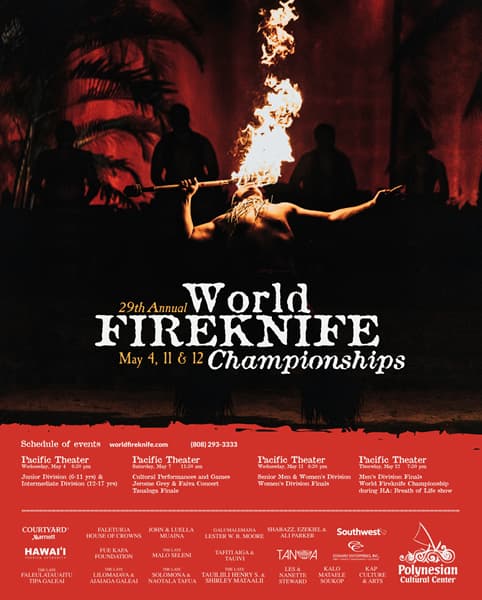







Jeri Galea‘i: Dancing with Fire
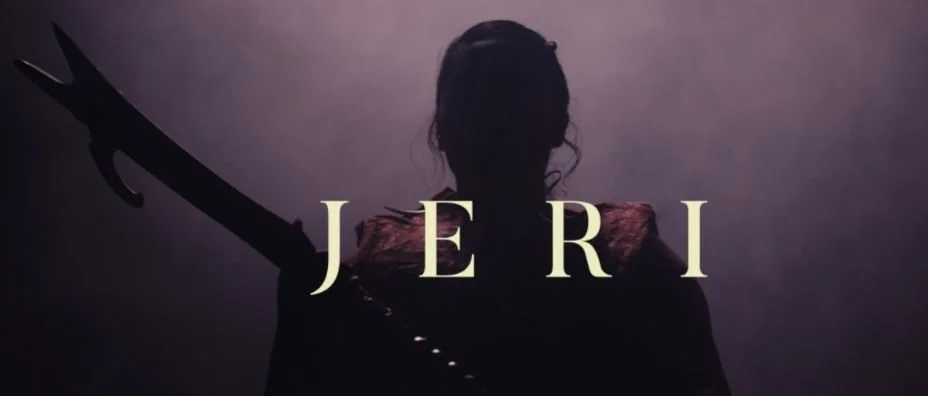
The Galeaʻi (pronounced Nga'-lay–ah-ee) family is a fireknife dynasty. If you’re born into the Galeaʻi family, you have no choice — you’re going to fireknife dance.
Tagaloatoaoa Delsa Moe, from JERI, Episode 1
Jeri Galea‘i: Introduction
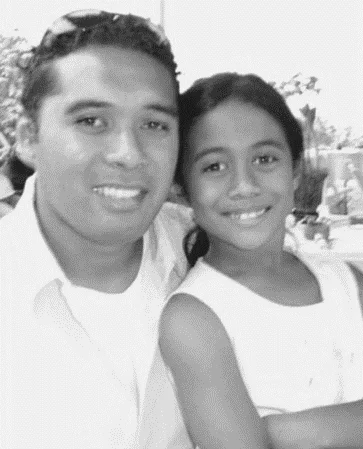
I’ve watched Jeralee (Jeri) Galea‘i since she was a 12-year-old girl trying to break into the male-dominated sport of fireknife dancing. Through the years, I’ve become a great fan, watching her skill and confidence grow. Clearly, this is a woman of dedication. The number of hours spent practicing is almost unimaginable, but her passion for family, her fellow competitors, and the artistry of the dance shines through.
At the base of it all is her father, David Galea‘i. Talking to either of them reveals a deep respect and bond that would be the envy of any family. It’s a beautiful story filled with sacrifice, grit, and love—all captured in JERI, a documentary by Tay Steele, produced by the Polynesian Cultural Center. The film was featured at the We Are Samoa event sponsored by the Center.
What Exactly Is Fireknife Dancing?
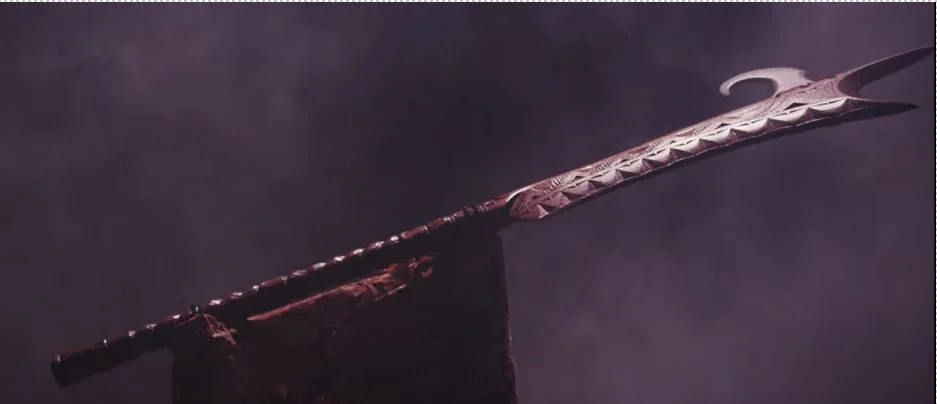
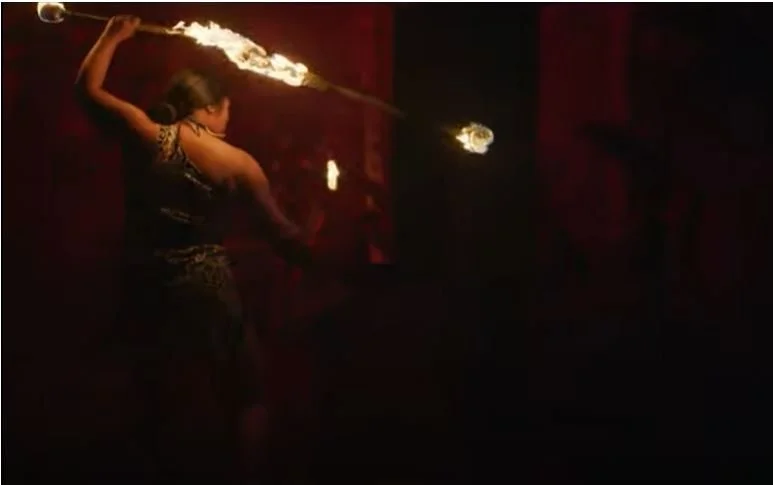
This modern artistic interpretation of ancient Samoan warfare begins with a knife called a nifo ‘oti. Originally performed as a display of victory (without fire), flames were later added to enhance the movements and elevate the performance’s intensity and skill level.
Are the competitors dancing, or is it the knife itself that dances? Perhaps both. The dancer and the knife move in perfect rhythm—spins, kicks, and agile flips so graceful yet powerful that it takes a moment to realize what’s happening. Wait, did that blazing knife just leap ten feet into the air? Did I just see three flaming knives spinning overhead, hooked together? For someone new to the sport, it’s breathtaking to realize the immense talent it requires—just to avoid losing a finger or toe!
2019 Women’s World Fireknife Champion
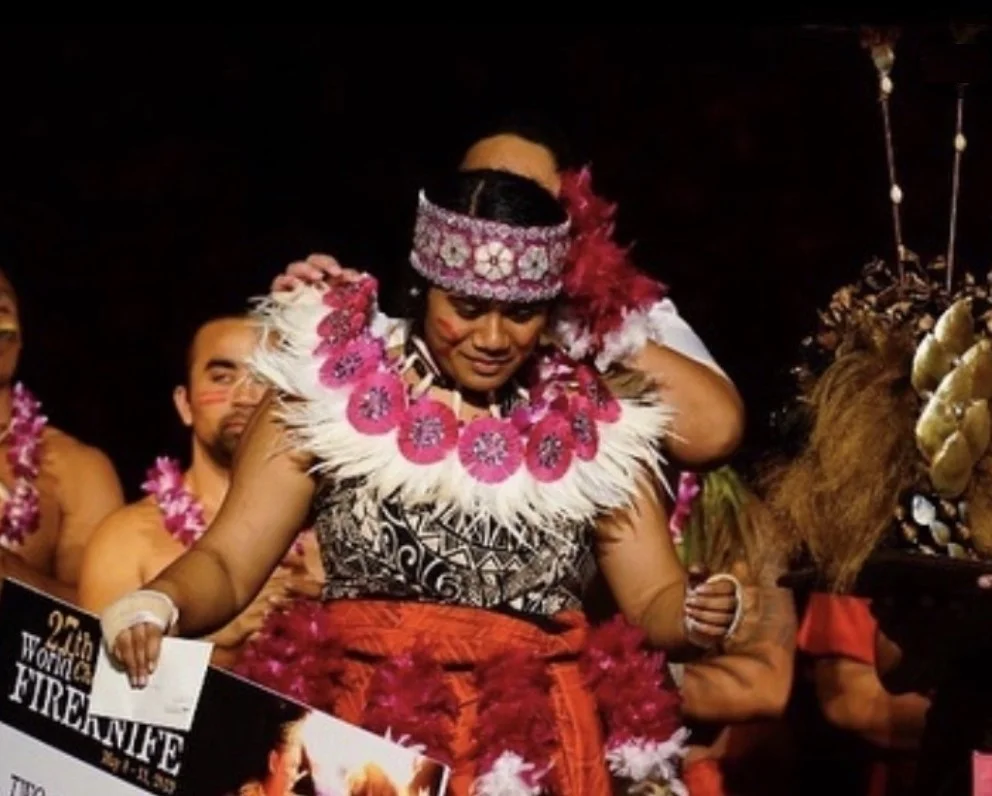
Jeri Galea‘i became the reigning queen of the competition when she earned the title of Women’s Champion during the 2019 World Fireknife Competition. Three years later, at age 21, she had just completed her final exams at Brigham Young University–Hawaii when we met. Free from school obligations, she was looking forward to a bit of travel.
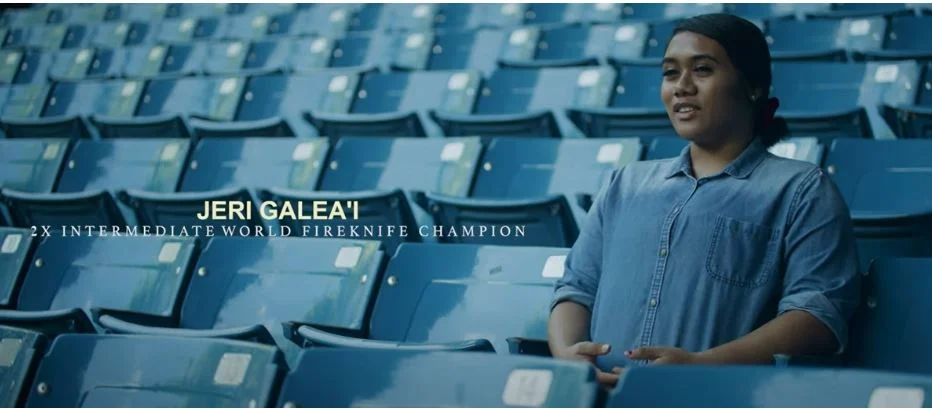
Before that, however, she would attend the 29th Annual World Fireknife Competition—not as a competitor for the first time since she was 12, but as the star of “JERI,” a three-part documentary showcasing her journey. The Polynesian Cultural Center proudly celebrates her humility, strength, and artistry.
I didn’t even have to teach her much to get those basics down. I saw her spin. It was a natural spin. I knew that if I didn’t throw her in the fire and start training her at that time, then I was going to miss out on the opportunity.

Interview with Jeri Galea‘i
Growing Up in a Fireknife Family
Nina: What’s it like coming from a family where fireknife dancing is expected? Did you always plan to do it?
Jeri: At one point, I didn’t really think I’d do fireknife. But when I moved here from the Cook Islands at age five, my dad was teaching my older cousins, and I started to pick it up. He saw potential in me. That’s when he started helping me develop my craft—and I grew to love it.
It makes me proud to come from a family that does fireknife. It makes me want to continue the tradition for the next generation.
Being in a Documentary
Nina: What was it like having a movie made about you?
Jeri: I was so grateful for the opportunity. I’d never been involved in something like that—it took about a year, off and on. Watching it makes me proud and thankful to Tay Steele, the videographer. He’s very talented.
Injuries and Challenges
Nina: Did you have many injuries when you started?
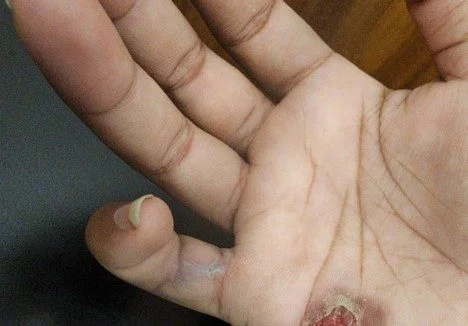
Jeri: Still to this day, I get burns and injuries. Just last week, I burned myself. My pinky won’t straighten—the blade cut it badly. It’s my worst injury so far. Cuts and burns are normal in this sport.
Memorable Moments
Nina: Any experiences that stand out?
Jeri: I first performed at 11 years old with my cousins at Lāʻie Park. I burned my hair—it was scary but fun! The first time I competed, my knife broke mid-routine. I was embarrassed, but I learned that anything can happen on stage. Once, a guy performing at the lūʻau threw his knife, and it flew into the lagoon! He just bowed and walked off.
I’ve been competing my whole life. I’m taking a break now and thinking of moving to Utah or visiting my grandparents in the Cook Islands.
Competing as a Woman
Nina: Was it difficult competing against the men?
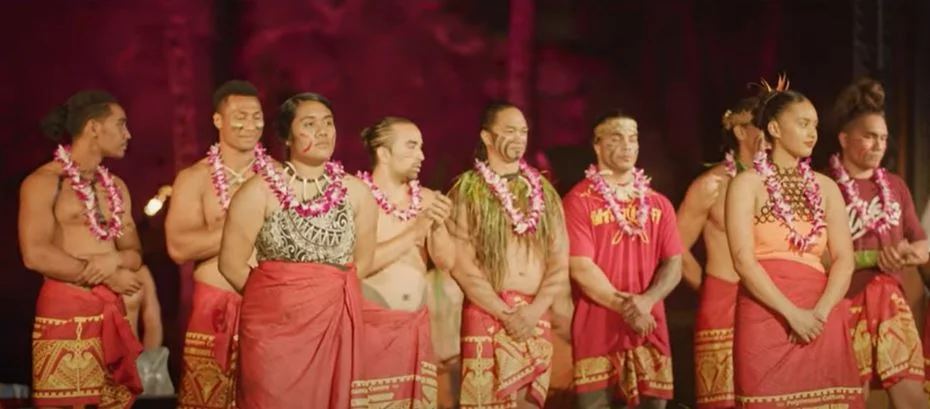
Jeri: When I first competed, I was just trying to gain experience. It was intimidating, not harder—just different. Mostly men compete, and I wanted to prove myself. I always had fun, but I also wanted to win and make a name for myself.
The Hardest Part
Nina: What’s the hardest part of fireknife competition?
Jeri: It’s not spinning the knife—it’s handling the adrenaline and pressure. When you go on stage, your heart races, and it can throw you off. I still get nervous, but with experience, you learn to manage it.
I always tell the kids I teach, “Stay humble no matter what level you’re at.” That will keep you grounded and willing to learn. My dad taught me that—he’s a very humble man.
Supporting Each Other
Nina: The competitors seem so supportive of each other, even when they don’t win.
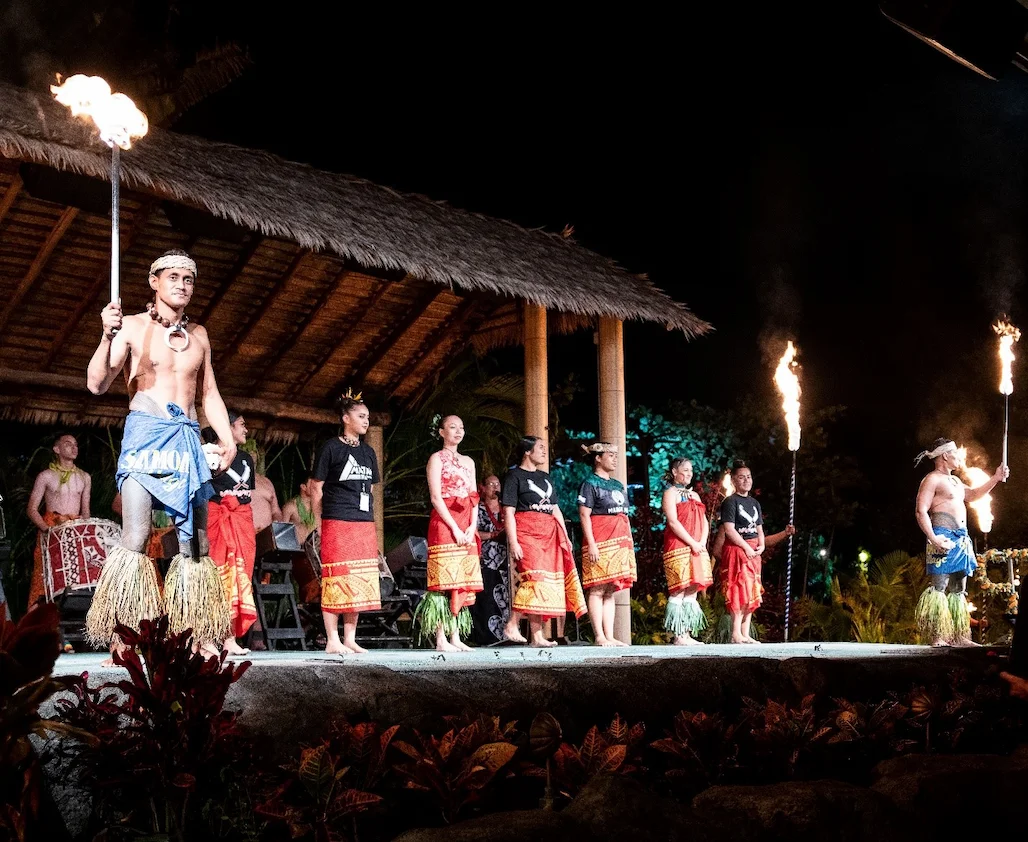
Jeri: We all come from different fireknife schools and places, but once we’re off stage, we’re family. Everyone supports each other—it’s a beautiful part of our culture.
JERI – The Documentary
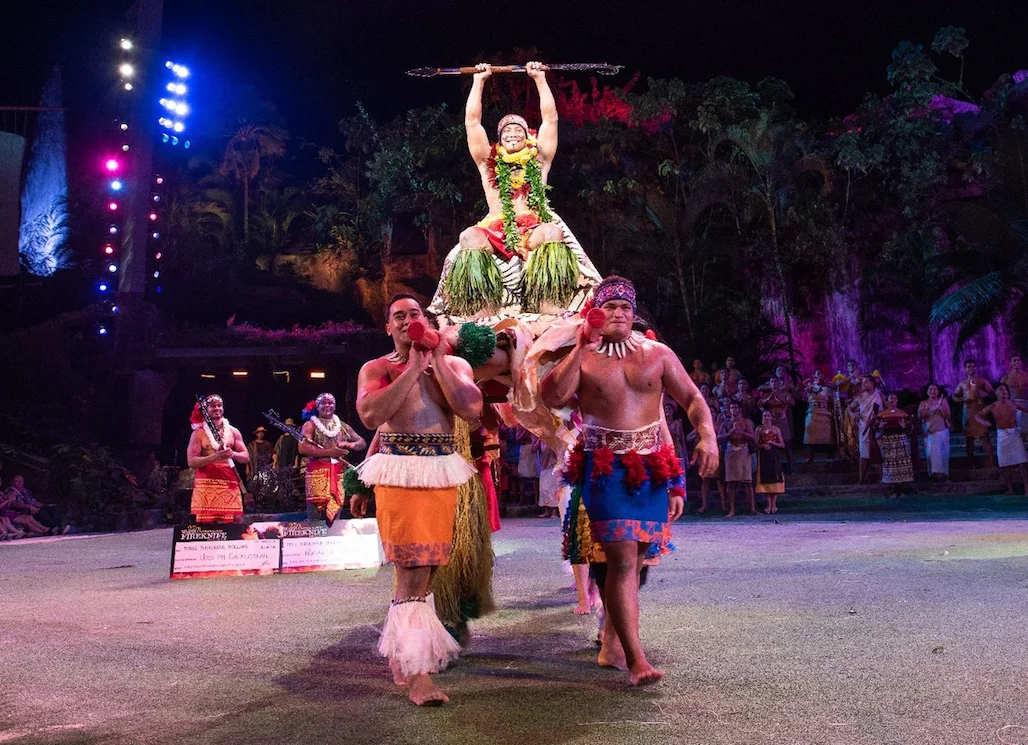
To learn more about Jeri’s inspiring story, watch the three-part documentary JERI on our YouTube channel. For a more immersive experience, attend the We Are Samoa event featuring a special screening during the World Fireknife festivities at the Polynesian Cultural Center.
Want to experience the thrill of fireknife dancing yourself? Tickets are now available for this year’s World Fireknife Competition.