








Like the Māori: Thin the Veil Between You and Your Ancestors
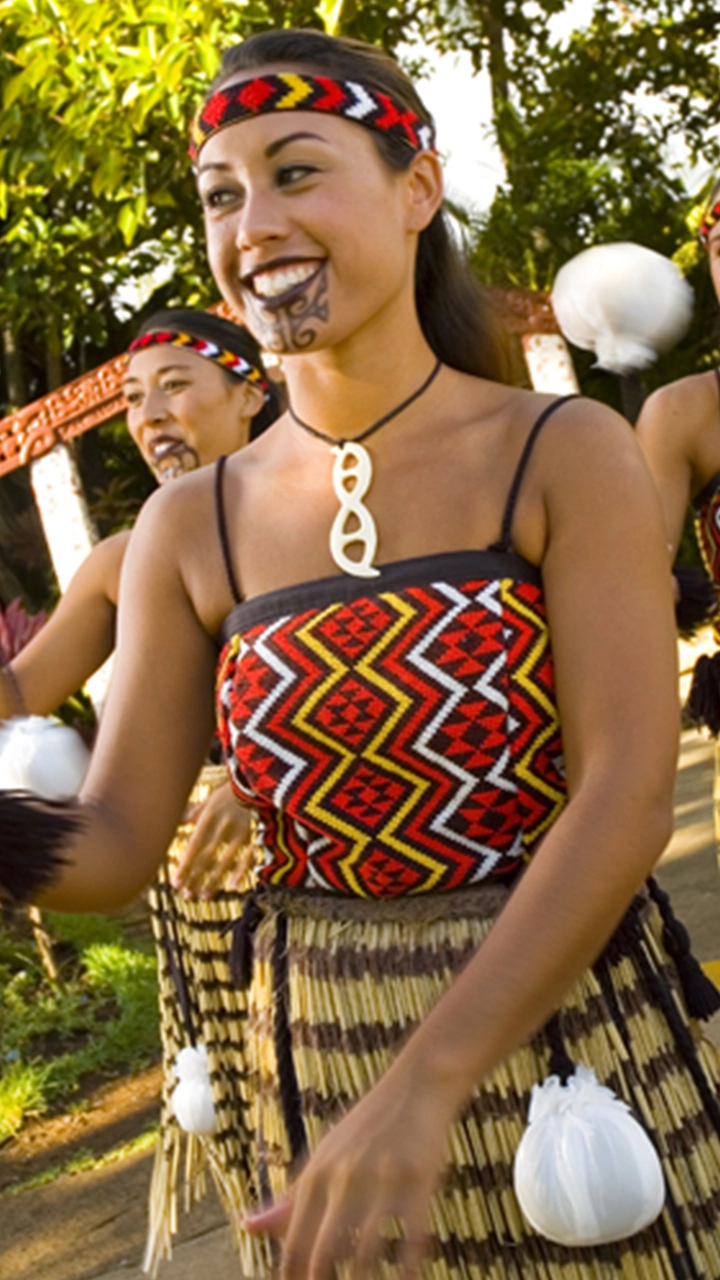
Last week, I visited the Polynesian Cultural Center’s Māori village. I wanted to learn more about the taiaha (Māori weapon) and its significance to Maori culture.
After learning from the natives, I joined the tourists in watching their cultural presentation. Just like every other time that I have watched this show, it was exceptional.
From the singing, chanting, storytelling, and the acknowledging of ancestors and military veterans, I felt enthused.
I was particularly moved by the spirit of their performance through one of the female performers. Though she was physically small, the fierceness of her performance was inspiring and powerful. Whether she was in the front row or in the back row, she gave it her all.
She is totally Māori.
After being deeply impressed by the enthralling cultural presentation, I returned home and watched YouTube videos and documentaries about Māori culture for hours. I kept asking myself: What is the key element of their culture that fuels such a captivating performance? In my opinion, it is the sacred devotion and spiritual relationship they embrace with their ancestors. In the eyes of the Māori people, the veil that separates the living and the deceased is very thin. Therefore, they constantly seek the help of their ancestors for the preservation of their culture and people. Within the Maori culture, the Maori people do not separate themselves from their deceased ancestors.
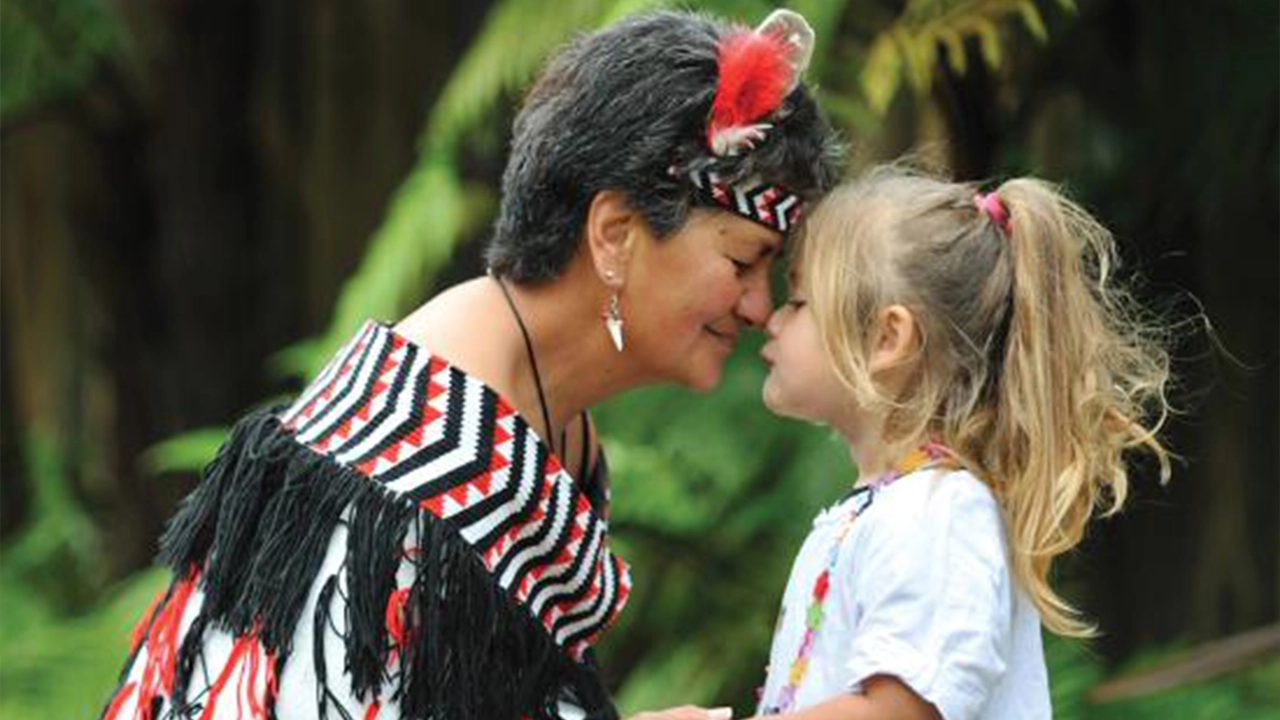
Photo by Tripadvisor
For example, the hongi (formal Māori way of greeting) unites the life of strangers, ancestors, and the natives in peace.
The ta moko (facial tattoo) identifies the wearer’s bloodline and moral values.
The carvings on the head part of a taiaha illustrate a warrior’s tribal affiliations.
The carvings of a marae (a sacred place for cultural ceremonies) portray the stories of the ancestors.
The spirits of their ancestors come to life as the living Māori's continue to live by their cultural beliefs. The Māori people stand proud of their ethnicity and culture because they know they are extensions of their ancestors.
So when you watch a haka done by twenty Māori's and it sounds like the thundering stomps of a thousand people, know that their ancestors are doing the haka with them.
When you walk into a marae and can feel the spirit of their history, know that their ancestors are there.
When you catch yourself wondering if you are capable of being a fierce and inspirational symbol of your own culture like the short Maori girl, know that you can.
You can because you have your own ethnicity, cultural identity, and ancestors that contribute to defining who you are.
So, experiment with the ways of the Māori people by thinning the veil between you and your ancestors. Give them life through your life and feel the essence of your own identity. You can totally be Māori-like.
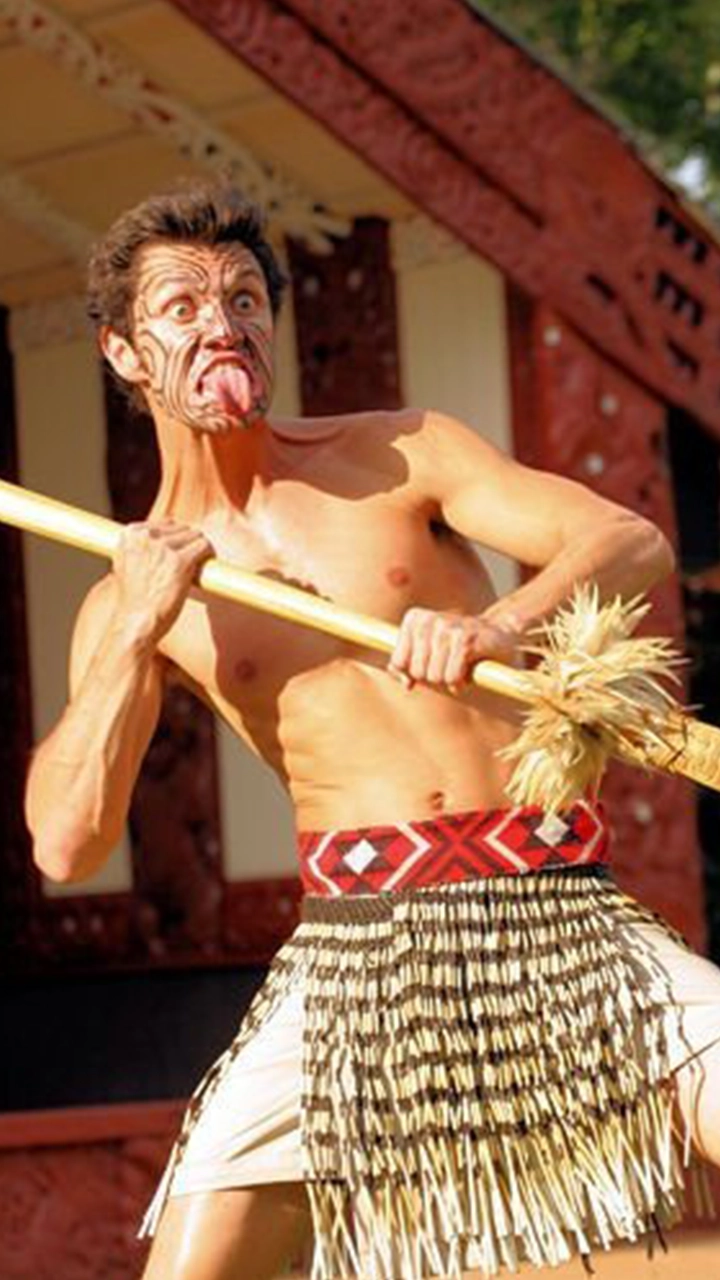
This image shows the ta moko on his face, the taiaha in his hands, the marae behind him, and a fine Māori warrior. This image was taken at the Māori village in the Polynesian Cultural Center.
Here’s a video of some of my non-Māori friends portraying one way of being Maori-like.
Aren’t they awesome?