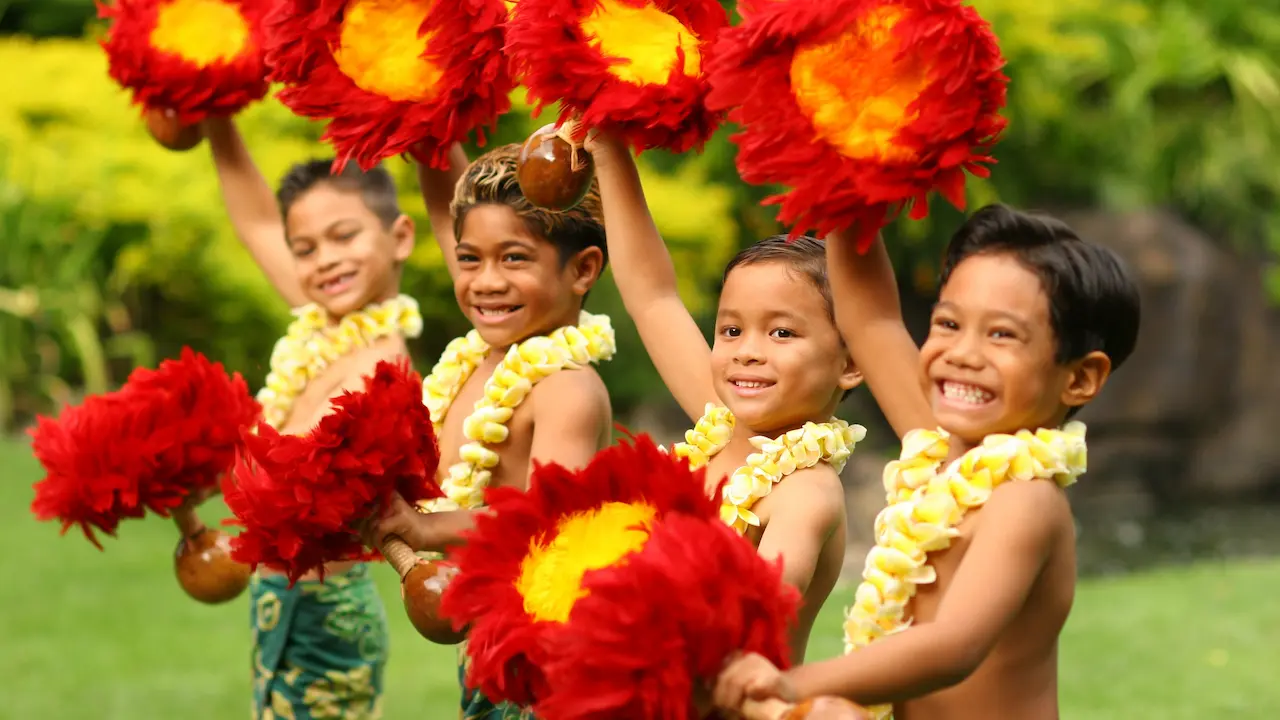







Limu: A Simply Delicious Hawaiian Superfood
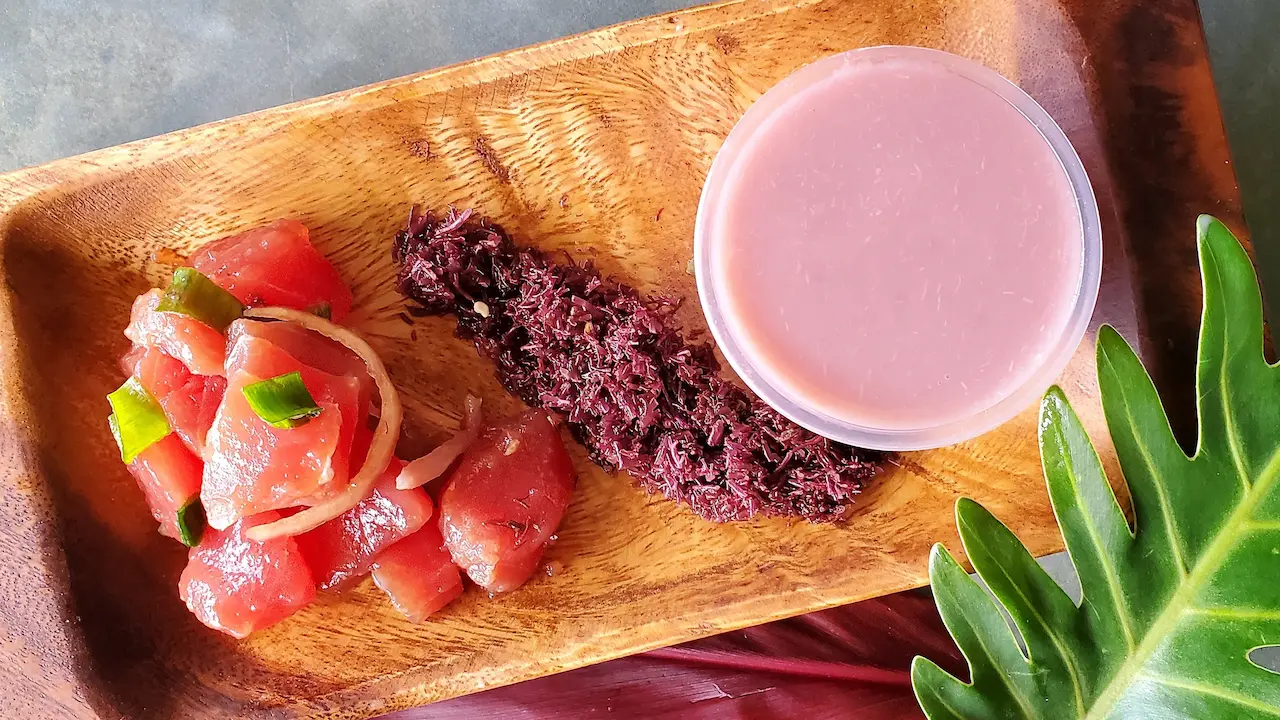
The Polynesian Cultural Center is pleased to provide another in its series of traditional Polynesian dishes. See our other great Polynesian-inspired recipes.
History of Limu in Hawaiian Culture
Limu is part of the amazing superfood triangle of the Hawaiian staples of poke (raw, diced fish), poi, and limu. This combination has been the base for both health and taste for decades throughout the villages of Hawaii. Limu, as legend has it, was discovered and prepared by Hawaiian women during the time of kapu (restrictions imposed on sections of society based on religious and Hawaiian cultural practices) as a means to consume nutritious, unrestricted foods.
The tradition continued long after kapu was discontinued in 1819, and was only recently identified as something the Hawaiians have known for decades: that it is one of the most nutritious forms of food currently available. There are over 600 types of seaweed in existence throughout the islands, with 200 native species, many of which are edible. Each has a different texture, taste, and structure, making limu a remarkable dish with an amazing story that we are proud to share with you.
This recipe was provided by one of our own – Lāʻie’s Kekela Miller.
About Keakela (Aunty Kela) Miller
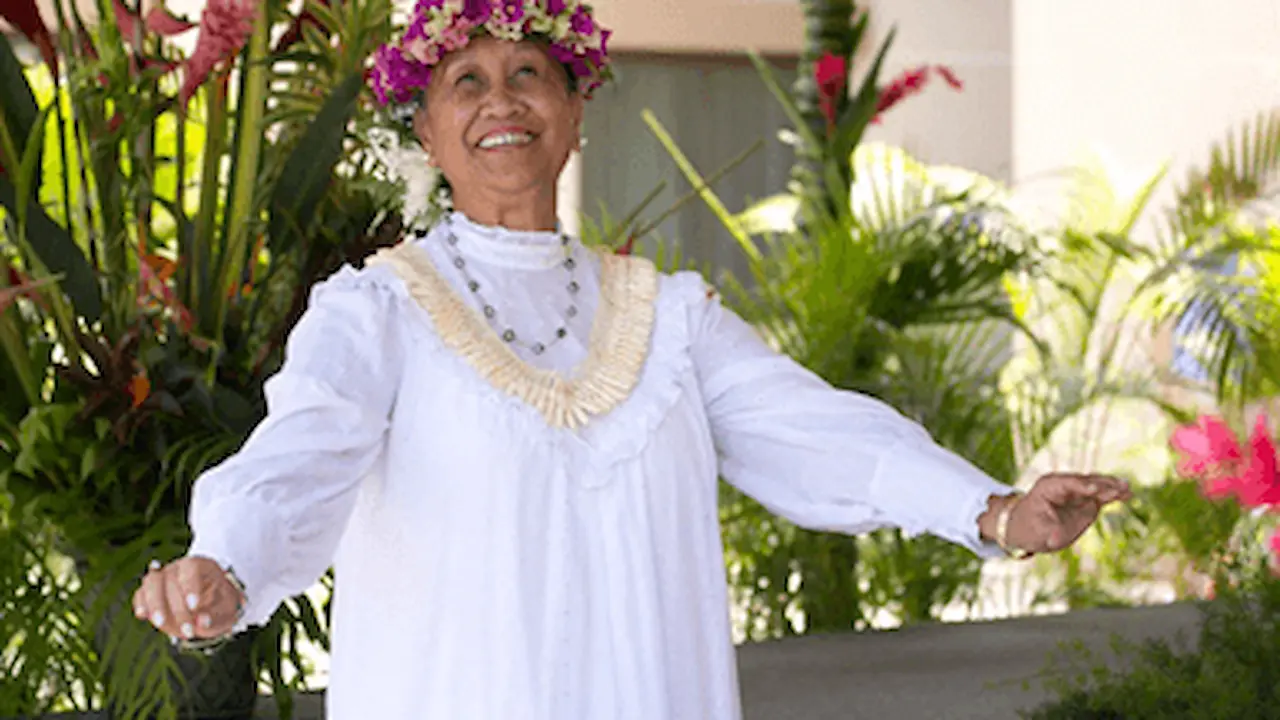
How do you describe a local icon like Keakela (Aunty Kela) Miller? Born and raised in Lāʻie, she reflects all that is beautiful and inspiring about the Hawaiian culture through her expertise not only in the art of hula but also in her command of the art of ʻāina – the essence of Hawaiian living. ʻĀina stands for that which feeds.
Kela feeds her ʻohana (family) through education, her culture through representation, and her faith and heritage through sharing aloha with all she meets.
What Is Limu?
Traditionally used as a seasoning to poke or green salads, as a garnish for stew, or simply as a side dish, limu is known as a superfood. This nutritious plant provides complex carbohydrates and contains Fucoidan (a sulfated polysaccharide), identified for its ability to build your body’s immunity.
There are many kinds of limu. Click here to see a list from the University of Hawaii of some of the most popular strains of edible seaweed. One of the most common is ogo, which resembles delicate branches and is usually red, brown, or green.
While it can be found in ocean waters, it is also farmed in fresh waters. If purchased in stores, it will most likely have a mild flavor. For those who love the strong ocean taste, try kala, shaped rather like miniature Christmas trees, known for its salty flavor preferred by many locals.
Limu Recipe
Ingredients
- ½ pound of washed and air-dried fresh seaweed
- ʻInamona to taste (purchase at a store or follow the recipe below)
Directions
The secret, besides finding the freshest seaweed possible, is to fully chop both the seaweed and the nuts. It takes patience to make sure that the pieces are small and even, but the result is extremely satisfying.
Step One
Using a clean, sharp knife, cut the seaweed on a large cutting board until it is finely chopped. Take your time as you cut in even motions.
Step Two
Take a pinch of ʻinamona and sprinkle it over the seaweed. Repeat, tasting often. The seaweed should be salty but not overpowering. Mix carefully but thoroughly with a fork. Notice how fine both the seaweed and the nuts are chopped.
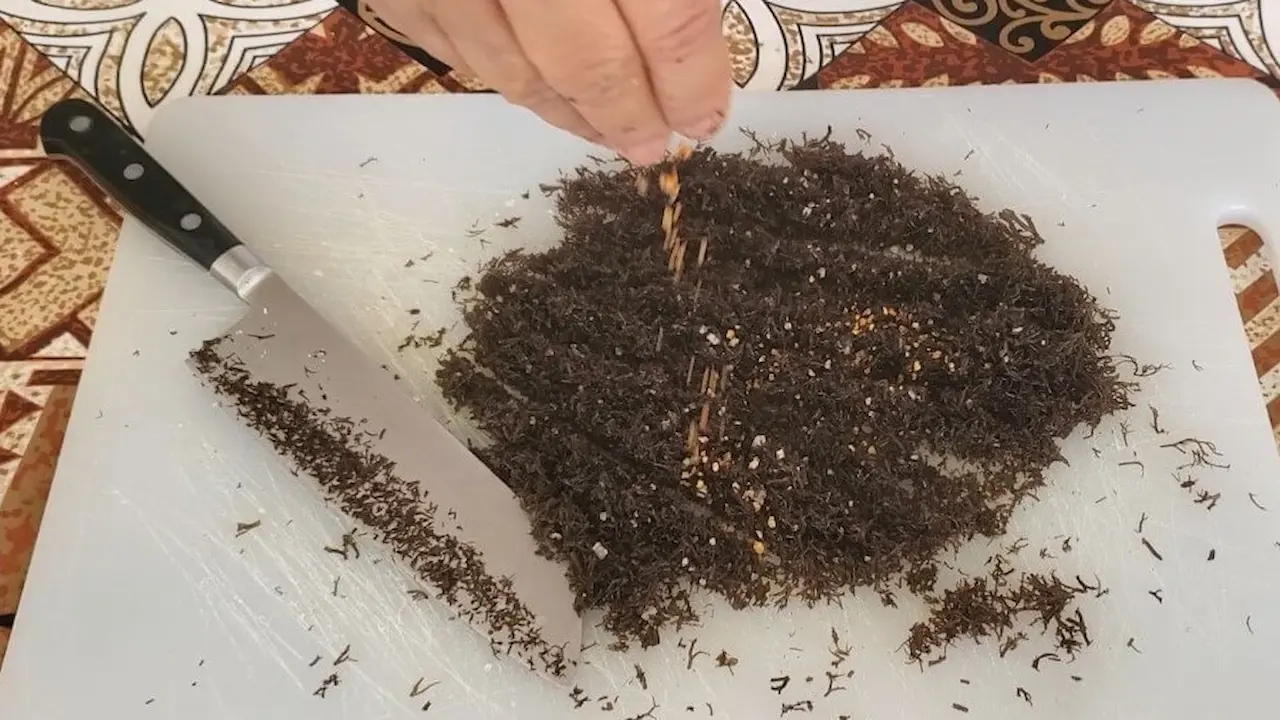
How to make ʻInamona (Roasted and Seasoned Kukui Nut Topping)
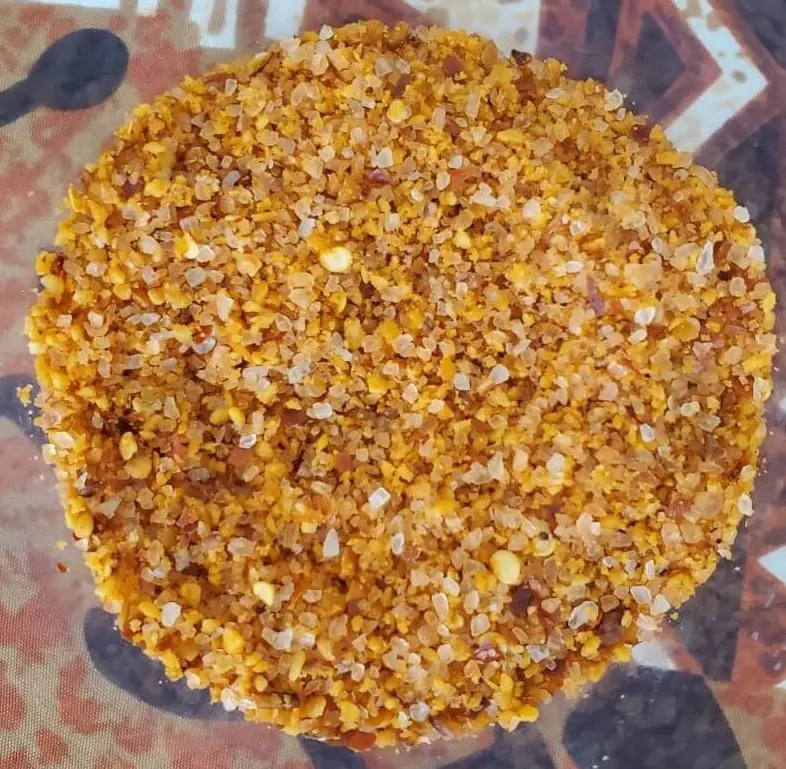
Purchase fresh, whole kukui nuts. Break nuts into kernels and roast them at 325°F until golden brown (about 90 minutes). Test by cracking one nut — if it is dark brown inside, it is ready. Cool thoroughly and then scrape out the nutmeat. Chop finely and salt to taste. Add dried chili pepper if desired. Kukui nuts are oily, so roasting enhances their flavor. Properly stored, it should last at least two years.
About the Polynesian Cultural Center
The Polynesian Cultural Center is a 42-acre adventure set on the beautiful island of Oʻahu in Hawaiʻi. Dedicated to preserving and protecting the cultures of the Pacific islands, the Center offers hands-on activities, an outdoor luau with live entertainment, and the award-winning HĀ: Breath of Life evening show, featuring over 100 performers, including heart-pounding fireknife dancers, special effects, and an erupting volcano.