








What Does Mahalo Mean? The Hawaiian Word for Gratitude and the Spirit Behind It
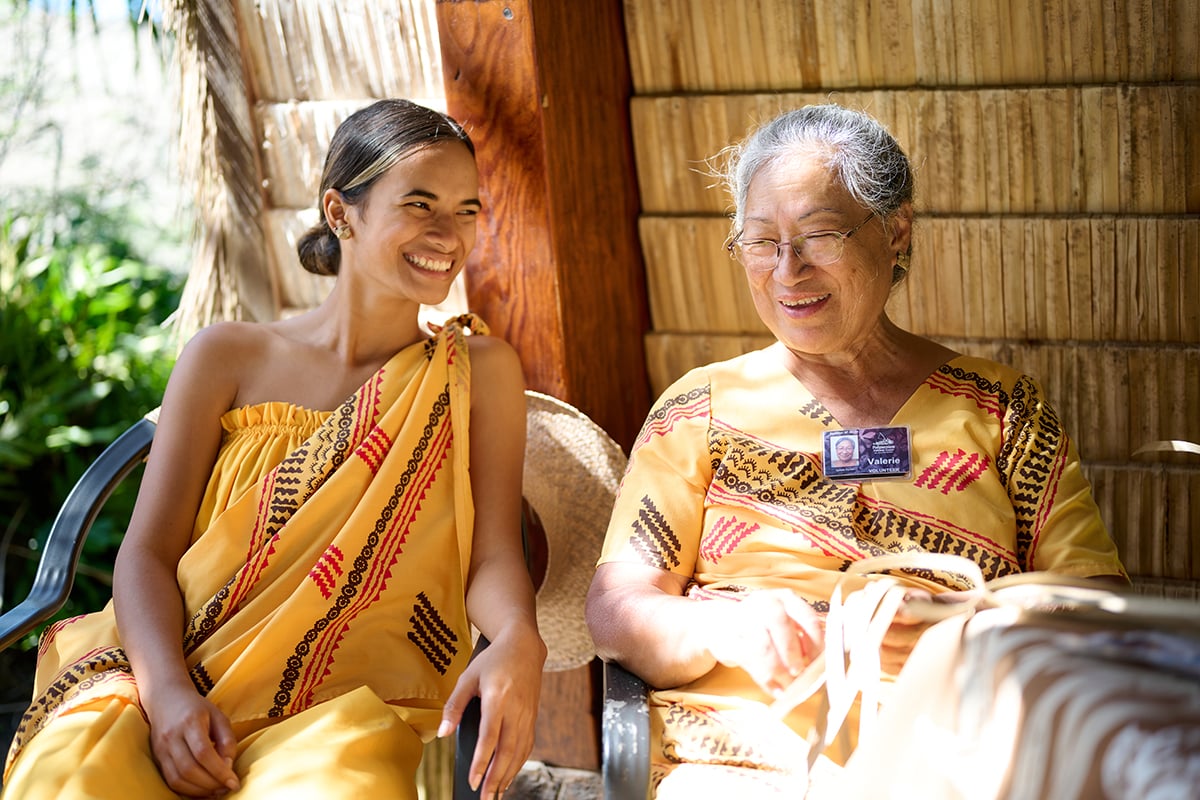
Mahalo - you'll hear it everywhere in Hawaiʻi. On signs, from strangers, from staff as you leave a restaurant. Most visitors learn quickly that it means "thank you." But if you stop there, you've only scratched the surface.
To the people of Hawai’i, mahalo isn't just a polite word exchanged after a kind gesture. It's a way of living, a deep, practiced thankfulness for the abundance of life itself. It's the difference between saying "thank you" and truly meaning it, in every moment, every day.
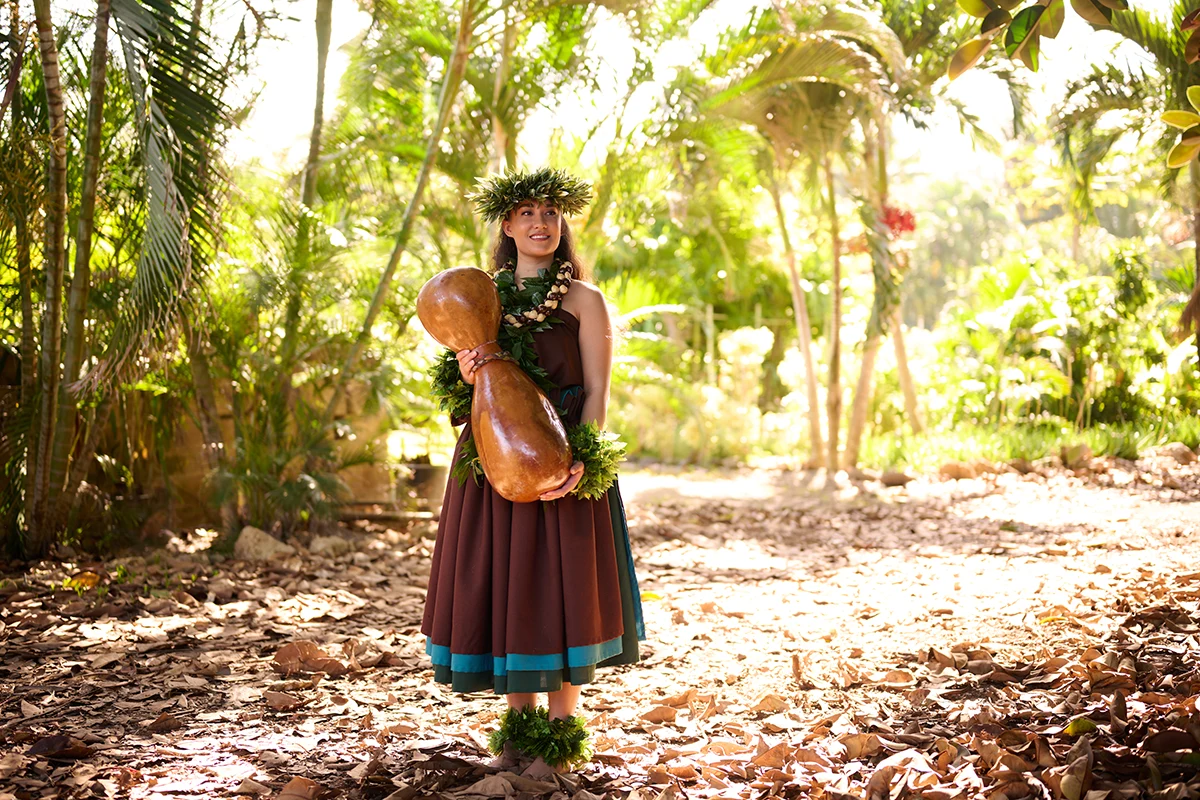
The Meaning Behind the Word
At its fullest, mahalo means to live in active gratitude, to recognize and honor the blessings around you, from the land and sea to the people in your life.
This is why mahalo feels different when you hear it in Hawaiʻi. It carries weight. When someone says it to you, they aren't just being polite. They're expressing something genuine.
This spirit of gratitude isn't unique to Hawaiʻi, either. Across the Pacific, in Samoa, Tonga, Aotearoa (New Zealand), Tahiti, and Fiji, you'll find the same deep current of thankfulness woven into daily life. It's one of the defining qualities of Polynesian culture as a whole.
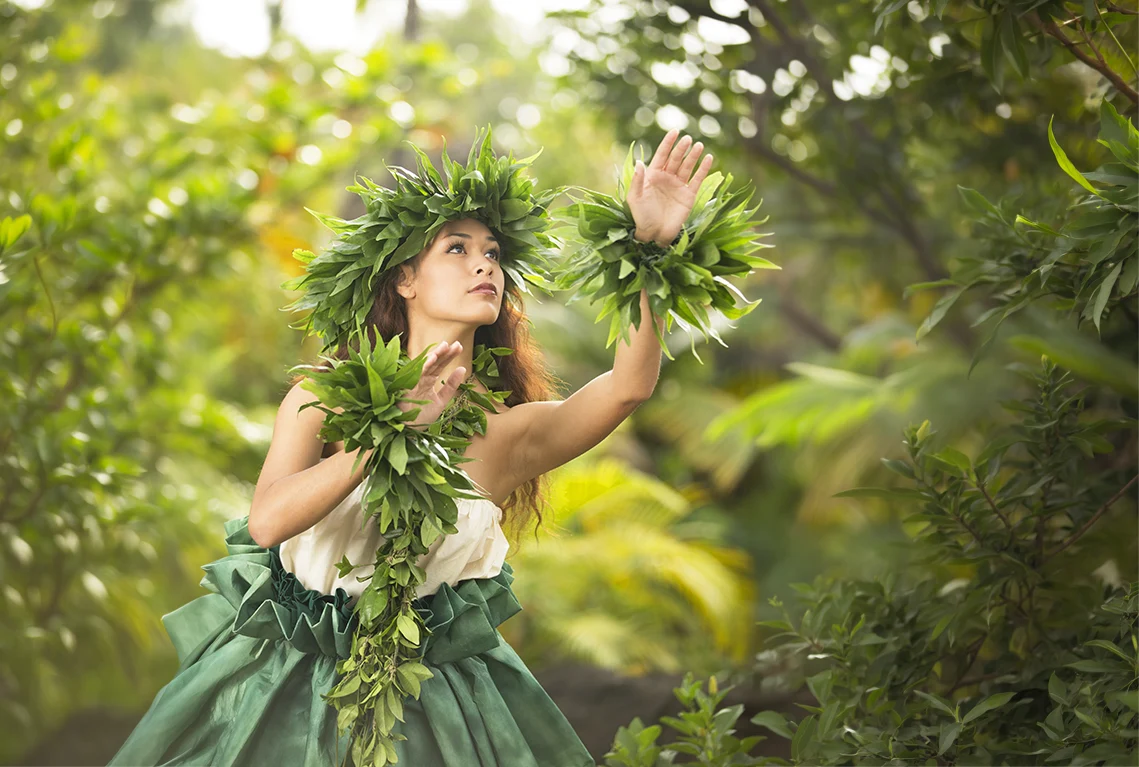
Seeing Mahalo in Action
There's no better place to witness this spirit firsthand than at the Polynesian Cultural Center in Lāʻie, on the beautiful North Shore of Oʻahu.
The Center is home to living representations of six Polynesian cultures, where you can watch master artisans at work, try traditional activities like fire-making in the Samoa village, and experience the music, dance, and storytelling that have been passed down through generations. What strikes most visitors isn't just the performances. It's the warmth. The genuine joy the island villagers bring to sharing their heritage is mahalo made visible.
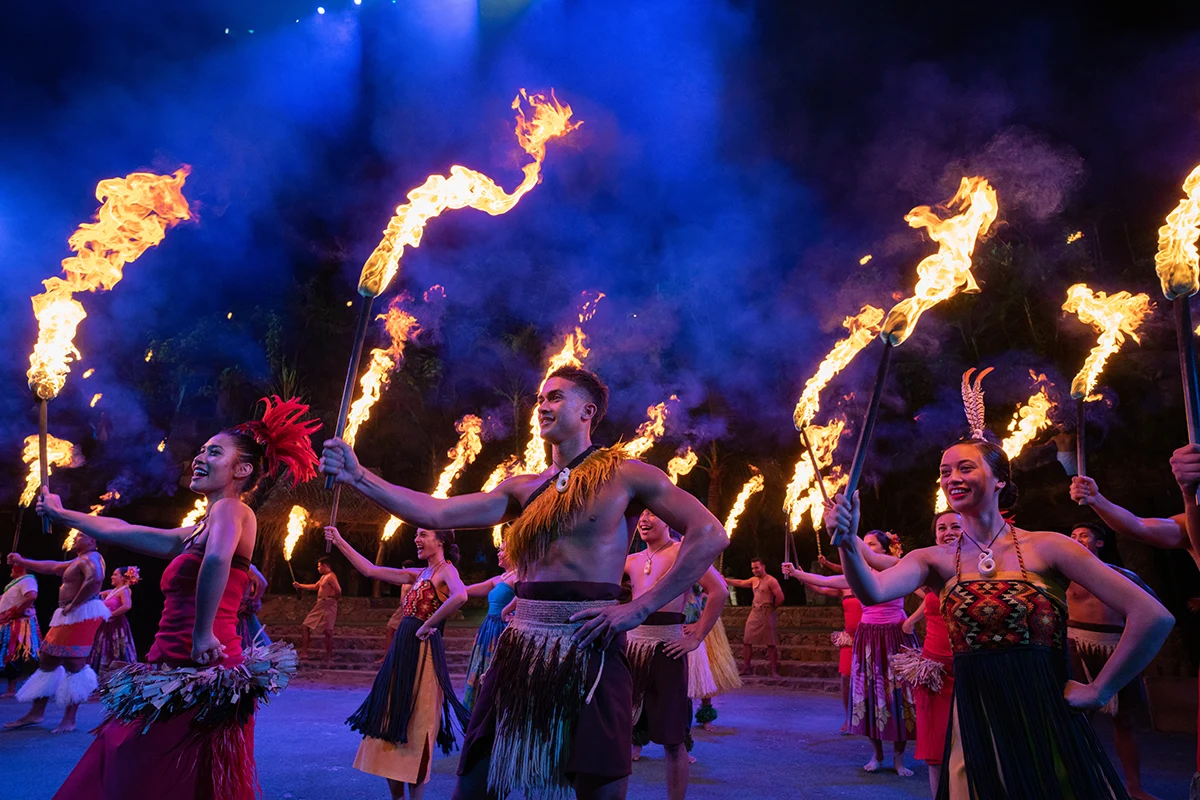
How Gratitude Becomes Story: HĀ: Breath of Life
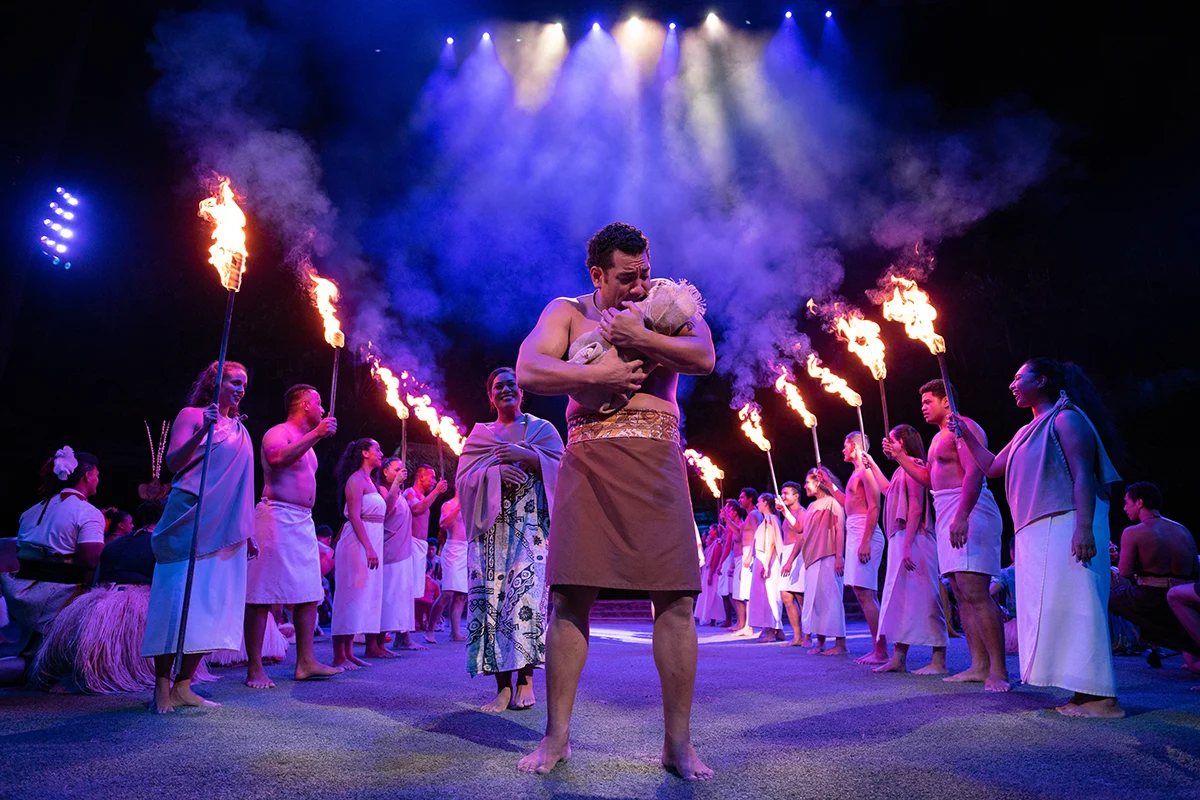
Each evening at the Center, the spirit of mahalo takes center stage in one of Hawaiʻi's most celebrated shows, HĀ: Breath of Life.
Set in a 3,000-seat amphitheater with a breathtaking multilevel stage and stunning special effects, HĀ tells the story of Mana and his beloved Lani, a Pacific saga of birth and death, love and loss, tragedy and triumph. Family is the heart of everything.
What makes HĀ unforgettable isn't the spectacle, though the spectacle is extraordinary. It's what the show stirs in people. Night after night, families walk out of that amphitheater holding hands a little tighter. Parents see their children differently. People reconnect with what matters. That is mahalo doing its work.
One Love, One Gratitude
Mahalo speaks to the idea that love and thankfulness are not separate things. They come from the same place, and together they shape how Polynesians move through the world.
Visitors to Hawaiʻi often remark that they felt something different here, a warmth they can't quite name. Now you can name it: it's mahalo. And once you feel it, you'll understand why people who come to the islands so often leave a little changed.
Experience the spirit of mahalo for yourself at the Polynesian Cultural Center in Lāʻie, Hawaiʻi. Browse our packages and plan your visit.
Frequently Asked Questions About Mahalo
What does mahalo mean in Hawaiian?
Mahalo is most commonly translated as "thank you," but its meaning goes much deeper. It expresses a heartfelt gratitude for life's blessings, not just a polite response to a kind gesture, but a whole philosophy of living thankfully.
How do you pronounce mahalo?
How do you pronounce mahalo? Mahalo is pronounced mah-HAH-loh. Each syllable is spoken clearly, with a slight emphasis on the middle syllable. You'll hear it spoken warmly and often throughout the Hawaiian islands.
Is mahalo only used in Hawaiʻi?
Mahalo is a Hawaiian word, but the spirit it represents, deep gratitude and love for life, is shared across Polynesian cultures. Similar values are expressed throughout Samoa, Tonga, Tahiti, Fiji, and Aotearoa (New Zealand).
What is the difference between mahalo and aloha?
Aloha is perhaps the most famous Hawaiian word, used as both a greeting and farewell, expressing love and compassion. Mahalo specifically expresses gratitude and thankfulness. Both words reflect core values of Hawaiian culture and are often used together in everyday life.
Where can I experience the spirit of mahalo in person?
The Polynesian Cultural Center in Lāʻie, Hawaiʻi is one of the best places to experience mahalo firsthand. Through cultural villages, traditional activities, and the nightly HĀ: Breath of Life show, visitors get a genuine immersion in the warmth and gratitude that defines Polynesian life.