








Paifala: Samoan Pineapple Pie Recipe
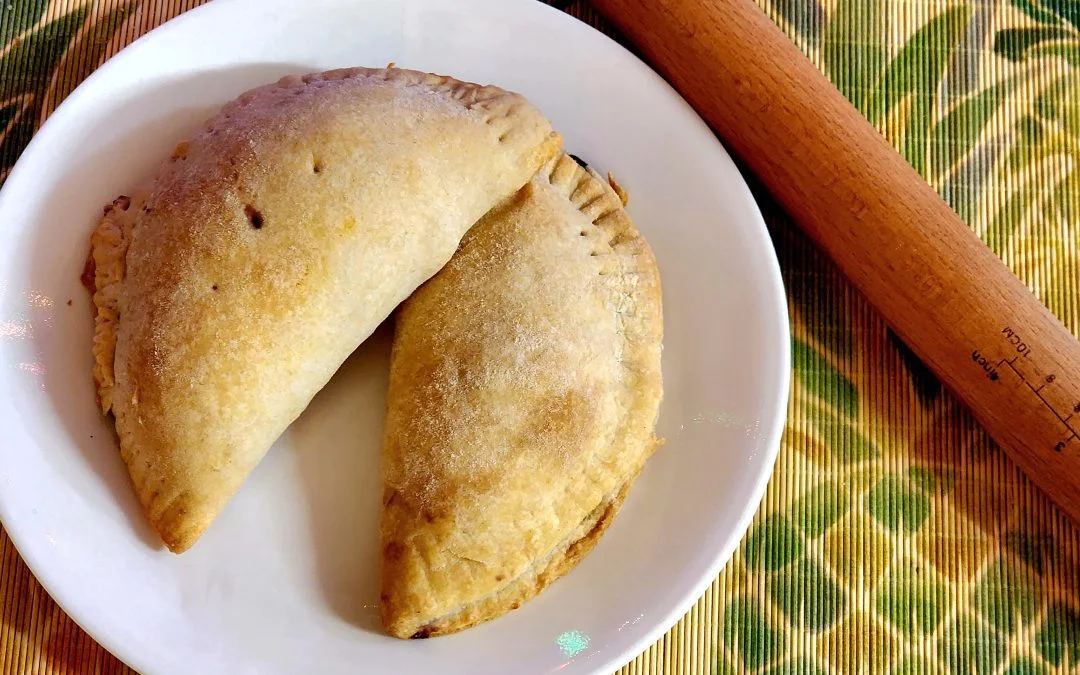
What is Paifala?
Paifala is a terrific recipe for the holidays or everyday, for that matter. It is one of my favorite Polynesian desserts, and luckily, it’s fairly easy, once you figure out how to form beautifully rounded handpies.
These handheld pies are a favorite in Samoa, and have migrated to many of the other islands. Aotearoa (New Zealand) has certainly put their own spin on this treat, along with some of the most delicious meat pies in the world. So if you travel anywhere in Polynesia, look to see if you can find them on the menu of a local bakery or food truck. You may even find versions in some of our food trucks here at the Polynesian Cultural Center.
It took me about 3 tries to get a pretty good resemblance of the traditional pies, but I can assure you that each version was quite delicious, so have fun working your way through it – OR – take the time to review this paifala video by The Polynesian Kitchen, so that you can see exactly how it is done. The big secret is to keep the pie dough thick, don’t let it get "sticky", and use a typical 7 1/2 – 8″ salad plate to help, or if you prefer smaller versions, a 5-6″ saucer (note: I find the smaller versions much easier to handle and they keep their shape better). I made sure to include all of this in the instructions to help make your version a success from the first try.
You will also notice that I have included instructions for achieving a vegan version, which I promise you, is as delicious as the regular one.
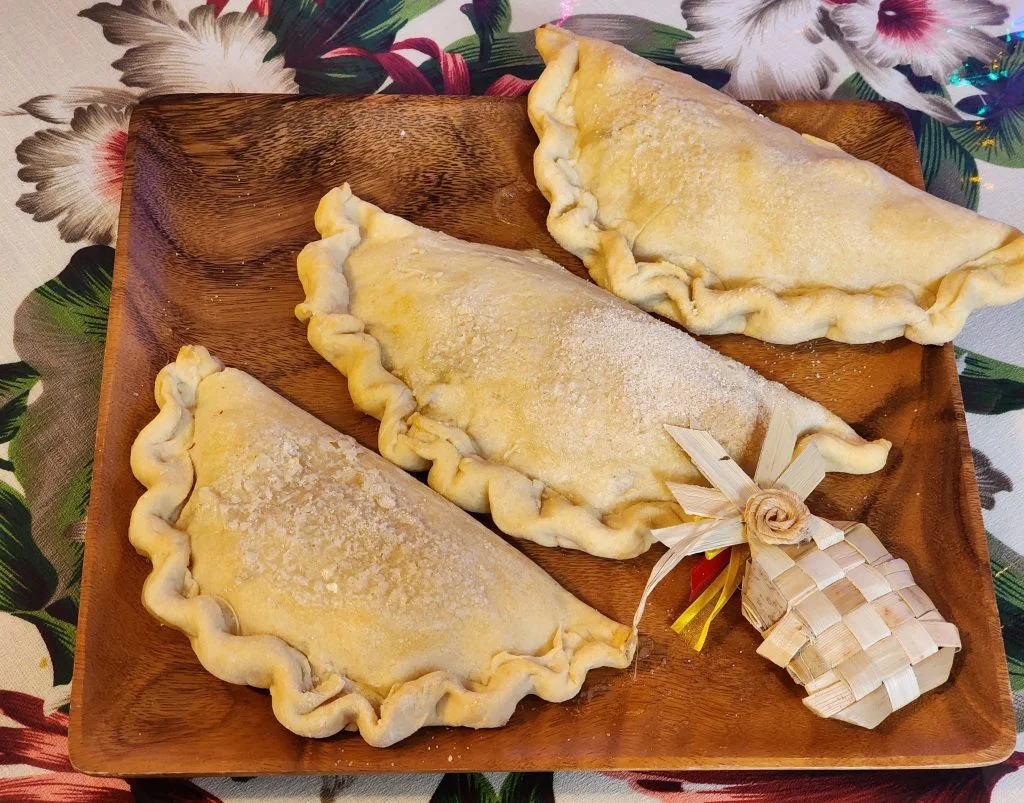
Paifala Recipe
Ingredients | Paifala Filling
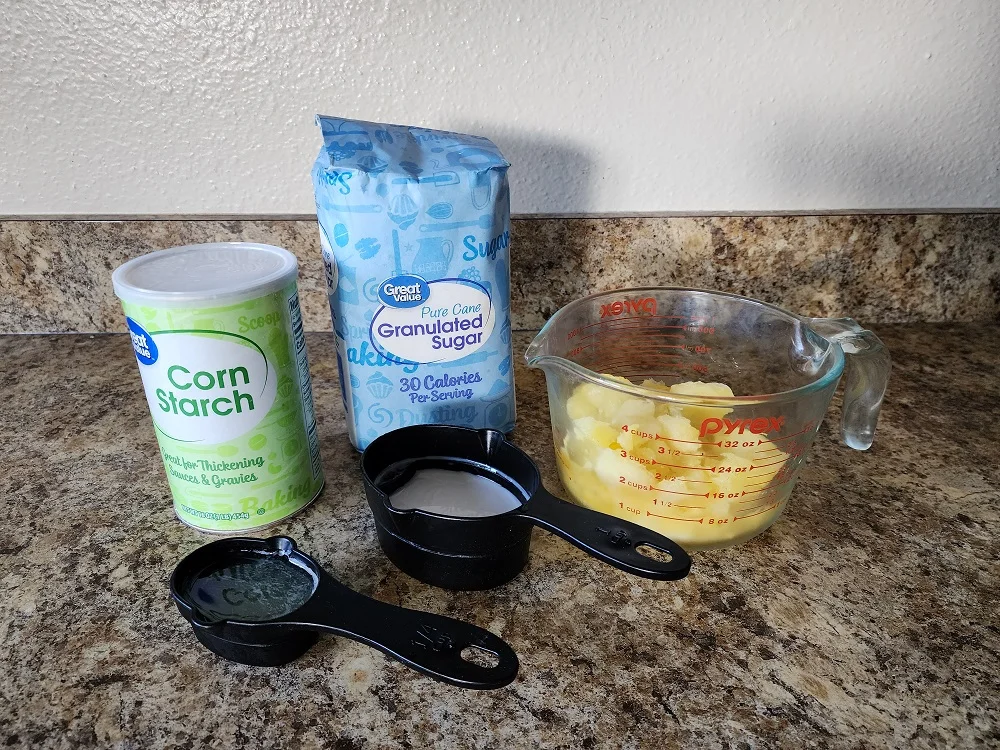
- 4 cups (960 ml) fresh or canned crushed pineapple, drained (save juice to include in total pineapple juice below)
- 2 cups (400 g) sugar (consider using raw sugar for a healthier alternative)
- 1/2 cup (60 g) cornstarch
- 1 cup (240 ml) coconut cream (or substitute milk or cream)
Optional: For a water-based filling, substitute 1 cup (240 ml) water for the coconut cream. (Note: This is in addition to the 1/2 cup pineapple juice used to dissolve the cornstarch.) - 1/2 cup (120 ml) pineapple juice
Directions | Paifala Filling
- If you are using fresh pineapple, chop it into very small and even pieces. It is also important to fully drain the pineapple juice. Note: Place the chopped pineapple in a colander over a similarly sized bowl. Use a large spoon or rubber spatula to press out the juice and save it for later.
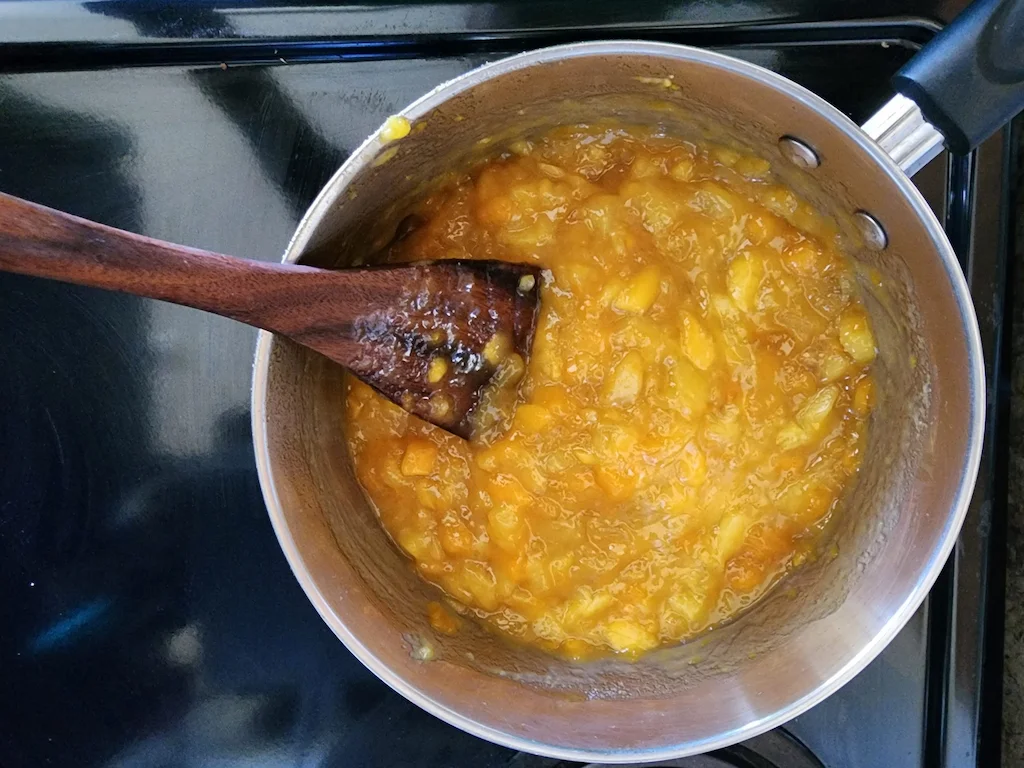
You do not need to cook the filling thoroughly, but make sure that it is thick enough to be held within the raw shell while forming - Combine pineapple, sugar, and coconut cream in a saucepan. Heat on medium until the sugar has dissolved. Remove from the stovetop.
- In a separate bowl, thoroughly mix the cornstarch with 1/2 cup pineapple juice until the cornstarch is fully dissolved.
- Slowly stir the cornstarch mixture into the warm pineapple filling until thoroughly mixed.
Tip: The filling should be fairly thick so the pie can hold its shape. - Let the filling cool while you prepare the pastry crust.
Ingredients | Pastry Crust
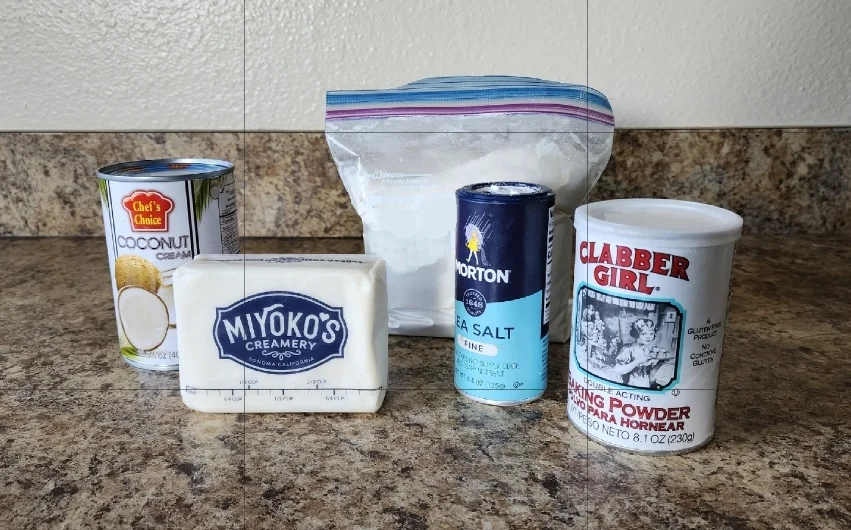
- 5 cups (600 g) all-purpose flour
- 3 teaspoons (12 g) baking powder
- 1/2 cup (1 stick or 113 g) unsalted butter, cold and chopped into small pieces
- 1 can (14 oz / 400 ml) coconut cream
Directions | Crust
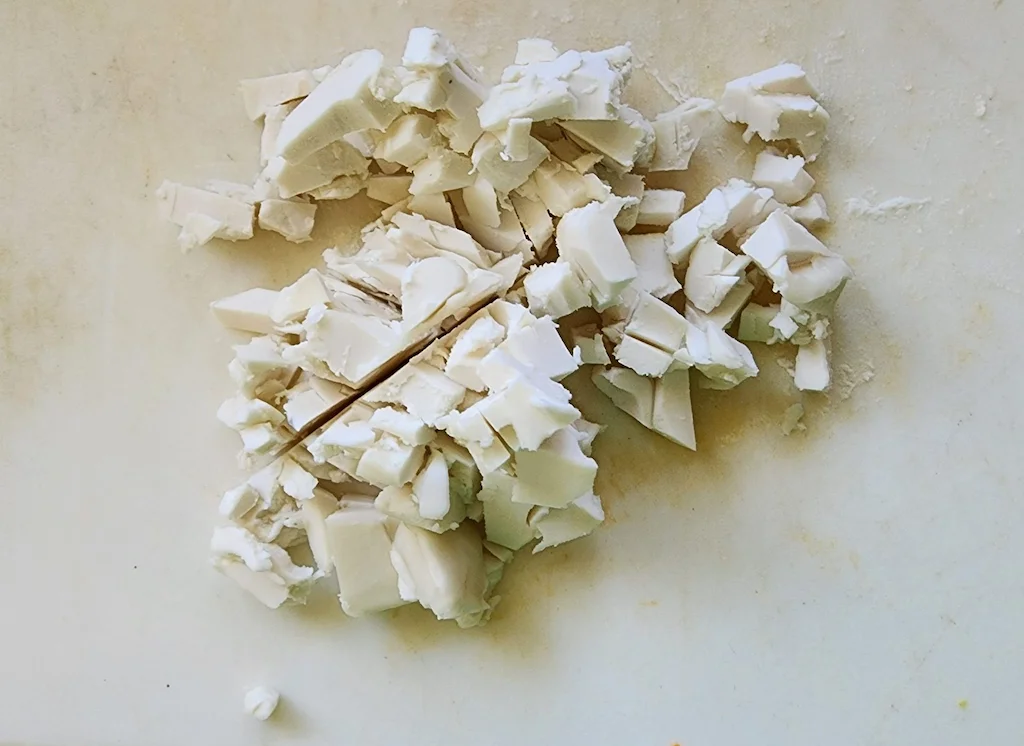
Add all ingredients to mixing bowl. Mix with a pastry cutter or fork until a smooth ball forms. You want it to feel rather like playdough, soft, but able to hold it’s form without ‘falling’.
Optional: place flour, baking powder, and butter into food processor. Hit “pulse” 5 – 7 times, until mixture resembles the consistency of crushed cookies. Add coconut milk and hit “pulse” 2 – 3 more times. Remove from blades carefully (I use a cutting glove here to protect from cuts – best invention ever!)
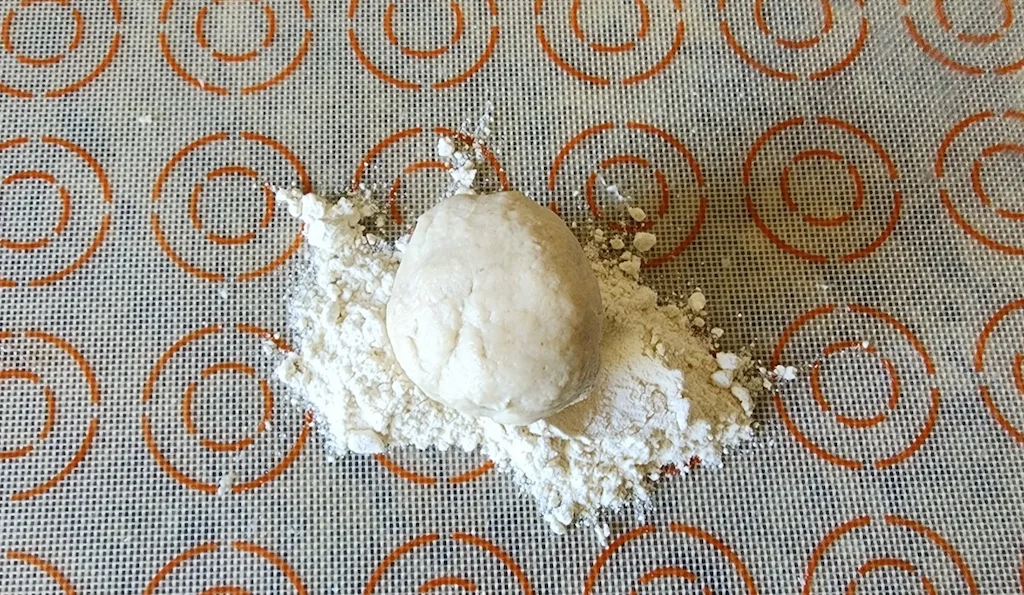
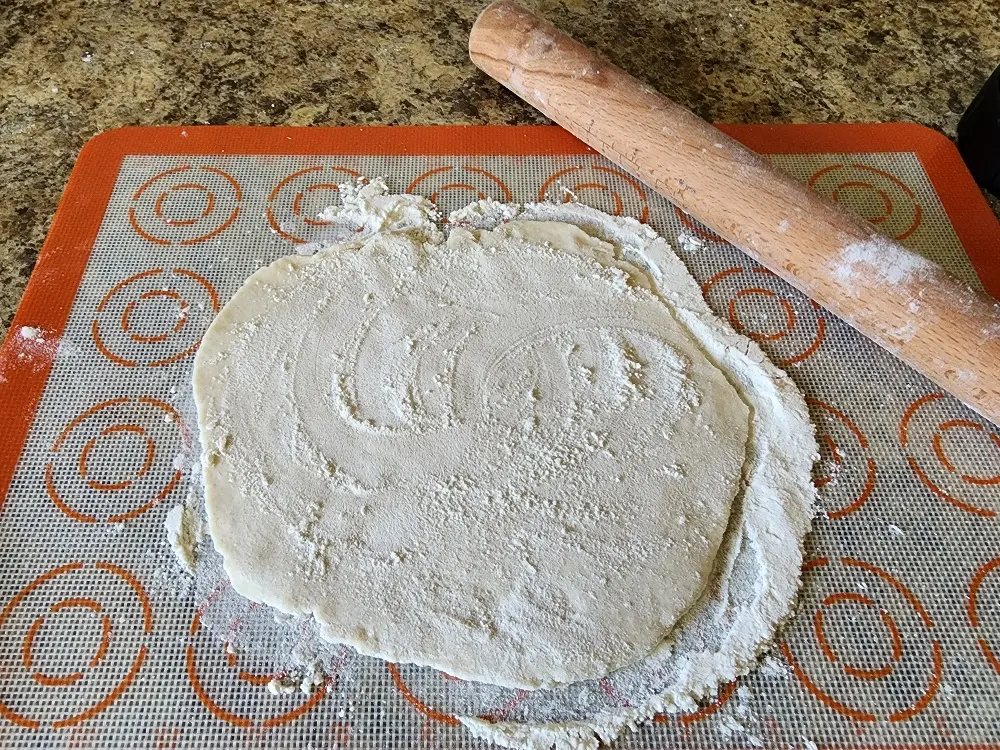
Divide dough into 6 pieces and roll each out into an 8-inch circle on a well floured and clean surface. After forming each circle, dust evenly with flour and place on a dry cookie sheet.
Note: A handpie needs to carry the weight of the filling, so make sure that your shell is close to double the thickness as a typical pie crust. If you follow the directions perfectly, and divide the pastry into 6 even balls, the hard work is already done.
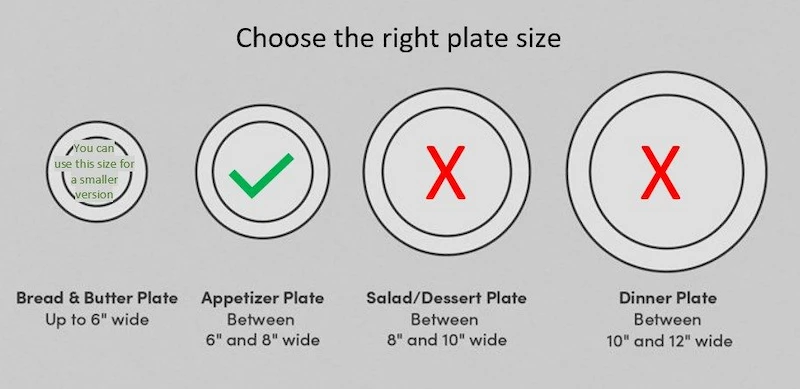
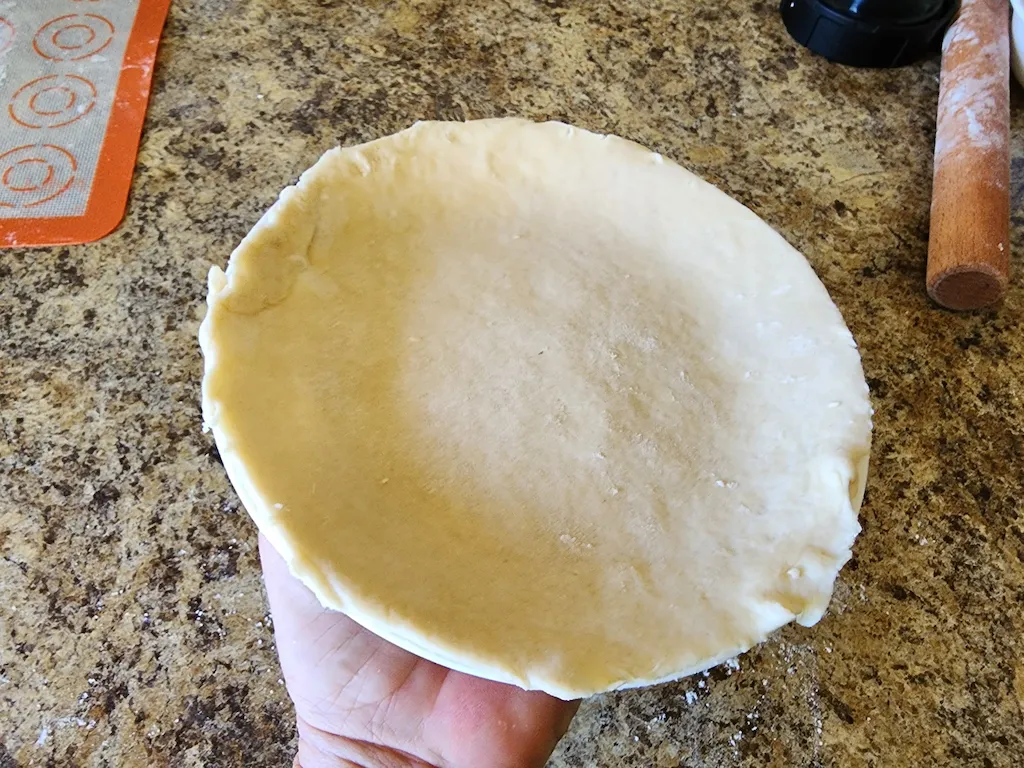
Taking one circle, place it perfectly centered across an 8″ salad plate that provides a shallow indent. This is used to accentuate the roundness of the ‘moon-pie’ (which means it is rounded on both sides rather than flat on one side). (NOTE: I experimented a LOT and found that I preferred using a 5-6″ saucer, at least for my first few batches – as they were easier to handle and maintained their shape while I learned how to form them.)
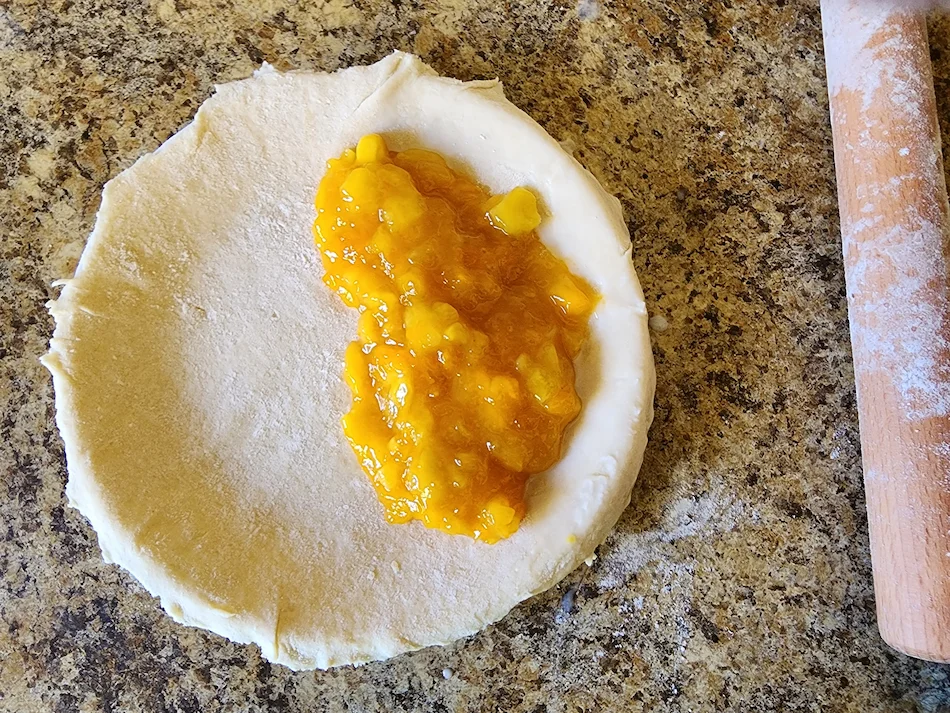
Spoon equal amounts of filling over one half of the pieshell. Use enough filling to insure that it has a nice, round dome, but keep no less than 1 inch of the rim of the circle free of filling so that you can seal it.
Now here is the tricky part. As you pull the dough over the top to form a half circle, work hard to keep the filling round and to avoid air gaps. Lay the pastry lightly over the top (again, making a perfect half circle. Quickly cut three vents along the top to let out air. Do not ‘seal’ until you look to see if the pie has flattened a bit. If so, use flat fingers to ‘press’ the filling back towards the middle. It is important that this step is done quickly, as the pastry will become ‘gummy’ if you fuss and worry over it. I suggest that you watch this video, by “The Polynesian Kitchen” showing exactly how it works (the forming of the pie starts at the 5:21 minute mark).
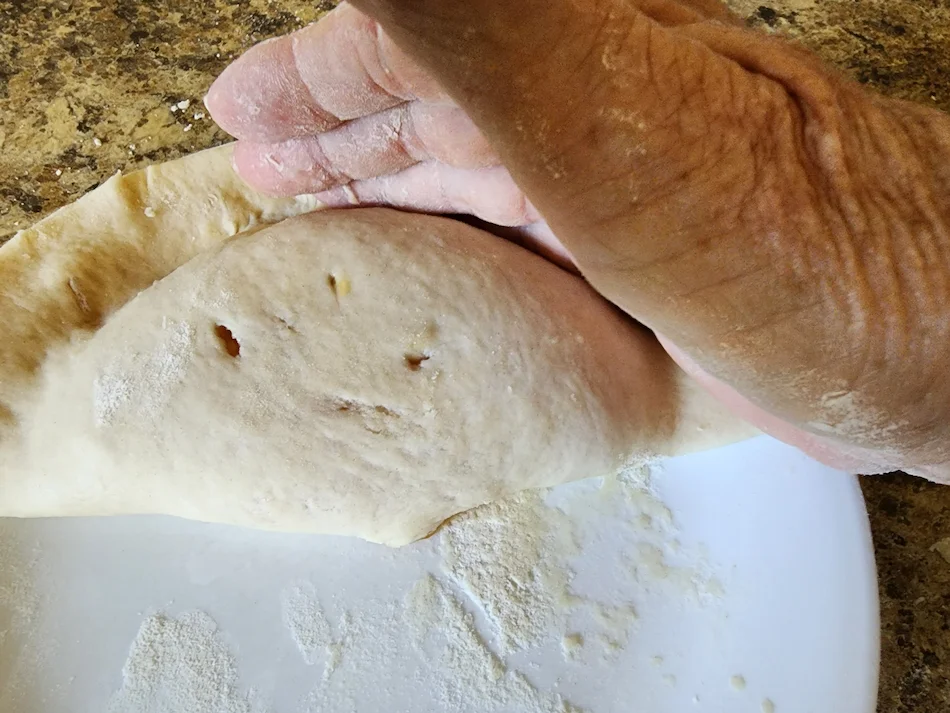
Now press the edges together and ‘seal’ the outside edge with a fork.
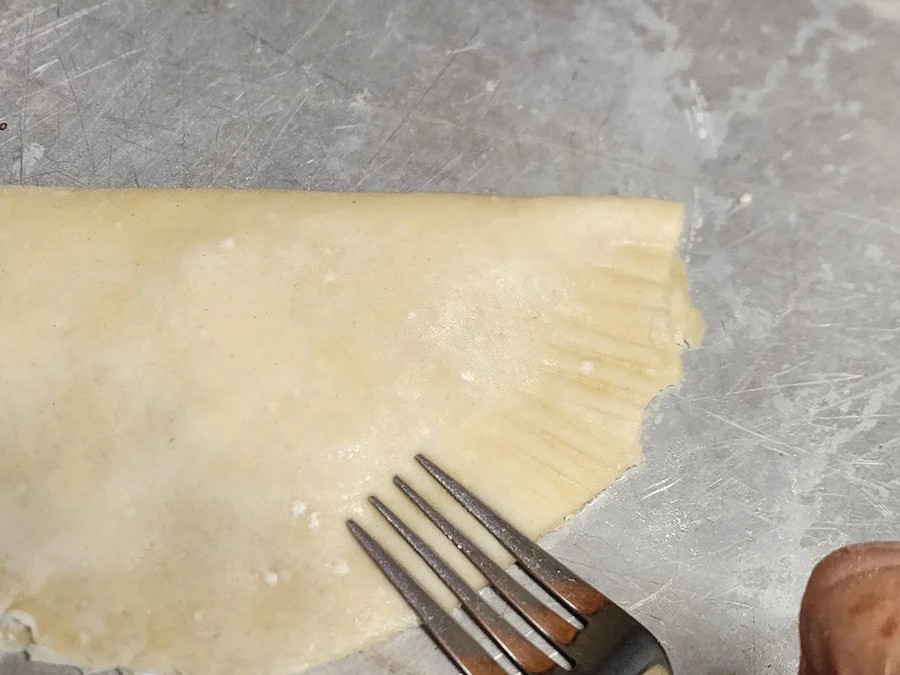
Brush the top with an even amount of coconut milk for a shiny top, dust lightly with sugar. Place on a lightly oiled cookie sheet with plenty of space in between each pie in order to allow even browning.
Cook in a preheated 350° oven for 25 – 30 minutes or until just turning golden.
Cool on wire rack.
Enjoy!
Options:
Substitute mango or papaya for pineapple (but still use pineapple juice). Better yet, use a combination of these to make it a tropical delight!
For a vegan version, simply switch to plant based butter for the shell and coconut cream for the filling.
Want to try some other great Samoan desserts? Here are just a few from Eat Polynesia!, sponsored by the Polynesian Cultural Center in Laie, Oahu, Hawaii.
Supoesi: Traditional Samoan Recipe – polynesia.com | blog
How to Make Koko Alaisa | Polynesia.com
Samoan Panikeke Recipe Samoan Panikeke Recipe | Polynesia.com