








PART I – Pearl Harbor and WWII Histories from La’ie: Finding Refuge From the Storm of December 7, 1941
| News at the Center | Cultures of Polynesia
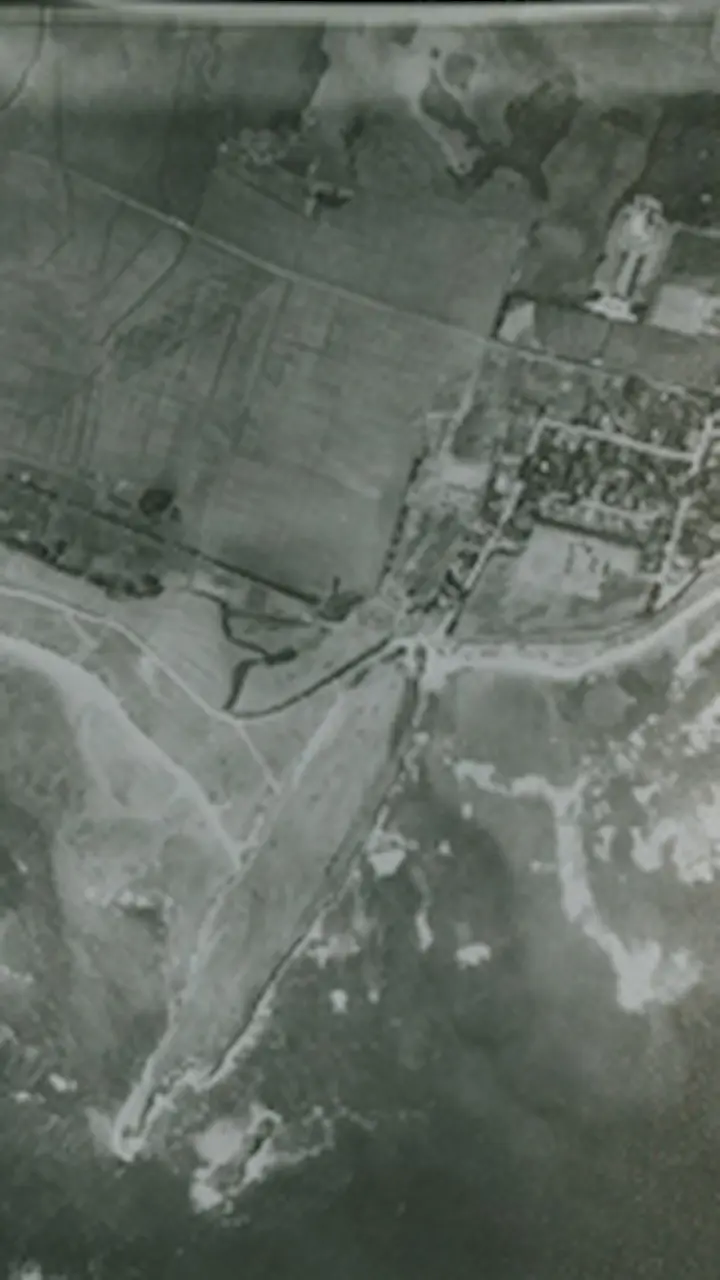
Laie Point and the town of Laie, c1930
La’ie In 1941
The town of La’ie sits on the northeast corner of the small Pacific island of Oahu, just a few minutes from the famous beaches of the North Shore.
La’ie was established in ancient times as a pu’uhonua, which means sanctuary or place of refuge.
Although pu’uhonua were abolished by King Kamehameha in 1819, local residents have always felt that La’ie maintained its spirit of protection and peace.
This came into play in modern times on December 7, 1941, when Japanese aircraft attacked strategic areas of Oahu. Although history concentrates on the center of the attack in Pearl Harbor, there were other areas around the island that were also targeted, and ultimately, all of Hawaii was deeply affected.
On Monday, October 23 of this year, I sat in the Pualoa home here in La’ie with three of our beloved kupuna (honored elders), Aunties Gladys Pualoa Ahuna and Laverne Pukahi, and Uncle Joe Ah Quin, as they “talked story” about their experiences that morning in 1941 and the days following. They chatted easily as dear friends do. Both the sound of laughter and the pidgin accent of old Hawaii flowed easily as they discussed how life changed so quickly and so drastically one Sunday morning, long, long ago.
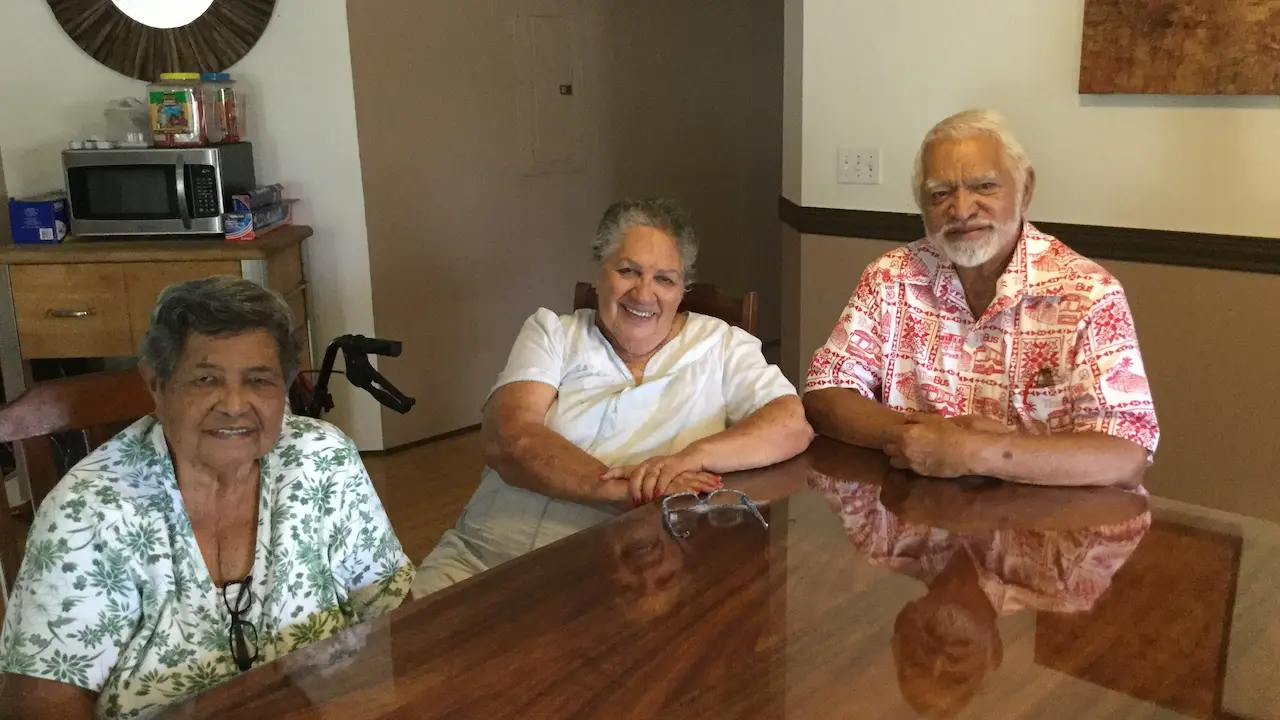
First Hand Account of Pearl Harbor and Its Aftermath Through the Eyes of a 6 Year Old
“All we see are these two planes, baba-baba-ba…at each other. And one of them, I don’t know which one, it (spiral motion) — crashed in the water.” — Laverne Pukahi
Laverne was born in 1935 in Honolulu. She is 100% Hawaiian, born and raised. Her parents, Moses Hiram and Susan Pahia, had both been married previously and brought 9 children each into the marriage. Their union contributed 3 more. Laverne was the second to the last. Her father was LDS (Mormon), while her mother faithfully attended a Hawaiian Christian Church. At the time of the attack, she was 6 years old, and the family was living near downtown Honolulu on the corner of Liliha and King Street, not 7 miles from Pearl Harbor.
On the morning of December 7th, Laverne’s father had driven to Kalihi to fill the car up with gas. The rest of the family was just starting their day when the phone rang. It was Moses hurriedly ordering Susan to pack up the kids because the Japanese were bombing Pearl Harbor. As he drove quickly to the house, he was literally driving through a war zone.
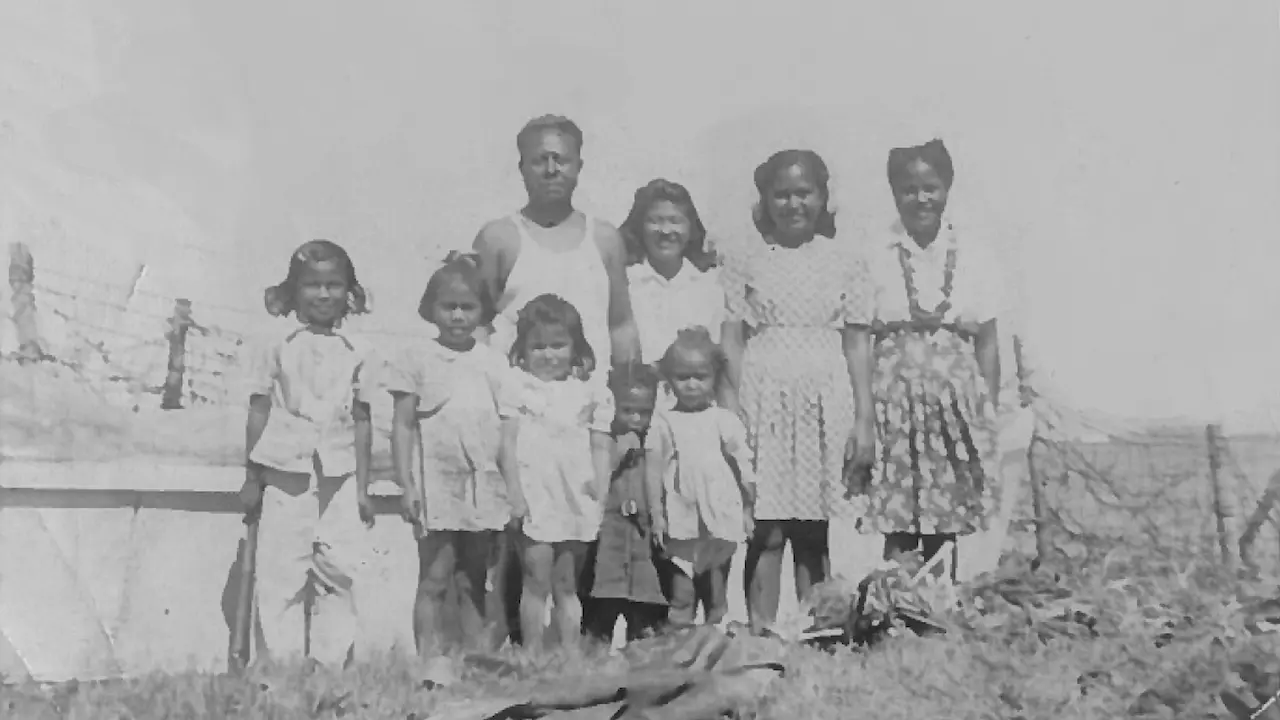
Desperate to find safety, Moses gathered his family and headed up the Pali Highway towards his hometown of La’ie, a place he knew was blessed for protection. But as his car climbed the Pali Highway, ready to crest over the rim of the Ko’olau Cliffs dividing the windward side of the island from the Honolulu area, he was stopped short by a military roadblock. The Japanese were also attacking the marine base in Mokapu, just beyond Kaneohe, cutting off all access.
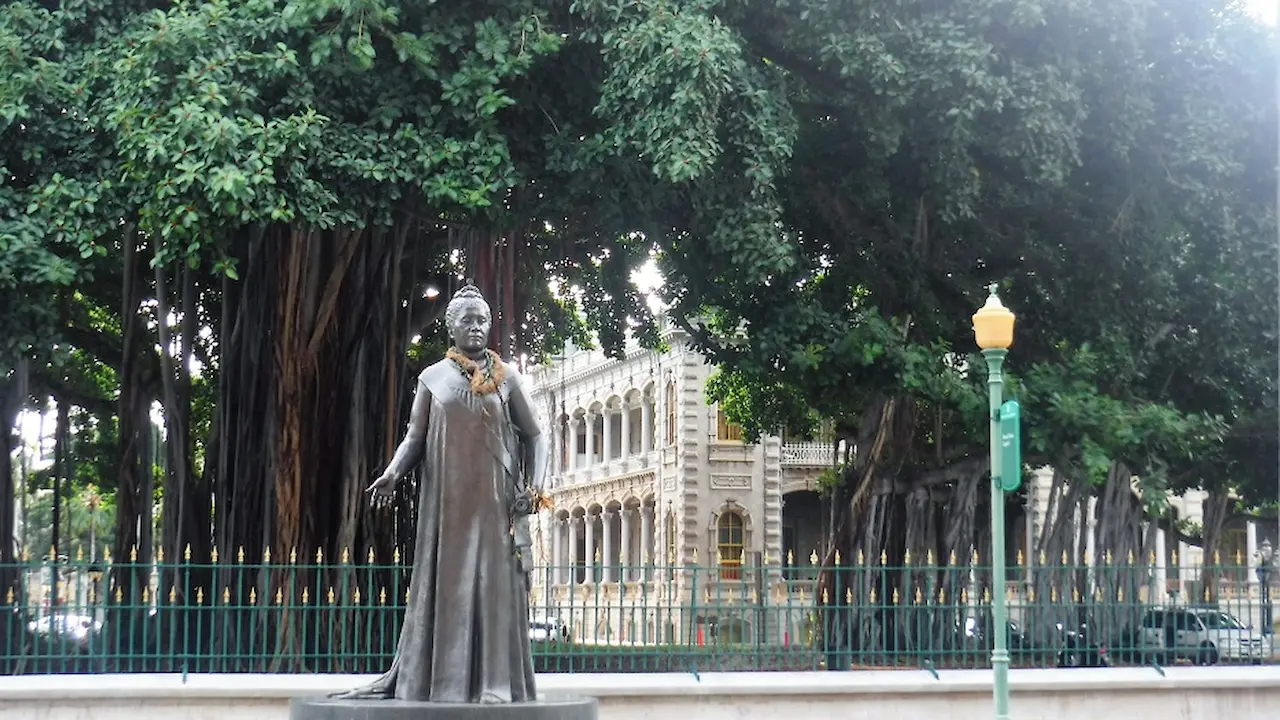
Moses tried a different route by winding his car through the city streets towards the shore and heading down to the makai (ocean) side of Diamond Head. The family was stopped once again, this time near Iolani Palace. Laverne described hearing this high-pitched sound – “wheeeeeeeeeeeee.” A bomb crashed through the palace grounds. She heard again the “wheeeeeee,” and another bomb hit the ground. Laverne’s mother ordered the children to hide in the base of the great banyan tree bordering the palace.
Soon they made their way around Diamond Head. Laverne witnessed two planes over the water just outside Bellows Air Force Station engaged in battle. She still vividly recalls the sound of gunfire and the sight of one of the planes disappearing into the crashing waves.
Moses stopped the car and they all ran for shelter under a store along the highway that was built upon stilts. There they waited while he considered their options.
There was nothing to be done. They had to head back home. Once they arrived, they covered their windows, as instructed, and waited. From their little house they could hear the sirens. They could smell the diesel-fueled smoke. It was a terrifying experience, but Laverne remembers with great admiration that her parents never acted afraid. They kept calm and worked hard to keep their children calm too.
Her older sister, however, became panicked. She shouted that she was going to “kill the children so that they would not be tortured by the Japanese.” Her mother kept her from fulfilling her misguided mission, but to a 6-year-old, it felt like the end of the world.
They kept the lights out and waited until it was safe to head to La’ie. Whether that was a day or more, Laverne cannot remember. She just knows that they were eventually able to make the trip safely, and there they stayed, not just throughout the war, but for the rest of her life.
The Military In Her Backyard: Infantry Men Stand Guard
“It was so frightening in the beginning. We all ended up sleeping in Mother and Father’s bedroom. There were 7 of us children.” — Gladys Pualoa Ahuna
Gladys Pualoa Ahuna was born in 1929. Her father, Peter McRae Enos, was of Portuguese and Hawaiian descent while her mother Sophia Naroa Ke’a was Hawaiian. Between them they had 3 girls, though in total, there were 8 children.
Gladys’ family lived at the Telephone Exchange. Her father was the Superintendent for the entire northeast coast, from the east side of Waimea Bay, down past La’ie, and on to Kualoa where a large cattle ranch was situated.
Her father was the first one to hear about the attack early that Sunday morning. He ran over to the house and called out to his wife, saying “Happy, Happy, get the kids together. They’re bombing Pearl Harbor.”
Peter then left to notify the soldiers that an attack had started. They knew nothing about it!
Immediately, the 19th Infantry came down and established a command post in the backyard. There were three huge tents set up. They turned the large garage into a kitchen. The Enos family was not allowed into these areas for the duration of the war.
Gladys was 12 years old.
So Much Excitement: La’ie Finds Out About Pearl Harbor
“To me, it was exciting! But we were just kids. We didn’t know what was going on.” — Joseph Ah Quin
Joe W. Ah Quin was born in 1935. His father had just purchased a radio. Early that morning, he heard the announcement about the bombing of Pearl Harbor and carried the radio outside so the entire neighborhood could hear.
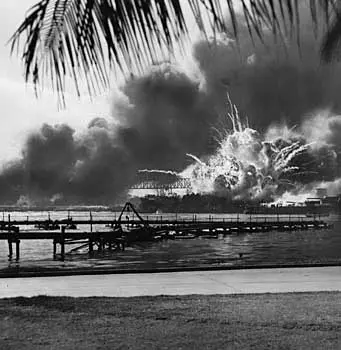
Joe’s cousins came to stay at their home because they were frightened. Rumors spread across the island — stories about paratroopers, invasions, and hand-to-hand fighting. It is little wonder the children struggled to sleep.
SEGMENT TWO: La’ie Under Martial Law: The Military Takes Charge
SEGMENT THREE: Mixing It Up in Laie
About the Author
Nina Jones, a mainland gal from way back, is now a transplanted Islander. With her husband of 39 years, she volunteers at the Polynesian Cultural Center. Her hobbies include swimming, traveling, studying, and writing about what she is learning from various Polynesian cultures. Her blogs focus on their history, beliefs, practices, and delicious food.