








Polynesian Royalty: History, Traditions & Cultural Legacy
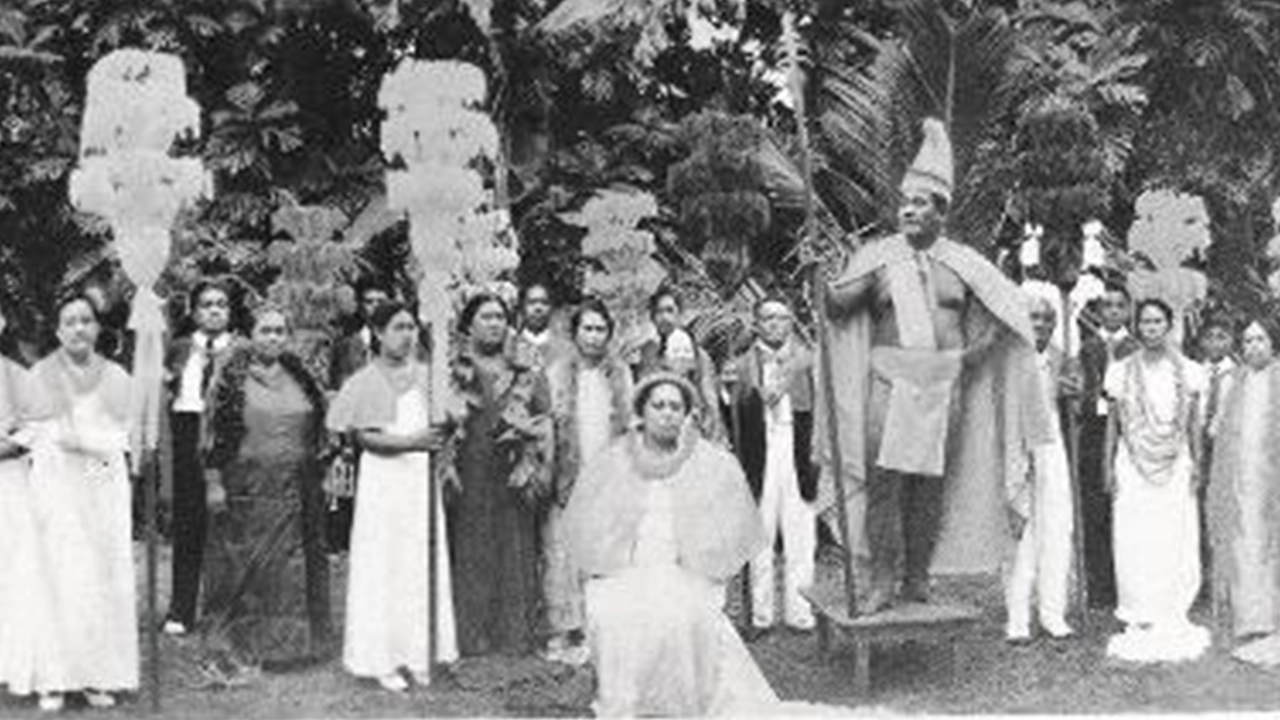
We Love Our Polynesian Royalty
Honoring royal heritage across Polynesia
Most people in modern Hawaiʻi cherish the many reminders of our aloha state’s royal heritage. For example, we’re the only state graced by a royal palace — ʻIolani Palace in Honolulu; the Kamehameha Schools are the sole beneficiary of the late Princess Bernice Pauahi Bishop’s estate; and there are numerous other places, streets, buildings, institutions, and other things in Hawaii that help us recall our historic royalty.
Hundreds of Hawaiians and others recently went to the Bishop Museum in Honolulu to see a new display — the spectacular red-and-yellow royal feather cloak and helmet that was originally presented to British explorer Captain James Cook almost 250 years ago. Te Papa Museum in Wellington, New Zealand, has repatriated the priceless items, decorated with the brilliant feathers of now extinct birds.
The hereditary aliʻi, as they were called in Hawaiʻi — or chiefs of various ranks, with similar designations throughout the rest of Polynesia — ruled their respective islands for thousands of years. In a few cases, as in Hawaii, some ali’i elevated themselves above others — usually through warfare, sometimes through diplomacy — to the ranks of kings and queens. Some of these subsequently established dynasties. And, it should be noted, many Polynesians alive today are descendants of the various aliʻi and former royalty.
Except in Tonga, for example, where His Royal Highness King Tupou VI, ‘Aho’eitu ‘Unuaki’otonga Tuku’aho Tupou, reigns today over the kingdom and still holds considerable power. His Highness Tupua Tamasese Tupuola Tufuga Efi — Head of State of the Government (O le Ao o le Mālō) of Samoa since 2007, is also one of four traditional paramount ali’i or chiefs in Samoa. Besides his role in government, his paramount chiefly title distinguishes him from the thousands of other current family and village ali’i in that independent island nation.
The current New Zealand Māori king, His Majesty Te Arikinui Tuheitia Paki — who succeeded his mother, the long-reigning Her Majesty Te Arikinui Dame Te Atairangikaahu in 2006, is highly respected by some Māori tribes (principally in the North Island), but others consider his role is largely ceremonial.
Legacy of King Kamehameha I
Here at home, we often pay homage to traditional chiefs and royalty by representing them in pageants, parades, and other events.
King Kamehameha I united the islands into the Kingdom of Hawaiʻi after about 15 years of intermittent warfare and, finally, in 1810, through diplomacy in the case of Kauaʻi and Niʻihau. The House of Kamehameha, followed by the shorter-lived Kalākaua Dynasty, reigned until 1893, when predominantly pro-American business leaders overthrew Queen Liliuokalani and the Hawaiian monarchy. The U.S. officially annexed Hawaii in 1898, but many Hawaiians still mourn the loss of the kingdom and want to see the indigenous people’s government re-established.
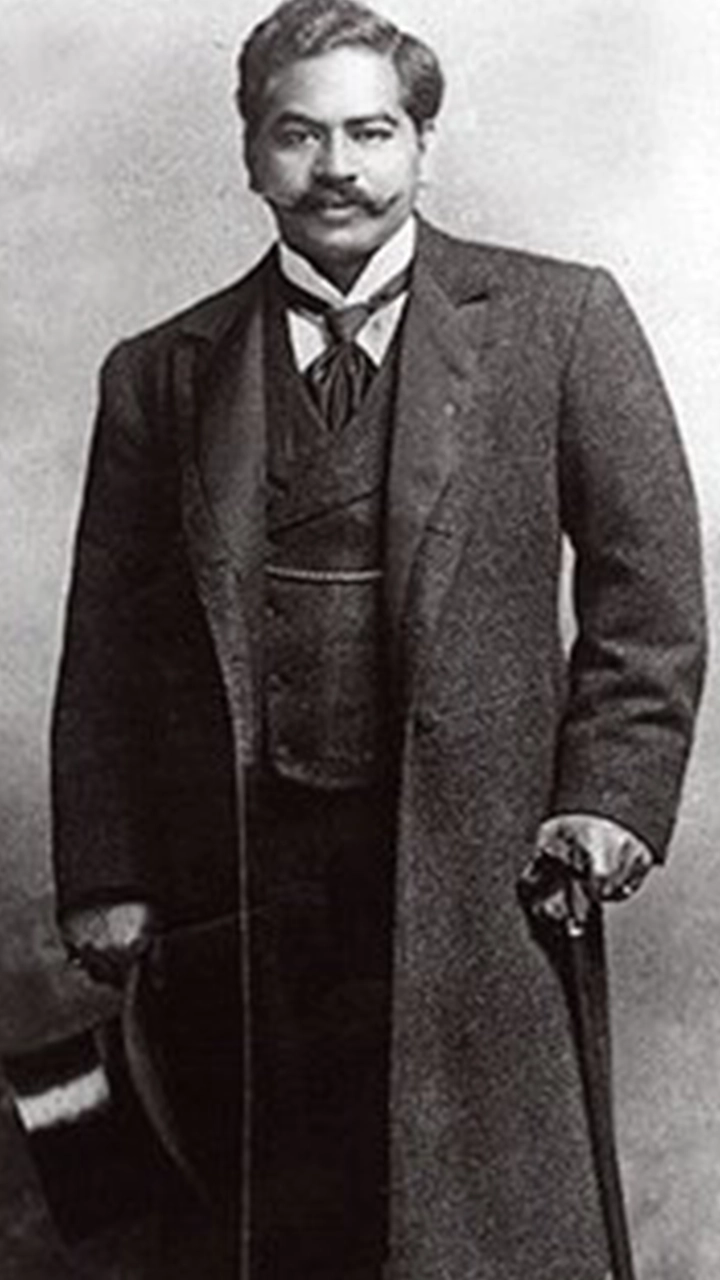
Prince of the people: Prince Jonah Kūhiō Kalanianaʻole
Most recently in Hawaii, we celebrated Prince Kūhiō Day on March 25 as an official state holiday. (King Kamehameha Day on June 11 is our Hawaii state holiday commemorating our royal antecedents.)
The day honors the late Hawaiian aliʻi, Prince Jonah Kūhiō Kalaniana’ole, who was born on Kauaʻi in 1871 and grew up as a member of the Kalākaua Dynasty and designated heir to the throne. He was educated at Punahou in Honolulu as well as in California and England. Following the overthrow, however, he was jailed for one year for his attempts to restore the Hawaiian monarchy, and after his release, he traveled widely in Europe, where he was treated as the royal he formerly had been.
Returning to Hawaii, Prince Kūhiō continued to demonstrate concern for his people by being elected a Republican delegate to the U.S. Congress for 10 terms, from 1903 until his death.
Among his accomplishments, the people of Hawaiʻi can still thank the former prince for creating the county system of local governments still used today. In 1919, he also introduced the first-ever Hawaiʻi Statehood Act (which didn’t come to fruition until 1959), and he helped pass the Hawaiian Homes Commission Act of 1921, which still provides housing opportunities today for some Hawaiians under state oversight.
Prince Kūhiō passed away in 1922 and is buried at the royal Mauna ʻAla Mausoleum in Honolulu, which is open to the public.