








Jonah Kūhiō: Prince of the People
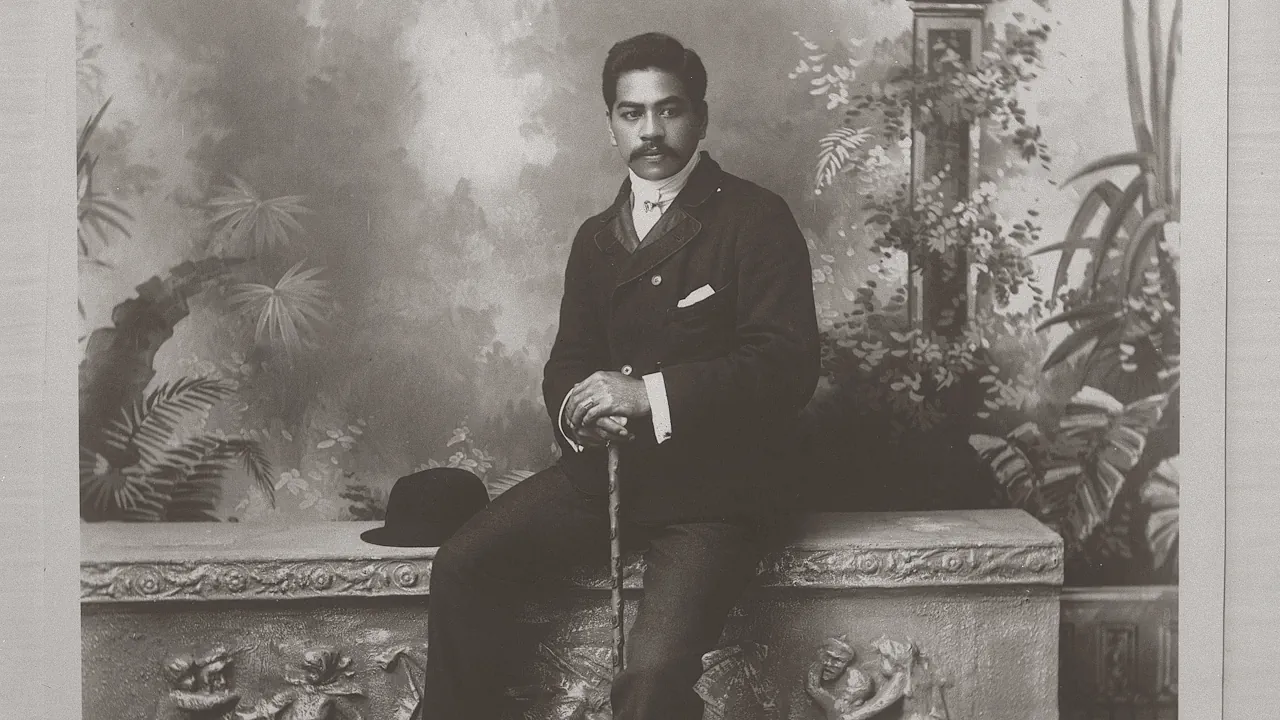
Every year on March 26 in the State of Hawaiʻi, we celebrate the birthday of Prince Jonah Kūhiō. But who are we celebrating? He was known as a fascinating, internationally educated, charming, passionate man who spent the majority of his life serving his people, whom he loved deeply. But it is the detail of his efforts and his heart's desires for his people that place him in such a position of reference and admiration.
Early Beginnings
Born to the sister of Queen Kapiʻolani, Victoria Kinoiki Kekaulike and David Kahalepouli Piʻikoi, on March 26, 1871, Jonah Kūhiō Kalanianaʻole Piʻikoi was hānai (traditionally adopted) by his aunt, Queen Kapiʻolani, after the death of his parents, and was declared a prince by King Kalākaua. Prince Kūhiō Day is celebrated on his birthday.
Preparing for a Life of Service
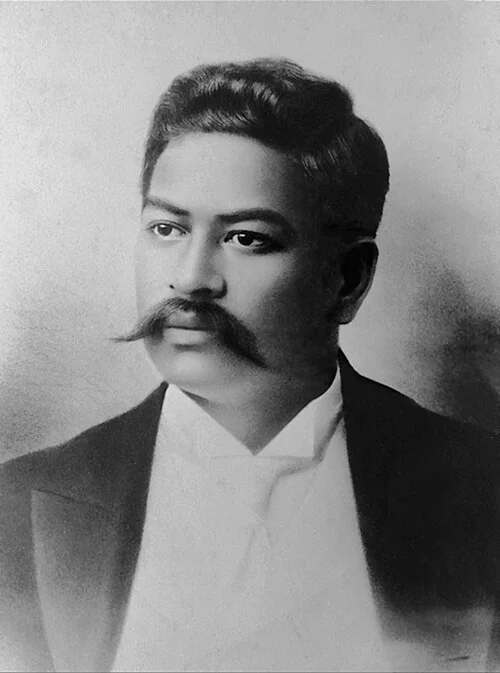
Educated in Honolulu, California, and England, he traveled extensively throughout the United States and Europe. He was known for his smile and charm, and from a young age was affectionately called “Prince Cupid”.
Groomed from an early age to be King, he found himself without a kingdom when he was only 22 years old. After joining the 1895 Wilcox Rebellion that sought to restore Queen Liliʻuokalani to the throne, Prince Kūhiō and his wife, Elizabeth Kahanu Kalanianaʻole, left Hawaiʻi and traveled the world for a few years.
Finally reconciled to the new future of the islands of Hawaii and his people, the “Prince of the People” as he became known, returned to his beloved islands and began to shape the future that we know today.
Over and over the prince became aware that neither congressional colleagues nor federal bureaucrats knew much about Hawaii. So he dedicated himself to educating American administrators about the islands.
The Heart of a Leader
The first Native Hawaiian and only member of Congress born into royalty, Prince Jonah Kūhiō served as Hawaiʻi’s delegate to the U.S. House of Representatives for 10 consecutive terms—nearly 20 years.
Forty years before Hawaiʻi became a state, he introduced a bill proposing Hawaiʻi’s admission as a U.S. state (later known as the Hawaii Statehood Act). He moved the hearts of the entire Senate when he spoke of the plight of his people and their dwindling numbers, loss of their land, and the fear of losing their culture.
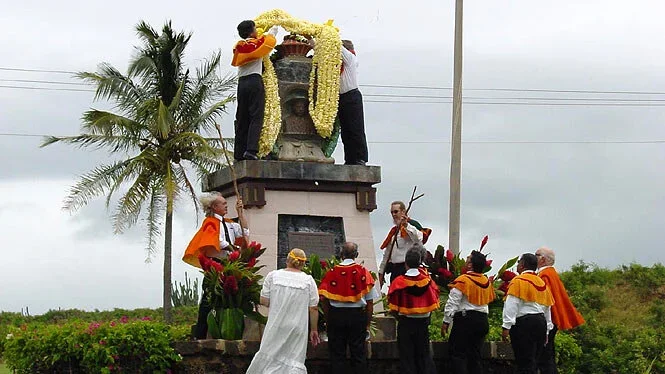
Accomplishments and Legacy
Among other accomplishments, he was able to push through legislation for Hawaiian Homelands, set up the current county system, reorganize the Royal Order of King Kamehameha I, was the founder of the Hawaiian Civic Club, and dedicated his life to the betterment of his people.
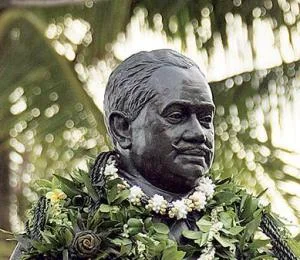
The love of the people for Prince Kūhiō is shown in the many public places and schools that bear his name.
While the Hawaiian people did not achieve the independence he originally fought for as a kingdom, they have independence and freedom that allow them to continue to grow as a Hawaiian people, perpetuate the Hawaiian culture, and continue the Hawaiian legacy that Prince Jonah Kūhiō Kalanianaʻole Piʻikoi, the Prince of the People, spent his life serving.