








Samoan Gardening: Traditional Methods, Crops & Cultural Practices
The Traditional Samoan Diet
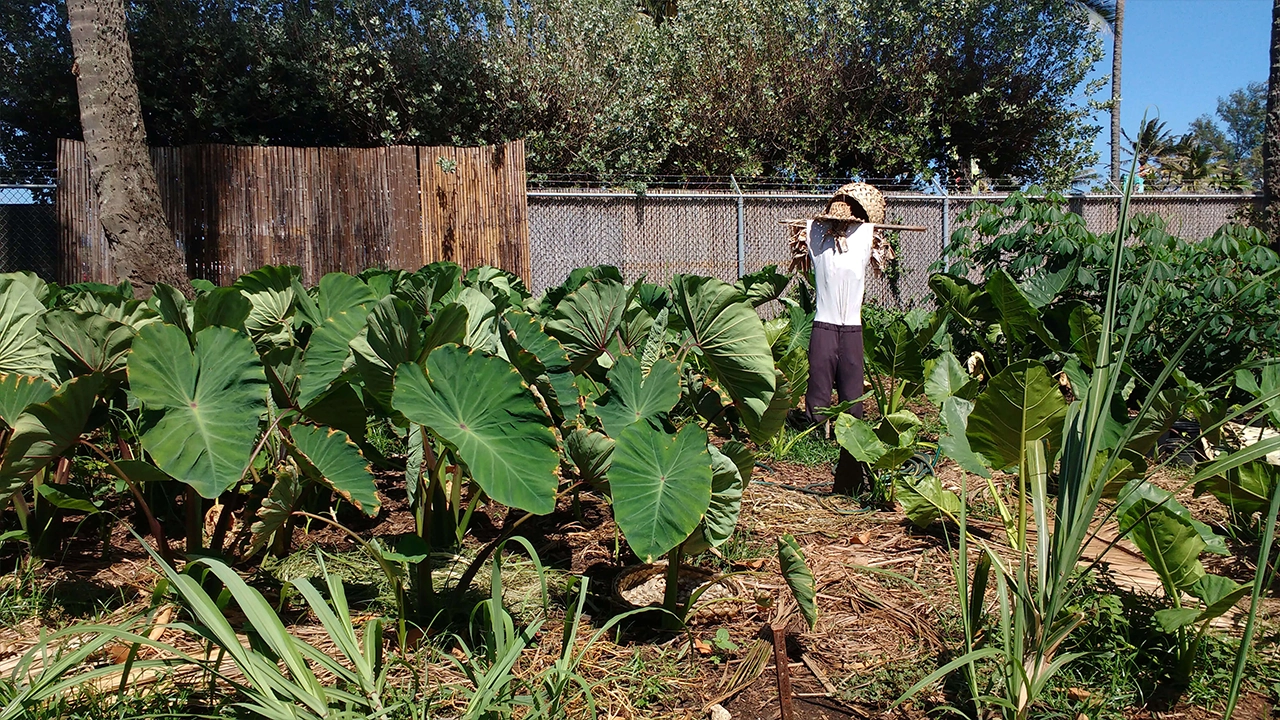
Before Europeans arrived in their islands, Samoans typically subsisted on farming and fishing. Breadfruit, banana, taro, giant taro, and, of course, coconuts are the most common food crops, and are still cultivated today. When trading with other islands became more common, pigs and chickens were added to the diet.
Responsibilities for food preparation in ancient Samoa
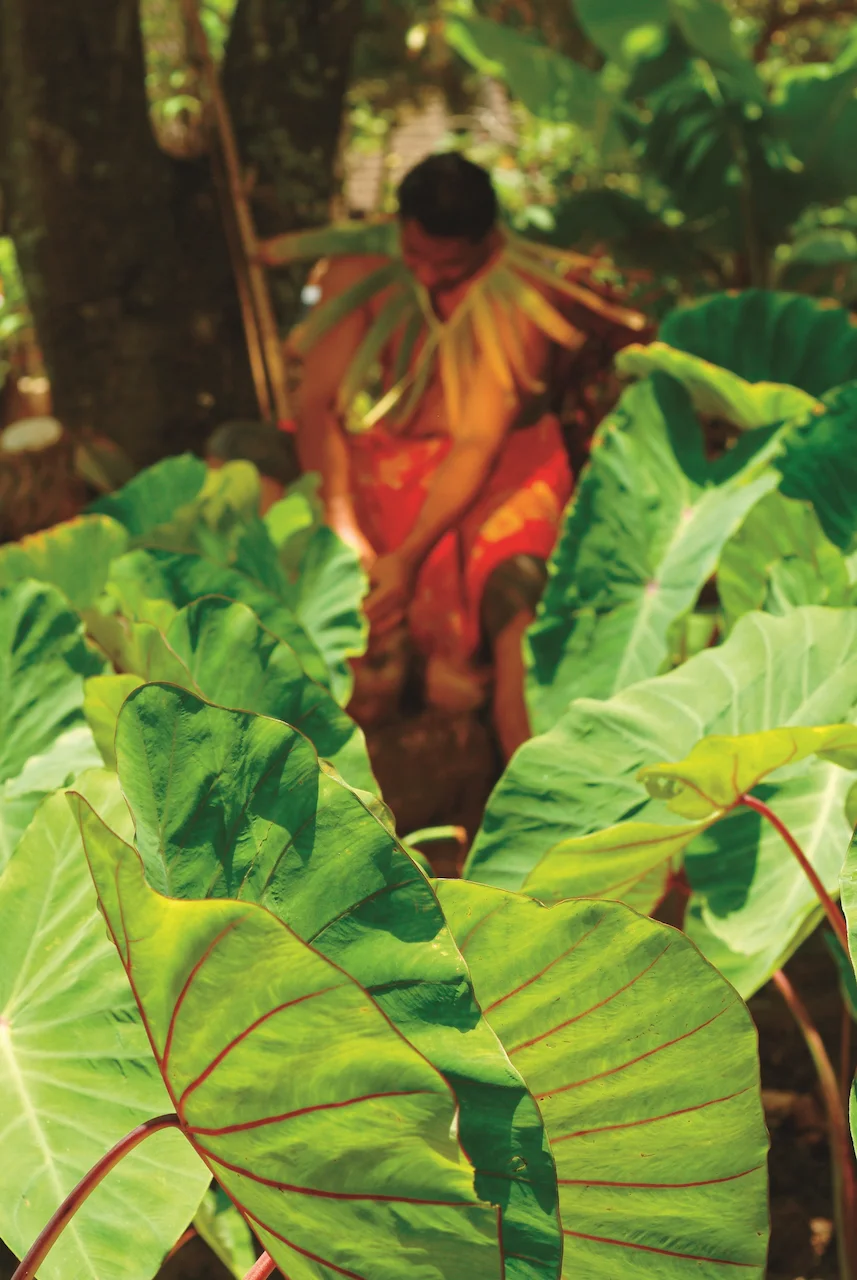
A Samoan chief or Matai attains his status based on food production, preparation, and eating within his village. The matai and his council (fono) assign tasks and quotas to villagers, ordering the number of taro plants to be grown, which men are to clear the bush, and women to weed and harvest. Each villager has his or her own garden, but is also responsible for working at the village garden plot.
The tunoa or Samoan kitchen was a man’s domain. Preparing and cooking food in the Samoan way is considered physically demanding, including the daily preparation of coconut meat and milk, which is essential in many Samoan dishes.
A faʻatoaga or Samoan garden is usually planted close to the tunoa, providing the family with staple foods such as sugar cane, bananas, taro, tapioca, sweet potato, and breadfruit. Cocoa is also grown in Samoa, prepared locally, and drunk full-strength. Pork, chicken, fish, and shellfish of all kinds are the most common meats.
How Samoans prepare and cook their meals
Samoans traditionally eat two hot meals a day: In the morning, they boil food over a fire, and in the afternoon, the men prepare an umu.
For faster preparation, Samoans often boil green bananas, taro, breadfruit, and other produce. Otherwise, they will bake their food in an umu or a covered steam oven. [Note, Hawaiians traditionally cook their food in an imu, which uses the same principle as a Samoan umu, but the imu is done in a hole in the ground, while an umu rests on top of the ground.
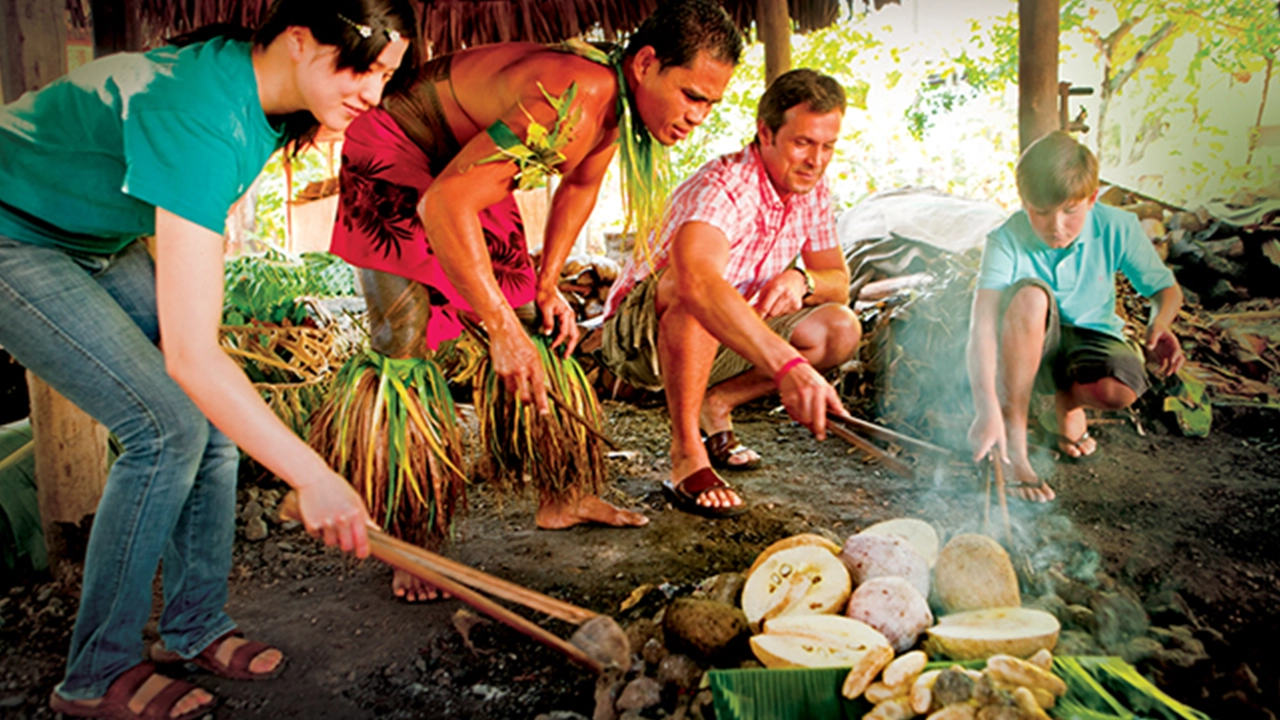
Once all the food is prepared, it must be cooked. A Samoan umu typically has four logs arranged in a square. Kindling and firewood go inside the square “box,” with the rocks piled on top. When the fire has heated the rocks until they’re white with ash, any remaining charcoal debris is pushed aside, and the food is carefully placed on the rocks. Fire-resistant leaves are used to sheath the food to protect it. The whole oven is then covered with banana leaves and other insulating materials. The food takes several hours to cook.