








Samoan Roasted Turkey Tails Recipe
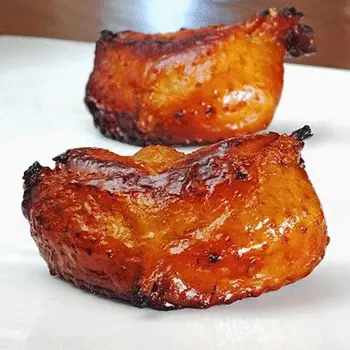
The secret to this simple approach is patience. Cook it long and slow to make the turkey tails both tender and delightfully crispy.
I discovered this little turkey tail delicacy years ago and have loved it ever since. In Samoa, turkey tails are a prized treat, and their rich history stretches far beyond the United States. Surprisingly, turkey processors in the U.S. found this part of the bird less popular domestically, but it became highly desired in Samoa, Ghana, and Micronesia, leading to overseas exports.
Note: Please enjoy turkey tails in moderation as a special treat, especially for occasions like Thanksgiving.
Ingredients
- 3 lbs turkey tail* (remove any quill ends of feathers using tweezers)
- 1 tbsp green onion, finely chopped
- 1 tbsp fresh garlic, finely chopped
- 1 tbsp rosemary, finely chopped
- 1 tbsp sage, finely chopped
- Salt and pepper, to taste
- *Dried herbs can be used if fresh are not available
Directions
- Make a mixture of green onions, garlic, rosemary, and sage. Lightly coat each tail with the mixture.
- Rub onto both sides of the tails. Sprinkle with freshly ground black pepper and coarse salt.
- Arrange tails in a single layer on a baking pan (preferably on a wire rack or oven-safe drain pan inside a roasting pan). If no rack is available, drain the fat every hour for crispiness.
- Place in oven at 225°F (107°C) and cook for 4–5 hours, depending on the size of the tails. Small tails are 3–4 inches wide; large tails are fist-sized.
A wire rack allows the meat to bake rather than boil.
Learn More
For a detailed article on why turkey tails are a Samoan favorite, read the Smithsonian Magazine article.
About the Author
Nina Jones, a mainland gal turned Islander, has lived in La’ie with her husband of 41 years. She previously served a mission at the Polynesian Cultural Center and now works in its Marketing Department. Her hobbies include swimming, traveling, and writing about Polynesian culture and cuisine. Nina’s blogs explore the history, beliefs, and practices of Polynesia, with delicious recipes as a bonus.