






How to Rainproof a Samoan Fale
Q: What did the Samoans who traditionally lived in open-sided fale or houses do when it rained heavily?
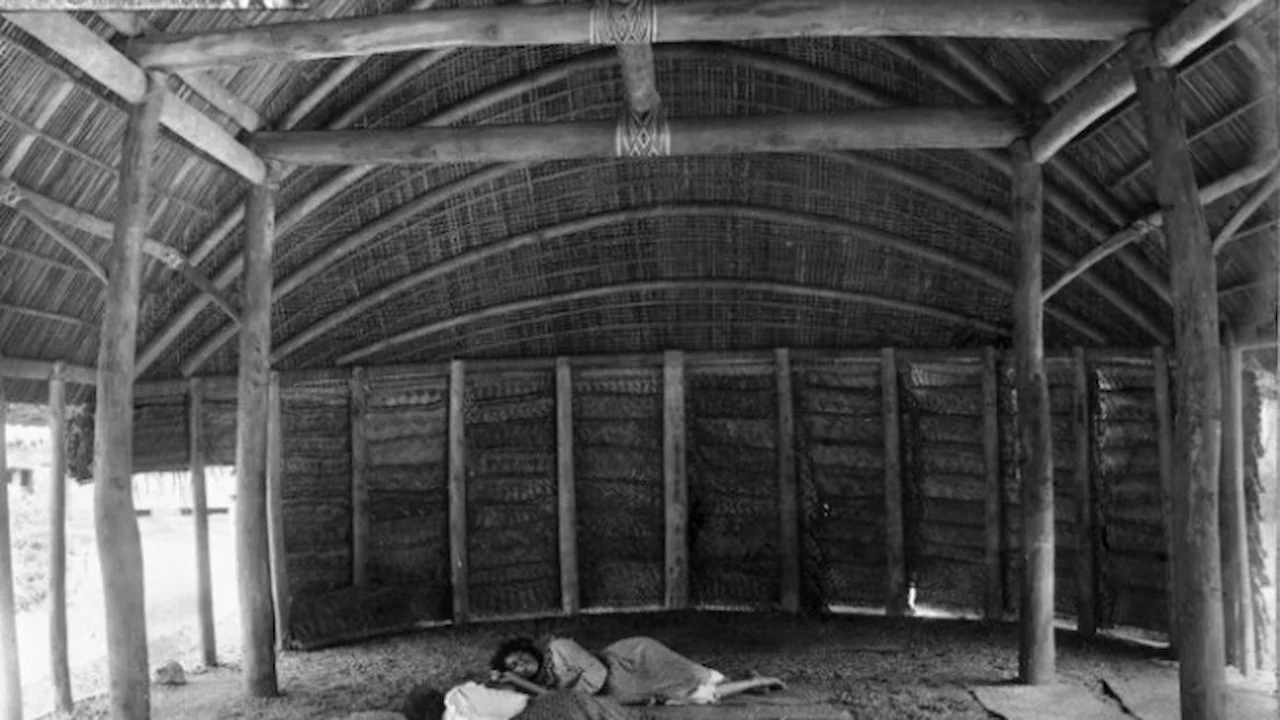
A: Centuries ago, the old Samoans figured out a way to weave a series of pola or “blinds” made from coconut-leaf fronds that were layered side-to-side and tied together with ʻafa — sennit cord braided from coconut husk fibers. These were then hung from the inner, upper edges of the fale and could be lowered as needed to block most of the rain, then raised again. Often, only the pola on the side of the fale where the prevailing wind blew would be lowered, while the rest of them remained tied up.
Tongan Approach to Weather Protection
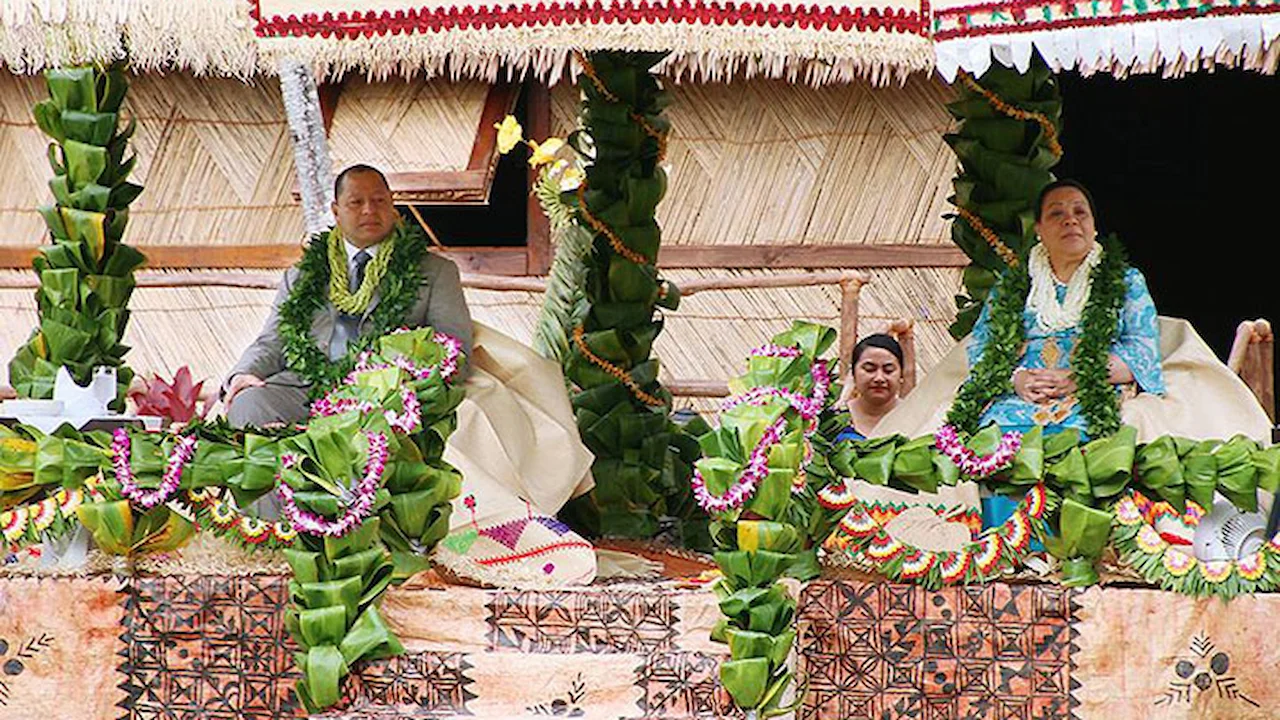
On the other hand, since traditional Tongan and Fijian houses (fale and bure, respectively) usually have walls made from split bamboo, the Polynesians on those islands long ago devised window shutters which could be opened or closed as needed.
Samoan pola were also used to block winds, but in the case of the occasional hurricanes, which sometimes struck the various Polynesian islands, some Polynesian people would actually try to anchor their fale by tying secured ropes over the tops. Before contact with the Western world, such ropes were made by braiding ever-thicker strands of ‘afa together (sometimes producing ropes as thick as a hawser).
In extreme hurricane cases, especially in beachside villages and on low-lying atolls — such as in parts of Tahiti and the Cook Islands — the people were known to tie themselves to the tops of flexible coconut trees and hope for the best.
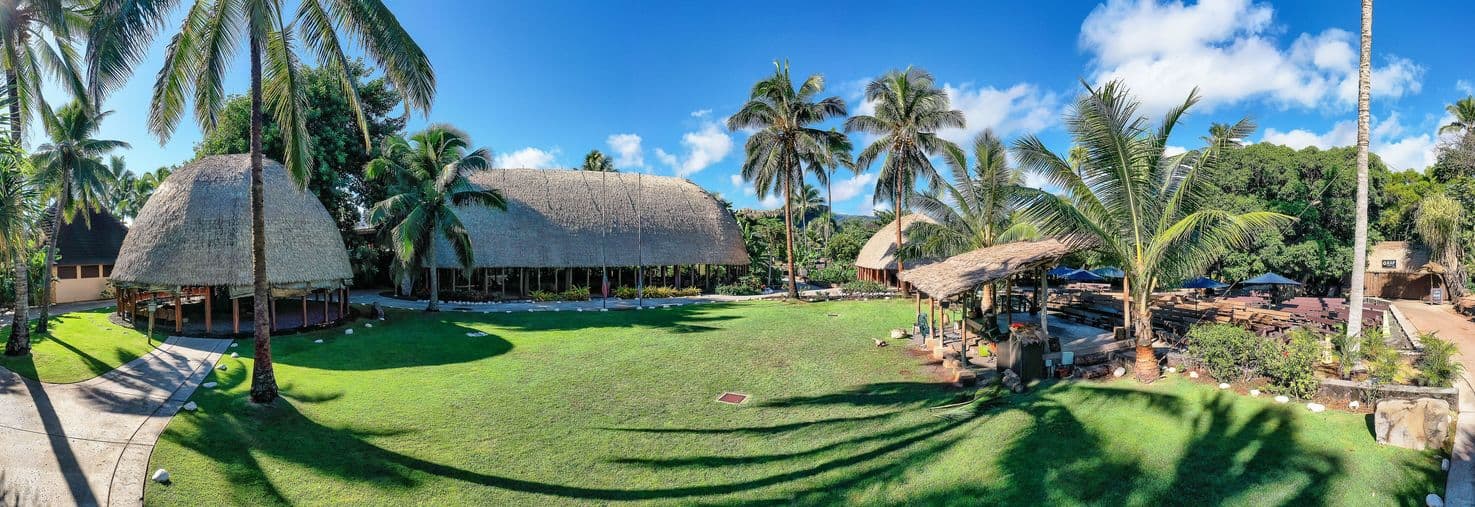
Next time you enter one of our Samoan Village fale, take a look for the pola weather blinds.