








Tā Moko: The Art of Māori Tattooing
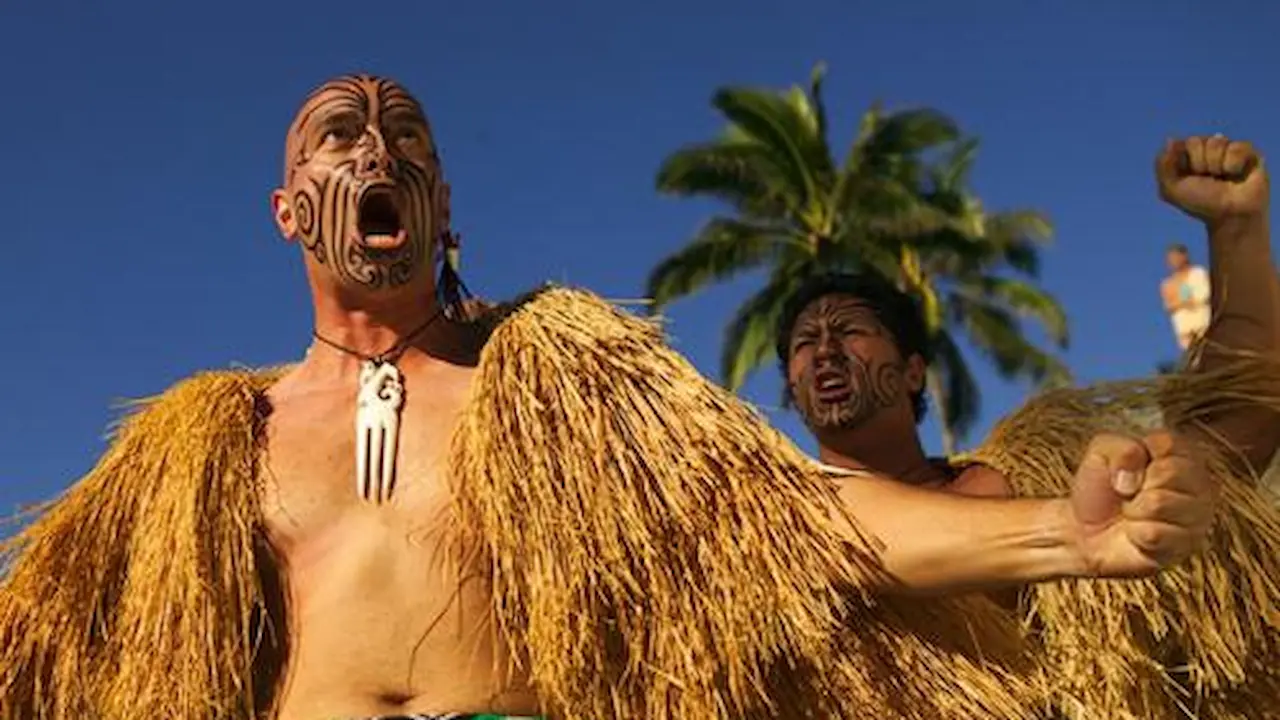
Significance of Traditional Māori Tattoos
Ever since I read Keri Hulme’s The Bone People, I have been fascinated with Māori symbols and tattoos, particularly the meanings and significance behind each line of the work. The facial tattoos might be intimidating at first, but the patterns are captivating.
According to Robbie Whitmore, the head [in ancient tradition] was considered the most sacred part of the body. All high-ranking Māori were tattooed, and those who went without tattoos were seen as persons of no social status.
The moko serves as an ID, reflecting the wearer’s rank, status, power, position, and lineage.
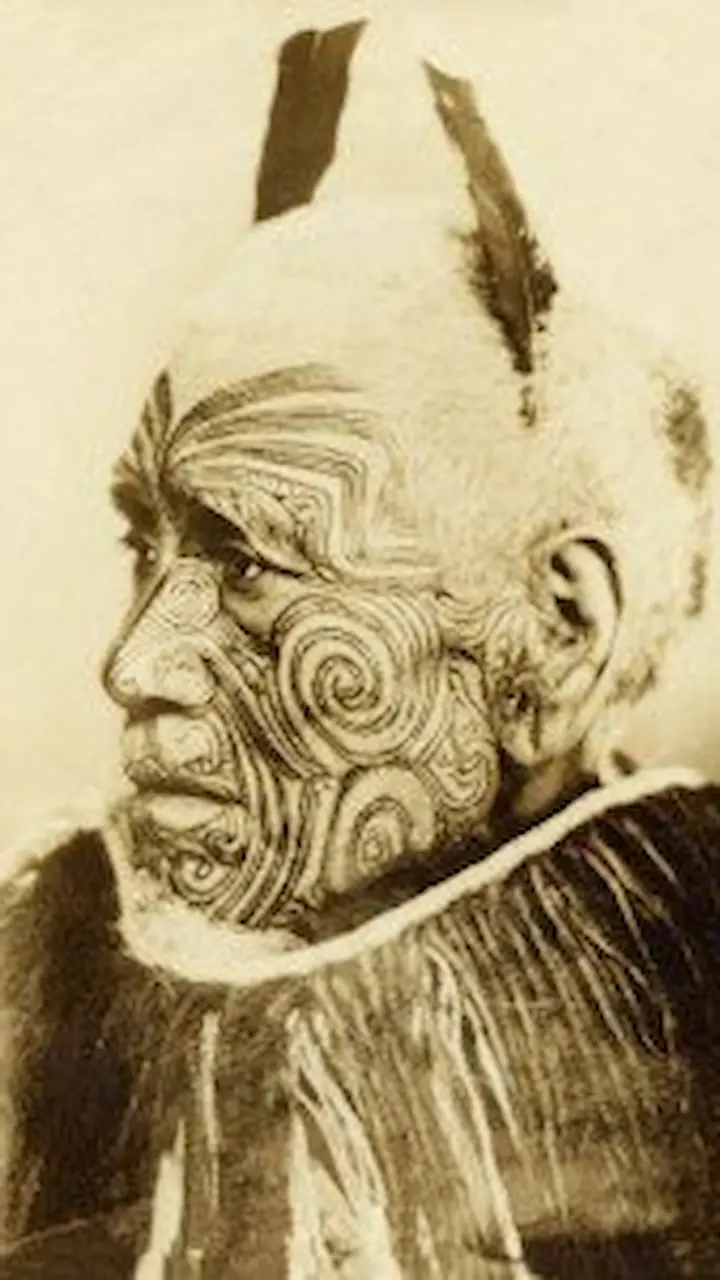
Facial Moko Sections for Males
Whitmore explains that male facial Moko are traditionally divided into eight sections:
- Ngakaipikirau: center forehead; identifies wearer’s rank
- Ngunga: around the brows; identifies wearer’s position
- Uirere: eyes and nose area; identifies the wearer as the basic political society rank
- Uma: temples; shows if the wearer is in their first or second marriage
- Raurau: area under the nose; signature of wearer
- Taiohou: cheek area; recognizes wearer’s line of work
- Wairua: chin; acknowledges wearer’s mana (achievements)
- Taitoto: jaw; wearer’s birth status
Each side of the face expresses lineage and ancestry. Typically, the left side represents the father’s side and the right side the mother’s. Descent is a foremost requirement before a Moko can be undertaken; the absence of rank or ancestry is reflected in the design. Symmetry is rare.
Designs and Symbolism
Common designs include:
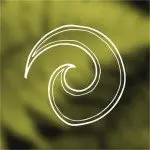
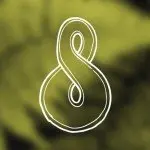
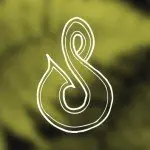
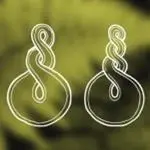
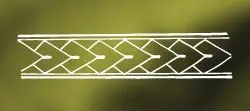
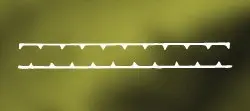
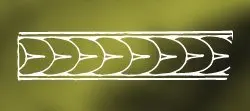
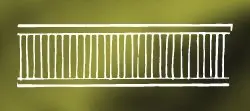
The designs have expanded beyond tattoos to everyday items, such as carvings, weapons, and clothing. Wood and jade are common materials believed to hold ancient and positive energy.
*Note: Moko refers to the tattoo itself; Tā moko is the action of tattooing.