








The Origins of the Ukelele: Hawaii's Iconic Instrument

I’ve loved living in Hawaii and learning to play the ukulele. There’s something magical about sitting down with this small instrument and strumming a few chords. It’s always a strummin’ good time!
This fascinating instrument sparked a curiosity of its origins. Was it invented in Hawaii? And if not, how did it become such an iconic part of Hawaiian culture?
What Does the Word "Ukelele" Actually Mean?
Hawaiians tell me that the word “ukelele” in Hawaiian means “jumping flea”. That left me scratching my head as to why a fun instrument like the ukelele would be named after a small, annoying bug?
Some say it is because of Edward William Purvis, a small, agile English army officer who served at the Hawaiian court and was dubbed “ukelele” because his fingers “flew” across the strings.

Others say that Queen Liliuokalini, Hawaii’s last reigning monarch and a talented musician in her own right, said that the uke probably comes from the Hawaiian words for “the gift that came here”. No one really knows for sure but just saying the word “ukelele” makes me smile as it rolls off my tongue.
The Origins of the Ukelele
This iconic instrument found its beginnings in the country of Portugal, as a machete (or braguinha). It was a simple, three stringed instrument that was commonly played at social gatherings and folk dances.
In 1879, four musicians made their way from the Portuguese island of Madeira to Honolulu, Hawaii, bringing with them their instruments. Their names were Manuel Nunes, Augusto Dias, and Jose do Espirito Santo. They not only played, but also were cabinetmakers with woodworking skills. Their names have become legendary as they started not only crafting ukeleles but delighting people with their nightly street concerts.
Saved by a King!
King David Kalakaua nicknamed “the Merrie Monarch” by his electors, loved the ukelele. He learned to play this little gem of an instrument and featured it at many of his royal parties, shindigs, and hula performances. Soon everyone wanted to be as cool as the king and rushed out to buy a ukelele.

And so, this instrument was boosted from being played in run down immigrant neighborhoods to being in the center of Hawaiian culture because of a Monarch who loved the sound of it. Long Live the King!...and the ukelele!
The Roaring Twenties
The ukulele's popularity exploded during the Roaring Twenties, becoming one of the defining musical symbols of the Jazz Age. Its cheerful sound perfectly matched the upbeat spirit of the era, when people were embracing new styles of music, dance, and entertainment. Unlike many instruments that required years of training, the ukulele was simple to learn, lightweight, and affordable.
As demand grew, manufacturers across the United States rushed to produce their own versions of the instrument. Music stores stocked ukuleles in a variety of styles and price ranges, making them accessible to people from all walks of life.
By the mid-1920s, the ukulele had become a household favorite, appearing in vaudeville shows, radio programs, and popular music recordings. What began as a Hawaiian import had evolved into a nationwide sensation, firmly securing its place in American music history.
Welcome Back!
Just when it seemed the ukulele might fade into the background of music history, a new generation of musicians helped bring it back into the spotlight.
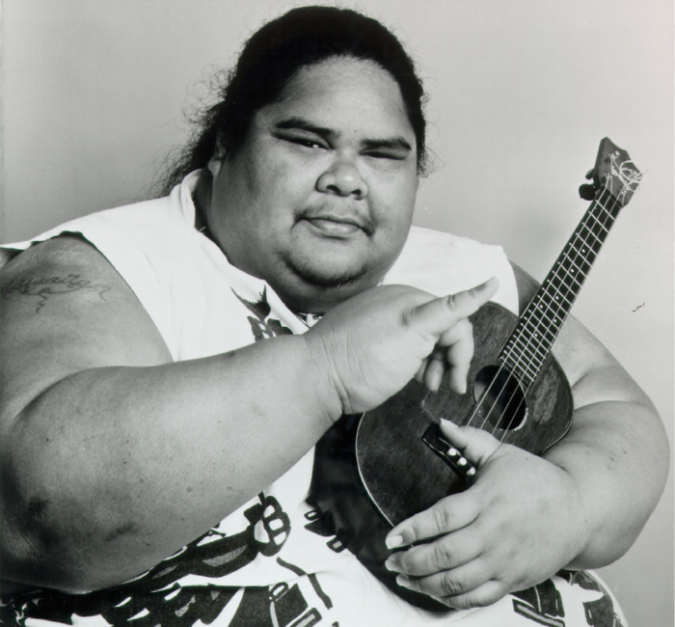
One of the most influential was Israel Kamakawiwoʻole, affectionately known as "Bruddah Iz." His heartfelt medley of Somewhere Over the Rainbow and What a Wonderful World introduced millions of listeners to the beauty and simplicity of the ukulele.
Throughout the 1990s and beyond, his music appeared in movies, television shows, and commercials, captivating audiences around the world and inspiring many to pick up the instrument for themselves.
Another modern ukulele ambassador was Jake Shimabukuro, whose incredible talent showcased just how versatile the instrument could be. Whether performing Hawaiian melodies, classical pieces, or Beatles songs, he demonstrated that the ukulele was capable of far more than a few simple campfire tunes.

The rise of YouTube and online learning platforms further fueled the ukulele's resurgence. Beginners discovered they could learn popular songs such as Train's Hey, Soul Sister alongside Hawaiian classics like Aloha ʻOe and Tiny Bubbles.
Aloha in Every Note
Today, whether it is being strummed on a beach, at a family gathering, or in someone's living room across the world, the ukulele continues to bring people together. It reminds us that making music doesn't have to be complicated. Sometimes all it takes is four strings, a few chords, and a willingness to have fun.
More than a century after arriving in Hawaiʻi, the ukulele remains a beloved symbol of aloha, friendship, and the joy of sharing music with others.