








Waikīkī to Lāʻie – 35 Miles and a World Apart
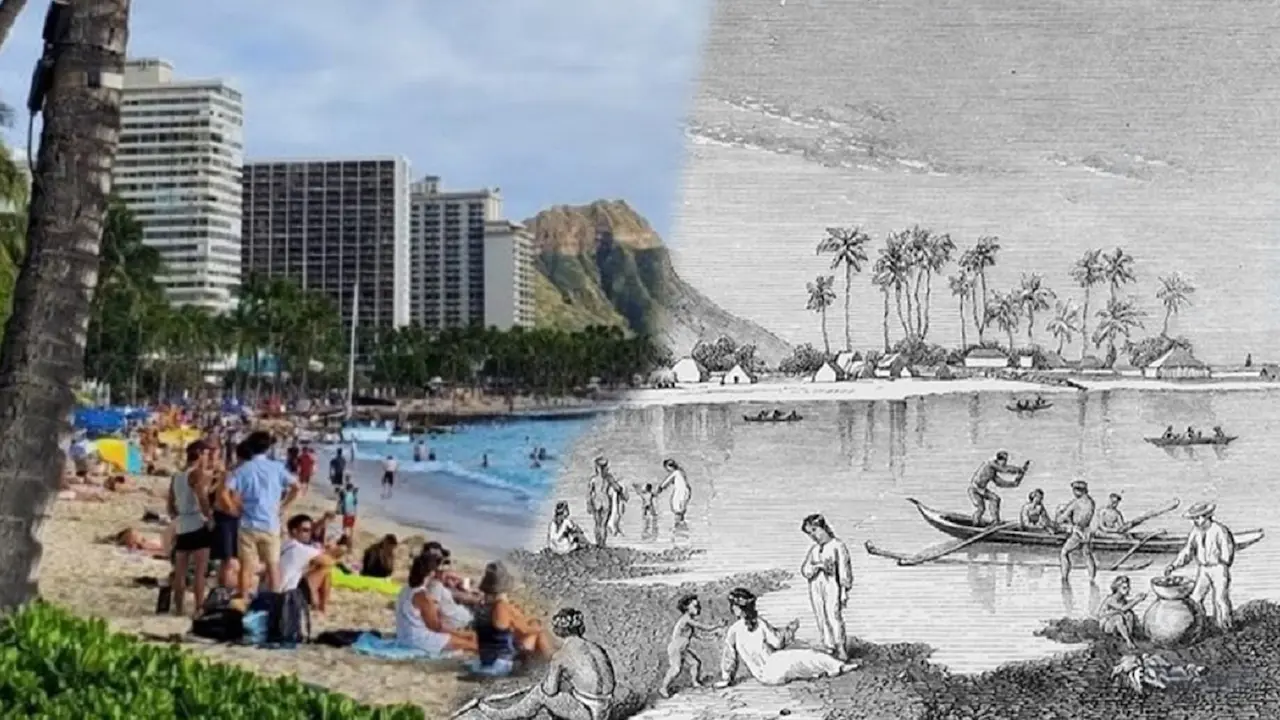
Waikīkī’s history extends far back. Rising from a swampland, Waikīkī, which translates to “spouting waters,” offered a protected beach, multiple water sources, and good, flat ground to build fishponds and taro fields. It was an easy choice for this area to become the cultural and governmental center of the island under Chief Kalamakua in the 1400s.
Waikīkī: 14 square miles packed with aloha
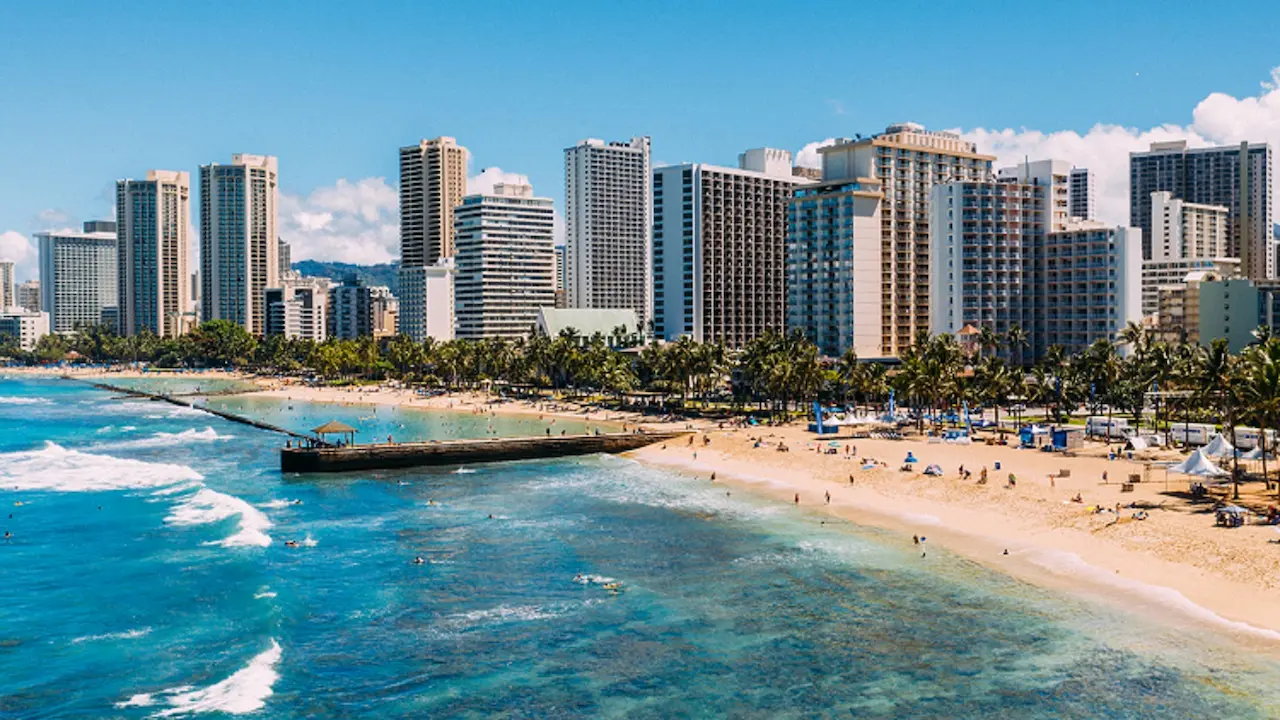
Today, we find a thriving and crowded tourist and commerce center, which provides more tourist activities per square mile than anywhere else on any of the Hawaiian Islands.
The most predominant area is the famous Waikīkī Beach, a great place to play day or night, offering sand, waves, entertainment, and a great spot to learn how to surf. Just remember that water shoes are the norm since coral rocks dot the entire area, which is not fun to step on barefooted!
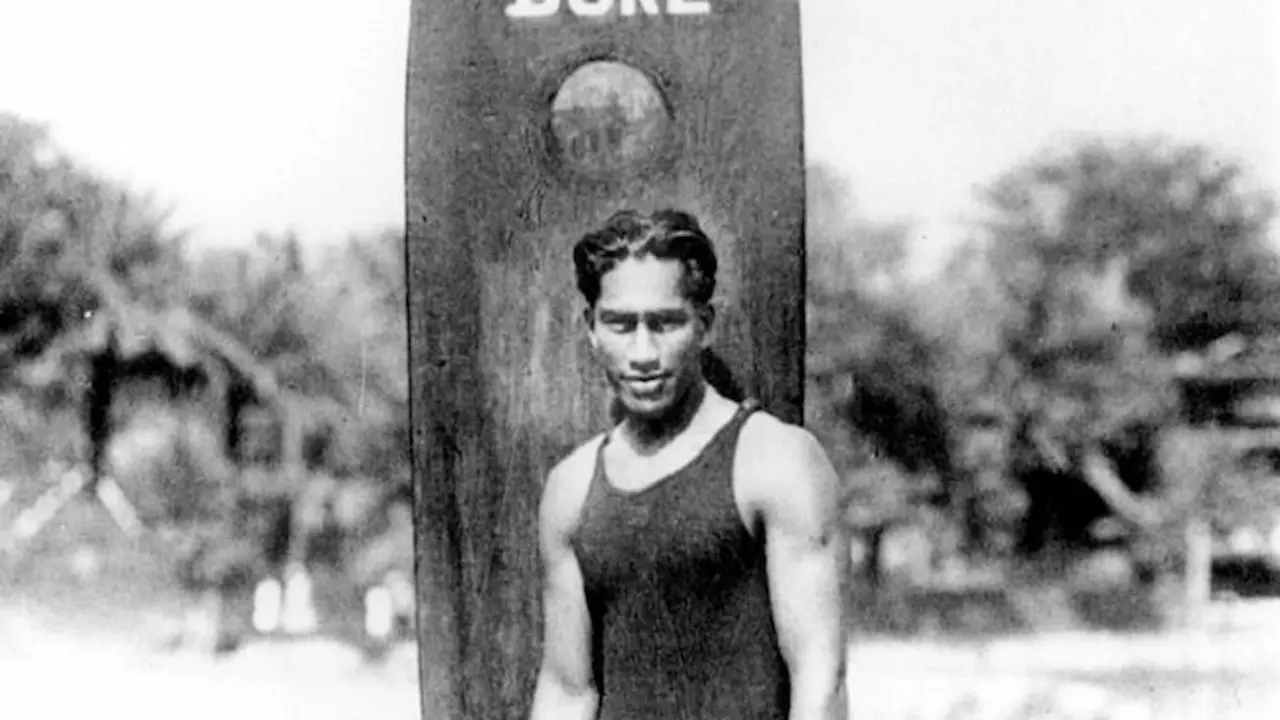
As Oʻahu entered the age of international travel, it became the ‘go-to’ site for tourists seeking a few days in paradise. Surfing, truly Hawaiian-born, became a worldwide sensation due to one Waikīkī local, Duke Kahanamoku—a Hawaiian native, actor, cultural spokesperson, Honolulu Sheriff, and multiple Olympic medalist in swimming and water polo. He traveled around the globe to promote the ‘sport of kings.’ By the 1950s, Waikīkī was known the world over for both its active day and nightlife scenes.
Considering that most visitors will utilize one of the over 30,000 rooms available around Waikīkī Beach, it is most likely that you will find yourself exploring the sights, sounds, and tastes of this beachside metropolis. There is relative safety in being among the crowd, but remember that there is an elevated homeless population on the island—keep your valuables protected and close to you at all times.
For those interested in finding accommodations in a more rural section of Oʻahu, click here for a review of available lodging along the North Shore.
A few recommendations in Waikīkī:
- There is an amazing street market along Kalakaua Ave., which is the main road running along Waikīkī Beach, every Friday evening in the summer. It starts at the Moana Surfrider and extends to the west for a few blocks. This closes the area to any traffic, so plan accordingly.
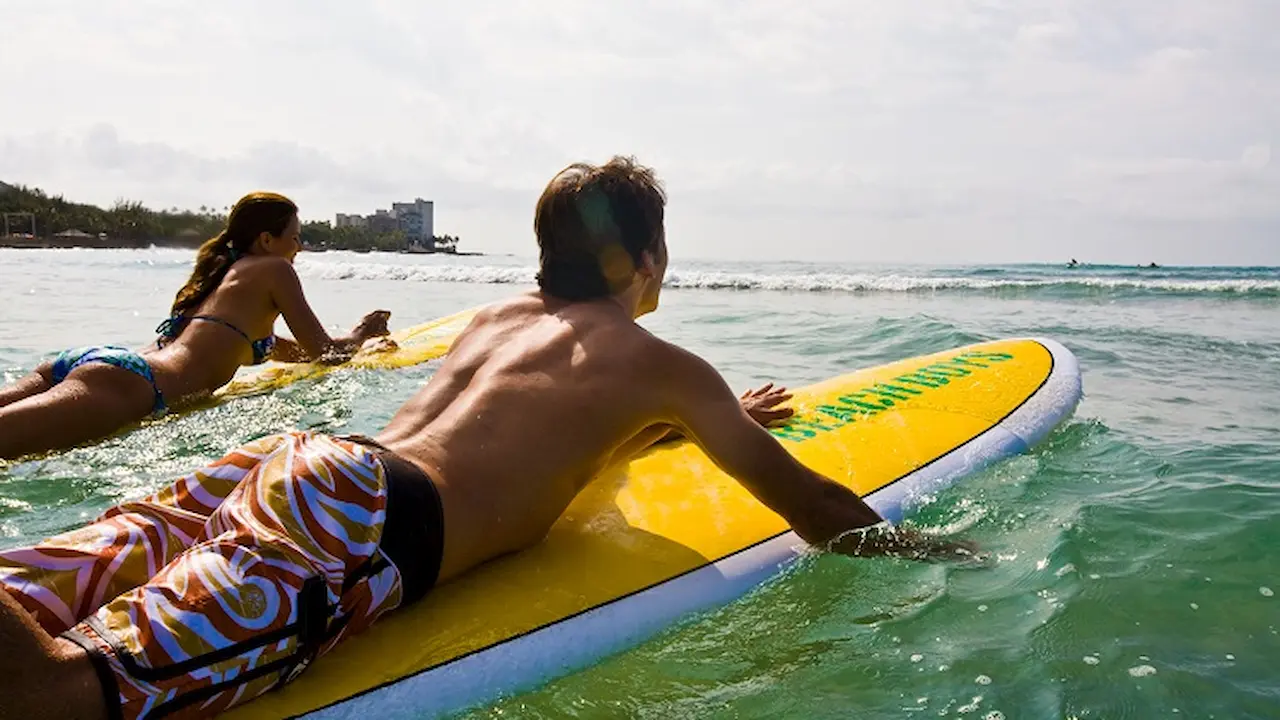
- You can get an easy surf lesson straight out from the main police station along Waikīkī Beach (just to the left of Moana Surfrider Hotel). There are a few vendors to choose from in that area.
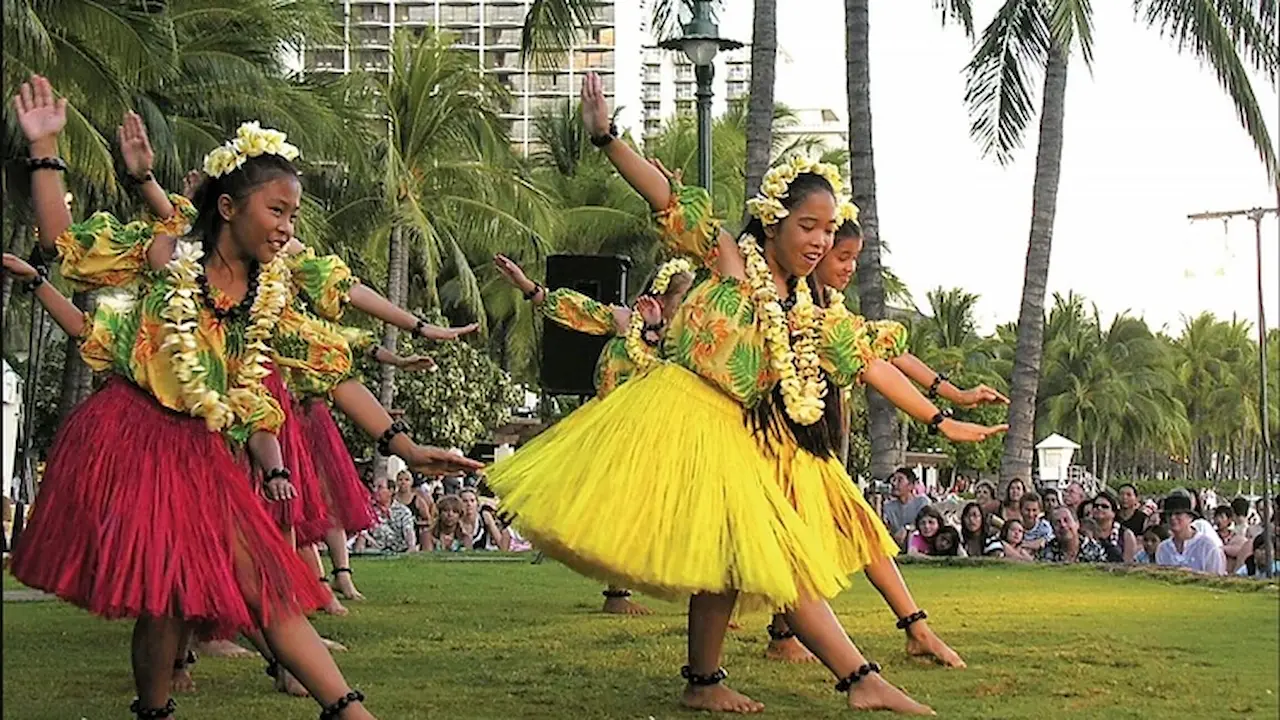
- A free hula presentation is held every Tuesday, Thursday, and the last Saturday of each month in the early evening at Kuhio Beach. Look for the performance area near the Duke Kahanamoku statue across from the Hyatt Regency Waikīkī. Find out more here.
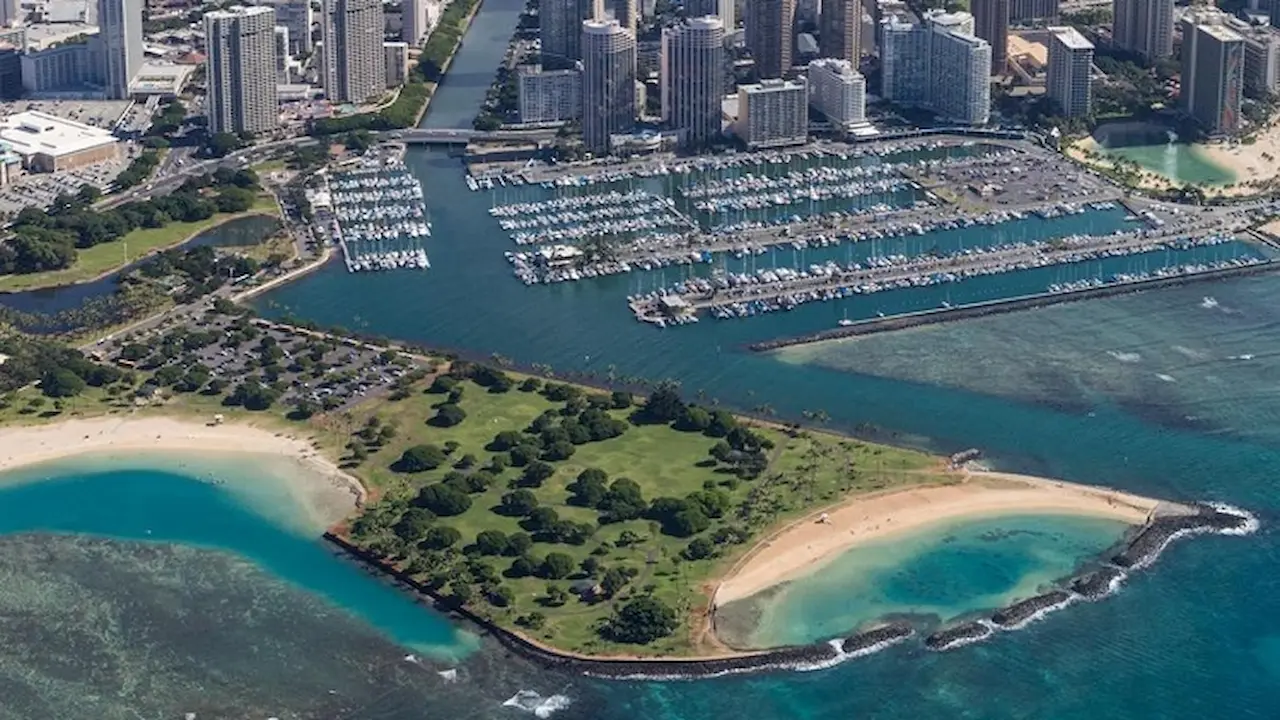
- For a relaxed area perfect for families, joggers, skaters and sunset yoga classes, go to Magic Island Park. This is a small but popular man-made peninsula adjacent to Ala Moana Beach Park and the Ala Wai Yacht Harbor where you will find a protected lagoon, and grassy park.
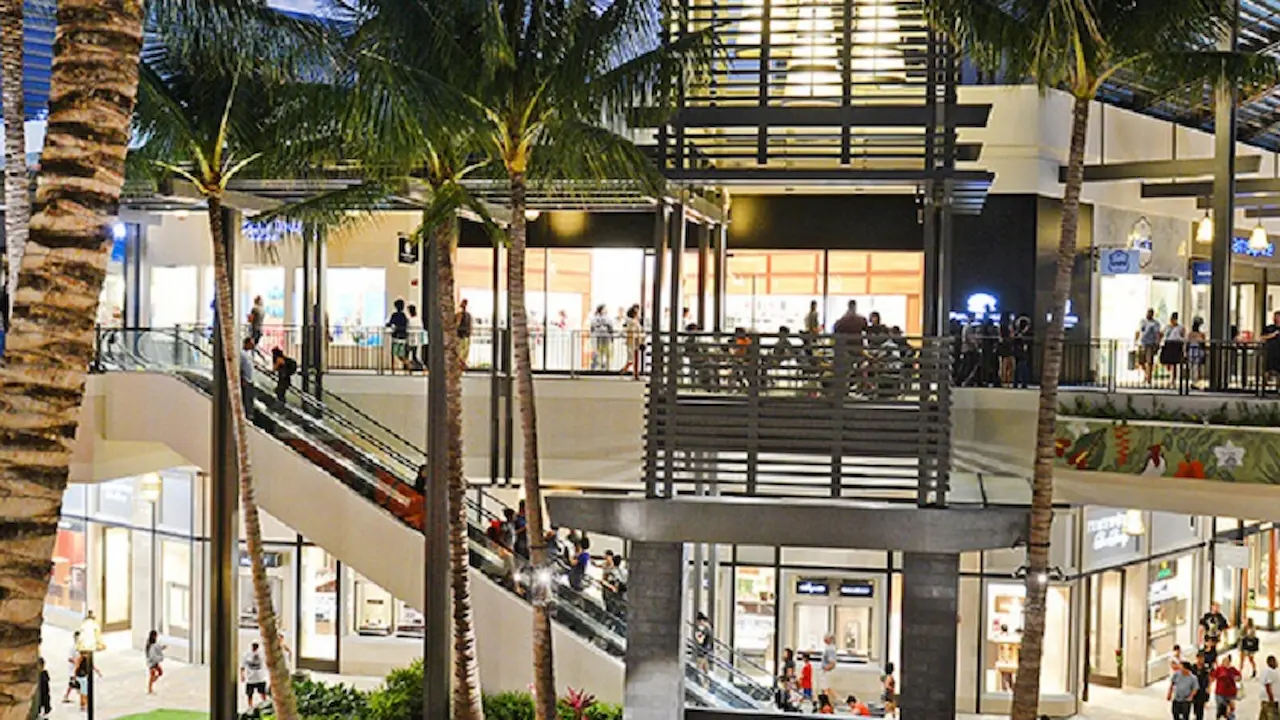
- If shopping is on your list, head to the Ala Moana Shopping Center—Hawai‘i’s largest mall. It’s a four-story outdoor shopping complex featuring everything from high-end stores like Neiman Marcus and Prada to a three-story Target.
Waikīkī vs. Hukilau Beach
Comparing Waikīkī to the beaches surrounding the community of Lāʻie, where the Polynesian Cultural Center is located, is like comparing Los Angeles to Santa Cruz. But let’s try. We’ll use Hukilau Beach Park at Lāʻie Bay (which locals just call Hukilau). Both beaches are among the island’s favorites for playing in the waves, body surfing, or catching some rays.
Obvious differences
Waikīkī offers everything within easy walking distance, including public restrooms, restaurants, countless stores, sports rental kiosks, and hundreds of hotels.
Hukilau has a more laid-back, 1950s vibe. There are no restrooms, though facilities are available at the Polynesian Cultural Center and the Lāʻie Shopping Center. An outdoor shower is provided. There is one hotel—the Courtyard by Marriott Oʻahu North Shore—and a few rentals. The beautiful Turtle Bay Resort is just six miles north. Nearby dining options include Ken’s Fish and the world-famous Hukilau Café (both offer take-out only and are closed Sunday and Monday). Ken’s Fish opens around 11 a.m. and closes around 4 p.m., while Hukilau Café serves breakfast and lunch on Fridays and Saturdays. Additional food options can be found at the Hukilau Marketplace, just one mile away.
Most obviously, Waikīkī is constantly crowded, while Hukilau is wide open. Note that the parking lot at Hukilau, which is free (another big difference from Waikīkī), is locked from 8 p.m. to 6 a.m. Don’t risk getting stuck overnight—once it starts getting dark, it’s time to head out.
Activities along Waikīkī include barbecue grills, volleyball nets, and even a zoo and aquarium. Hukilau is a simple, no-frills park that offers the chance to relax and enjoy a great day in the sun.
About the Author
Nina S. Jones, a mainland gal from way back, is now a transplanted Islander. With her husband of 39 years, she volunteers at the Polynesian Cultural Center. Her hobbies include swimming, traveling, studying, and writing about what she is learning from the various Polynesian cultures. Her blogs focus on their history, beliefs, practices, and— as an added bonus—delicious food! To her, Polynesia is not just a place to visit; it is a way to live, and she is very honored to be part of this amazing world.