








Whare Tupuna: Symbolism, Origins & Cultural Significance
Meaning of the Whare Tupuna
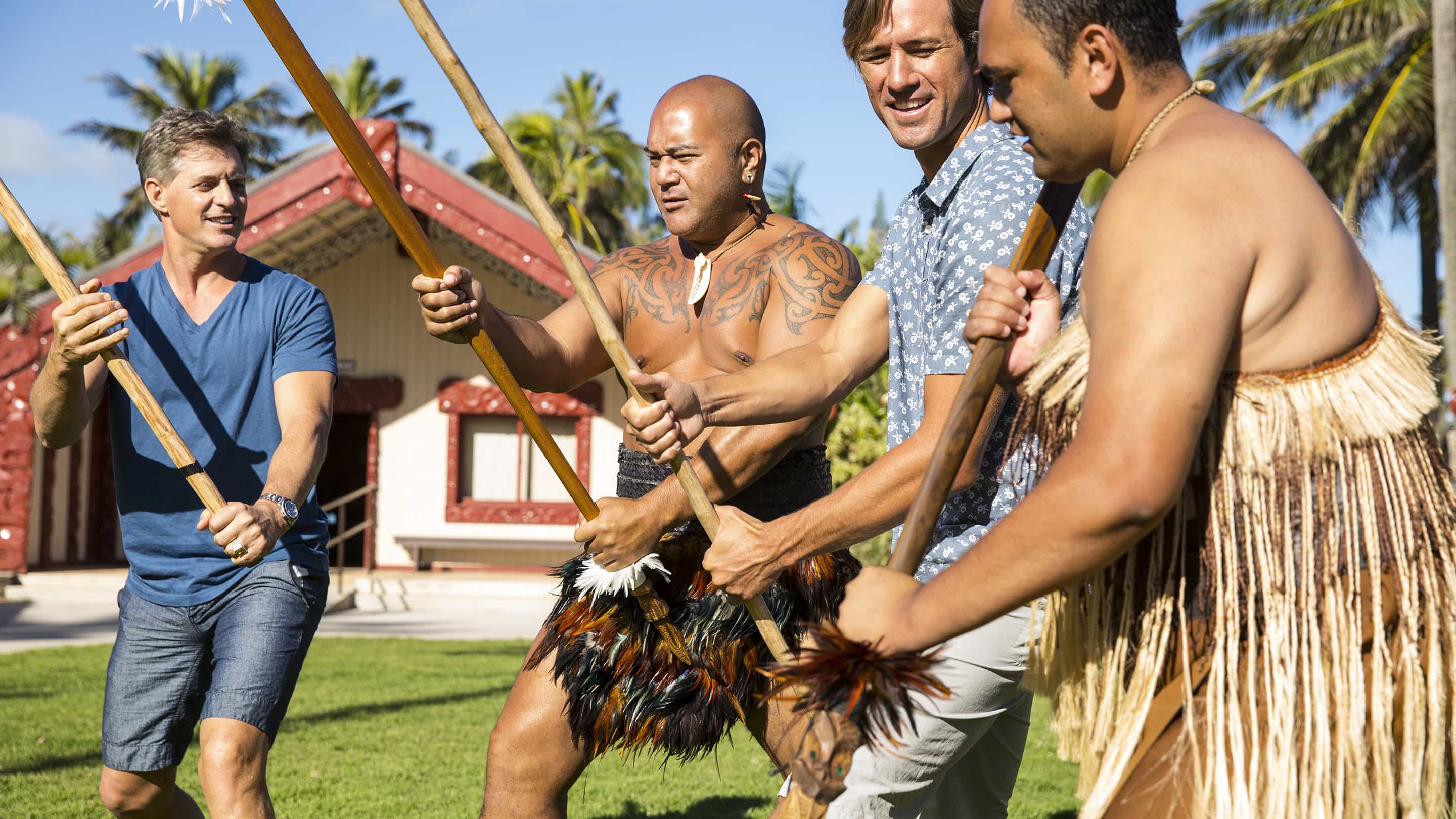
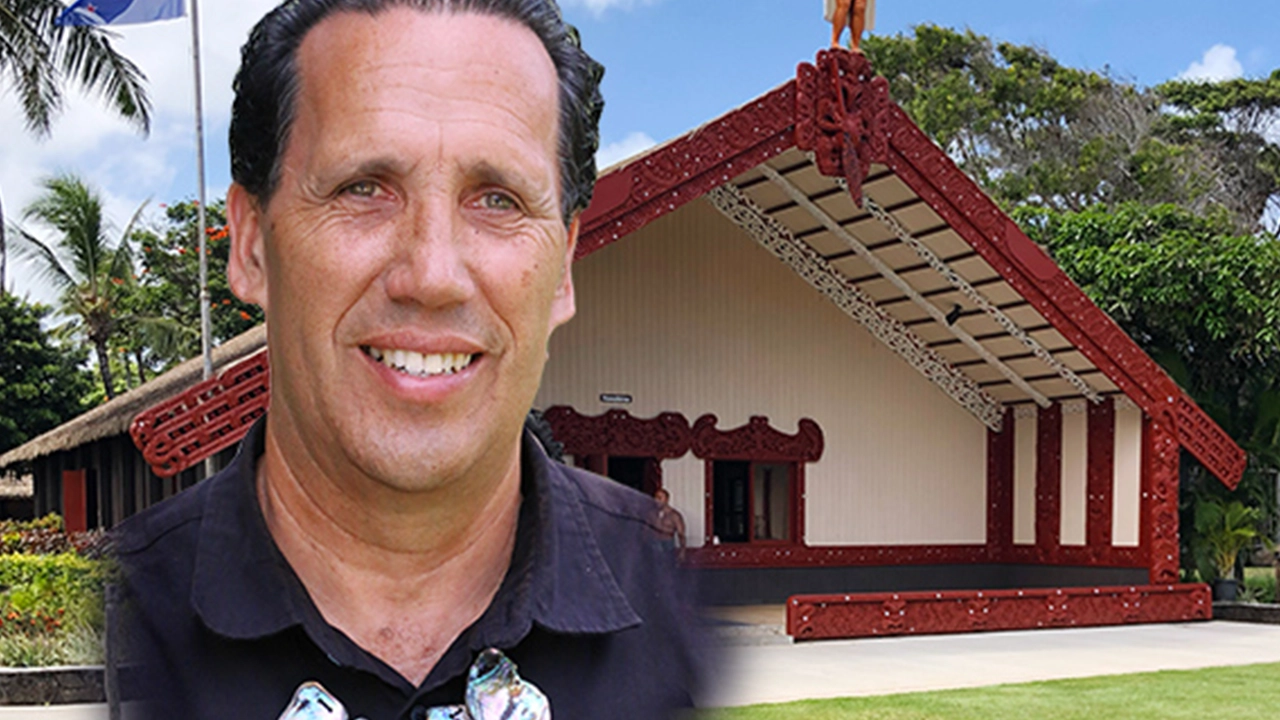
The Māori whare tupuna, or ancestral meeting house that dominates the Aotearoa Village, is perhaps the most symbolic structure in the entire Polynesian Cultural Center.
These buildings memorialize great leaders
Kim Makekau, Aotearoa Village manager, recently explained several key points he hopes all Polynesian Cultural Center visitors learn about the whare tupuna:
Each ancestral meeting house, in the main, is named after a significant common ancestor of that particular tribal area. That’s where you want to start from. These buildings memorialize great leaders. Their descendants down through the generations are portrayed in carvings both inside and outside of the house, along with their histories, genealogies, and mythologies surrounding their lives.
Our whare tupuna here is named Hawaikiroa, who was a common ancestor to the Polynesian people.
Even more astounding symbolism
Makekau pointed out the PCC’s whare tupuna also embodies even more astounding insights:
The building actually takes on and portrays the physical anatomy of a human.
For example, the apex of the house represents the head. You can see the eyes, nose, mouth, and tongue. The shoulders and arms are the maihi or bargeboards, and they represent the outstretched arms of the ancestor. At the end of the arms at the edges of the house are the raparapa, which represent the hands and the fingers. Together, the outstretched arms and hands symbolize welcoming visitors into the house.
There's also a tāhuhu or ridgepole running the length of each house. Typically painted these days, it represents the backbone or spine of the ancestor. And the heke or rafters coming down from the "spine" represent the rib cage.
Makekau pointed out the Māori word rara actually means ribs, but heke also means to descend
, so the symbols portrayed there are koru referring to new life regenerated. They represent the genealogical descent lines that come from the common ancestor down through the generations to the carved figures.
Makekau continued,
Their oral histories were maintained, especially if they were ranking figures. There would be people who knew the genealogies, and oftentimes these genealogies were used to maintain peaceful relationships with other people, simply because we were usually related. Why should we try to kill each other? Let’s find peaceful solutions. A connection through genealogy brings a sense of unity and belonging.
PCC's meeting house is just one of five outside of New Zealand
Makekau also explained that the Polynesian Cultural Center’s whare tupuna is especially significant because it is only one of five such carved meeting houses that are currently located outside of New Zealand.
For example, Hawaikiroa and the smaller Kupe house on the side have been in Lāʻie since they were put up in August 1963. “They were shipped over from New Zealand and assembled here in preparation for the opening of the PCC in October that year.”
He said the other three are at the Field Museum in Chicago; Clandon Park in Surrey, England; and the Museum für Völkerkunde in Hamburg, Germany. There was another one that was in Australia, but it’s now back in New Zealand.
So, the next time you visit the Aotearoa Village at the Polynesian Cultural Center, take a closer look at the unique details that are such an important part of our whare tupuna.