








Hawai'i
Kauhale Project
Groundbreaking
On Saturday, October 3, we broke ground on the next chapter of our Hawaiian Village—a living kauhale where traditional agriculture, native plants, and mālama ʻāina come together to honor the past and inspire generations to come.
Saturday, October 3, 2026 · Lāʻie
We Broke Ground
Guests, villagers, and Polynesian Cultural Center leaders gathered in the Hawaiian Village to break ground on the Hawaiʻi Kauhale Project. With hula, live Hawaiian music, and the arrival of a canoe, we celebrated the start of a new chapter rooted in mālama ʻāina.
Relive the morning in the highlights below.
Highlights · Hawaiʻi Kauhale Groundbreaking Ceremony
Moments from the Ceremony
Select a photo to view it larger.
Watch · The Kauhale Project
A New Chapter for the Hawaiian Village
In old Hawaiʻi, the kauhale was the heart of family life—a cluster of hale, each with its own purpose, where generations lived, worked, and cared for the ʻāina together.
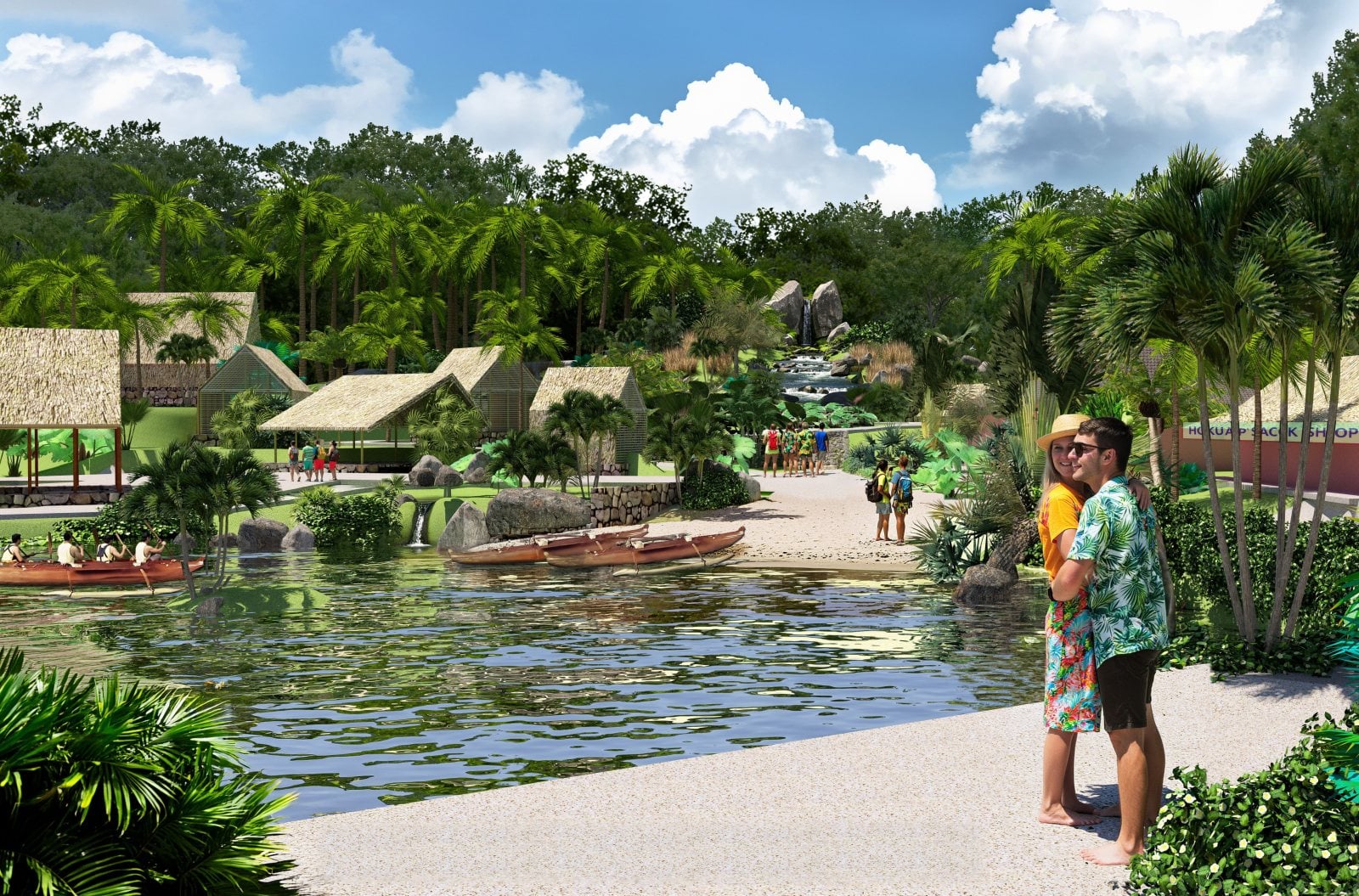
The Hawaiʻi Kauhale Project carries that legacy forward. As we expand our Hawaiian Village, we’re bringing traditional agriculture, native plants, and mālama ʻāina to life for every guest. We broke ground on Saturday, October 3. Watch the story behind the project, then take a first look at what’s ahead.
Take a first lookThe Hawaiʻi Kauhale Project · Polynesian Cultural Center
A First Look
Where the Water Leads
Lāʻie, a puʻuhonua of the past, remains a place of refuge for all who visit and live here. As we expand the Kauhale Hawaiʻi, we will highlight the aloha of pre-contact Hawaiʻi through uka to kai sustainability and mālama practices—on land, in fresh water, and in the ocean.
Traditional agriculture and aquaculture, voyaging, near-shore transportation, surfing, and the celebration of makahiki all reflect aloha kekahi i kekahi—the aloha between each other that sustained pre-contact Hawaiʻi and remains critical for ko kēia ao nei, our Island Earth.
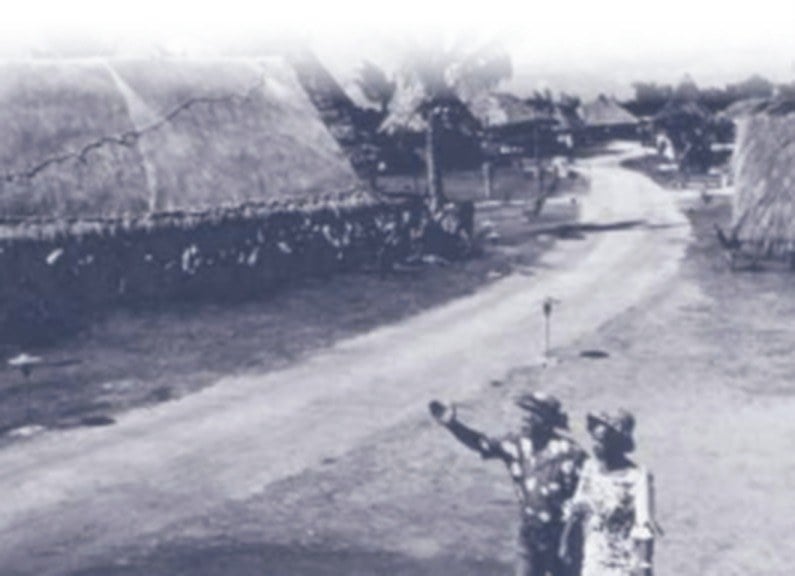
Honoring the past,
Looking to the future
As we expand the Hawaiian Village, we are committed to creating a place that reflects the deep Hawaiian relationship with ʻāina—the land that sustains us. Sustainability is an expression of mālama ʻāina, caring for the land and resources while honoring the wisdom of those who came before us and protecting them for generations to come. Through traditional agricultural practices, native plants, responsible use of water and resources, and the renewal of the land, the expanded village will demonstrate how cultural knowledge and modern stewardship can work together. We hope to inspire our guests to consider their own kuleana, or responsibility, to care for the world around them.
By learning from the past and caring for the present, we can help create a more sustainable future for our ʻāina, our culture, and generations yet to come.