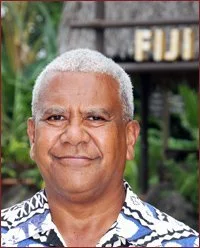







Fijians Share Several Unique Cultural Aspects with Hawaiians
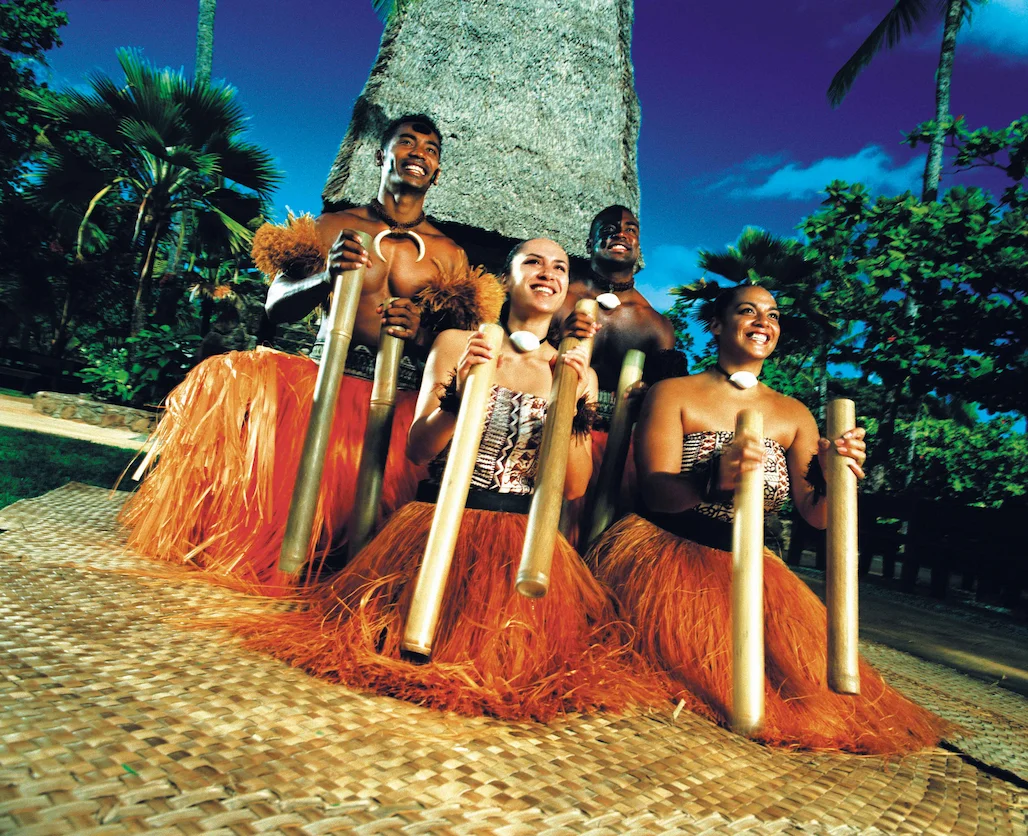
During a recent retirement farewell event for former Hawaiian cultural specialist Keith Awai (View video from this great celebration), PCC Fijian Village chief Ratu Seru Inoke Suguturaga noted that while Polynesians share many similar cultural aspects among the various island groups, there were at least three things that were unique to only the Fijians and Hawaiians:
Fijian Derua and Hawaiian Kaʻekeʻeke (Bamboo Percussion Tube Instruments)
Suguturaga explained that both Fijians and Hawaiians use varying lengths of thin-walled bamboo, with all but the bottom-end knuckle
or joint knocked out, as a stamping tube that produces tones when struck on the ground or on a mat. The pitch of the tones varies with the length of the tube. Shorter-length tubes yield higher tones, while longer tubes produce deeper tones.
We use these for singing and dancing, and in our village music demonstrations, where our PCC guests get to try them,
he said. As far as I know, the Hawaiians are the only other Polynesian people to use this identical instrument.
Fijians Make Vakalolo and Hawaiians Make Kulolo
Suguturaga said another unique similarity between Fijians and Hawaiians is the sweet, rich dessert, which he calls vakalolo and Hawaiians call kulolo. They’re exactly the same.
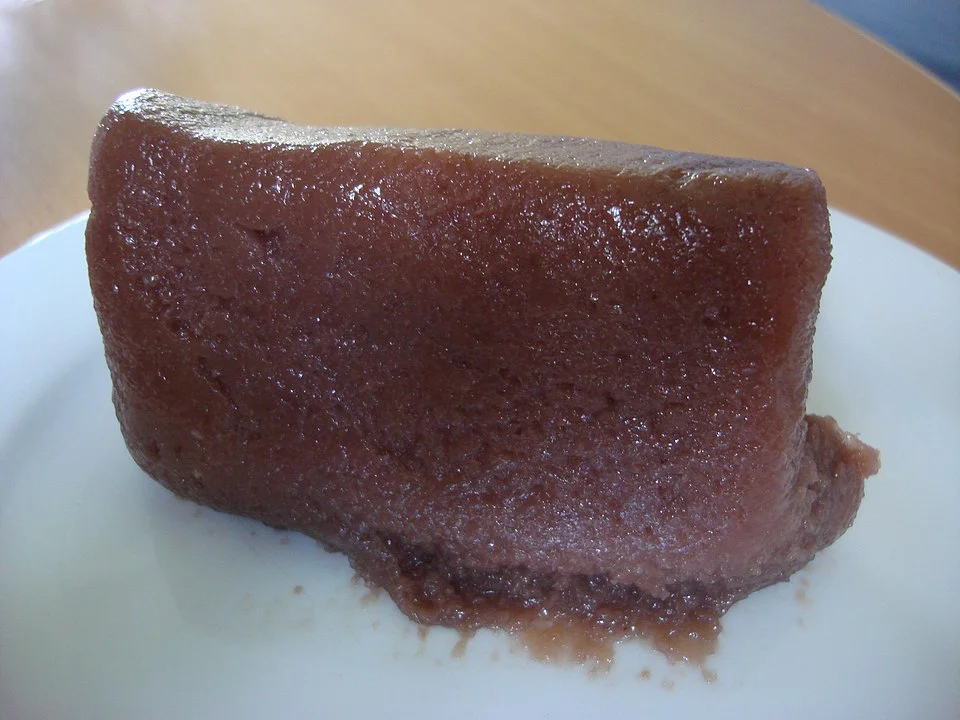
He explained that both are typically made by mixing cooked taro with tapioca that provides the starch to hold it together, and then pounded the way poi is made. We use a wooden trough to mix this, just like the Hawaiians. Then we add coconut cream and sugar. It’s very sweet and delicious.
When I was growing up, typically we would make this at Christmas time, but it can be made at any time,
Suguturaga said. He added that Samoans make a somewhat similar dessert dish called faʻausi, but it comes out more like pieces of sugared/creamy taro vs. the fudge-like, sticky vakalolo or kulolo that is usually presented in a cake dish or pan and sliced into pieces for individual servings.
In Hawaiʻi, for example, kulolo is sometimes served as a lūʻau dessert, and can sometimes be found for sale in stores. Hawaiian families and local organizations sometimes also make it to sell for fundraisers, and usually don’t have any trouble selling out.
They Share the Meaning of Mānoa:
Suguturaga said Hawaiians and Fijians also use the word mānoa with the same meaning. Mānoa means to be calm and steady,
he said.
The word occurs in other island languages, but the meaning is not the same. For example, mānoa in Samoan means string or cord.