








Hula Dance History in the Hawaiian Village
Honoring Their Hula Heritage
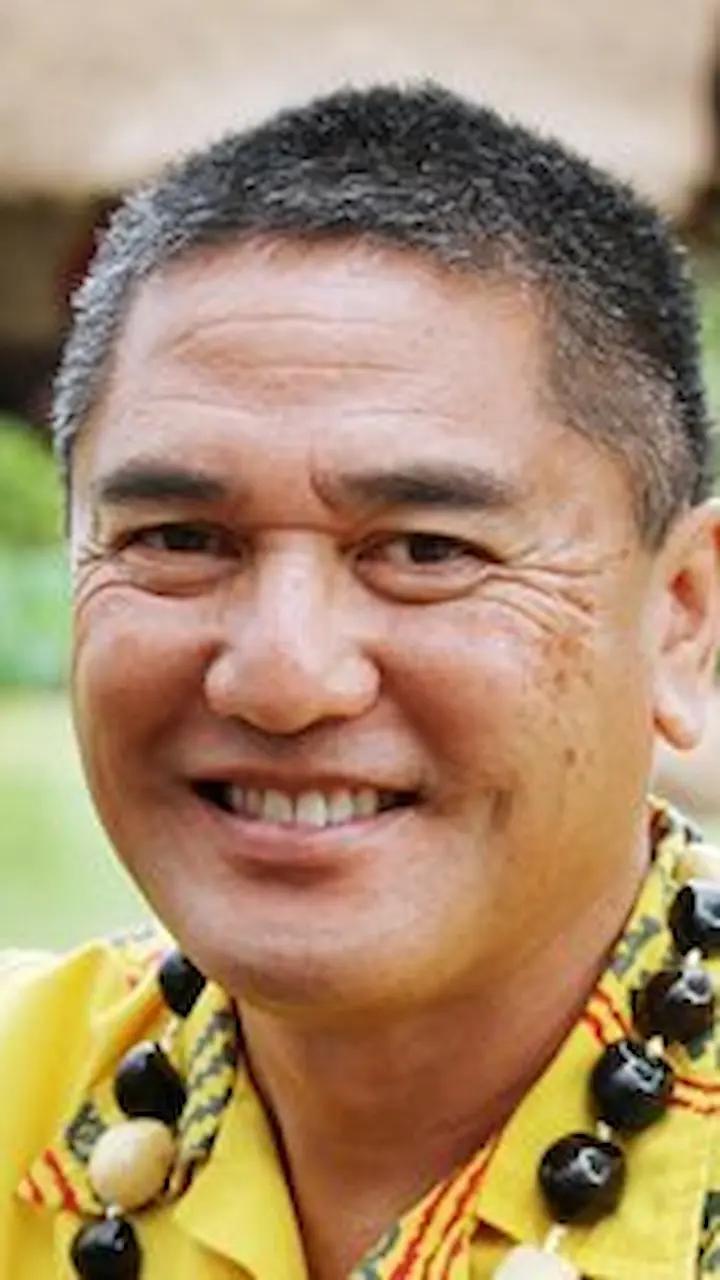
Next to aloha and Hawaiʻi, perhaps no other Hawaiian word brings to mind more imagery of islands and friendly people than hula. Kaipo Manoa, the Hawaiʻi Village manager, explains more about our popular dance form.
For many centuries past, our ancient dance form which we call hula kahiko, was learned and practiced almost entirely by men. We continue to enjoy hula kahiko, which today is performed by both men and women, and is accompanied by drums, Hawaiian percussion instruments, chants, and vigorous motions but not music.
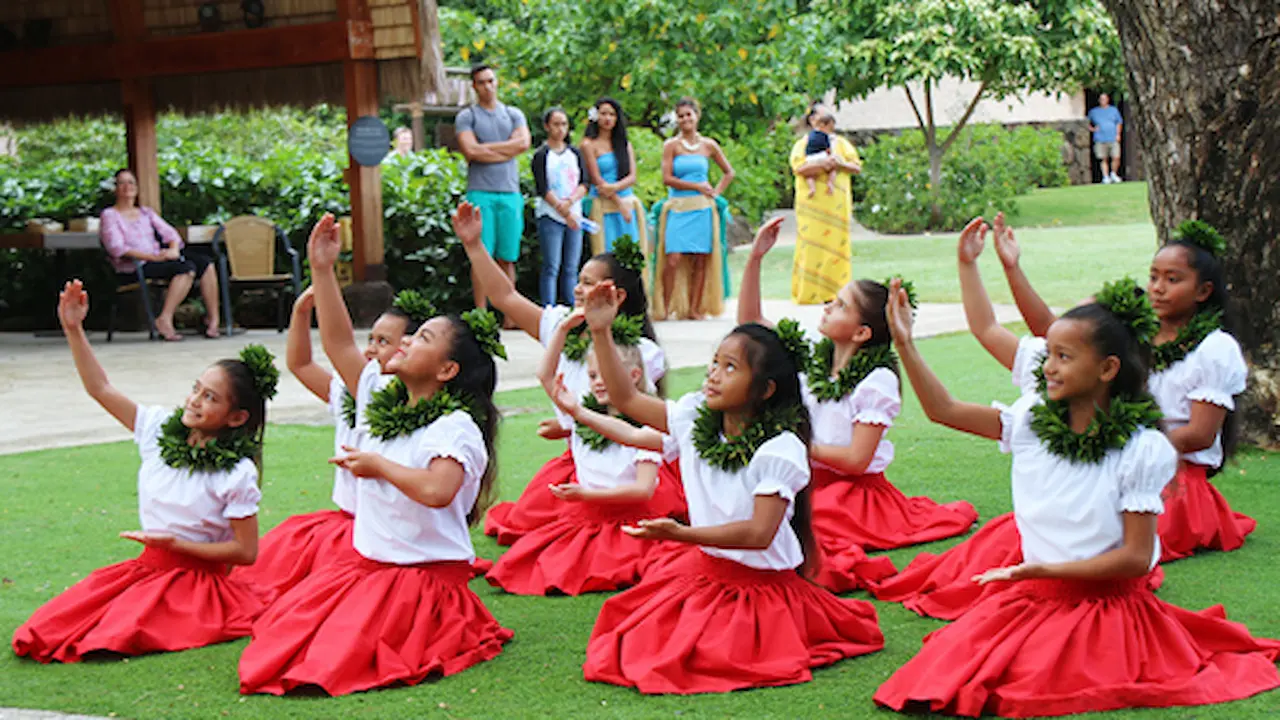
Manoa continued to explain that many people today think of hula as what we call hula ʻauana, the modern form of the dance that has evolved into graceful and colorful expressions of aloha performed by men, women, children, and even kūpuna or elders. Hula ʻauana dancers are often adorned with leis and flowers, and dance to beautiful Hawaiian music. Many thousands of people around the world study hula ʻauana. In Hawaii, even keiki (children) as young as 2 or 3 are learning how to hula.
History of Hula at the Polynesian Cultural Center
Aunty Sally Moanikeala and her legacy at the PCC
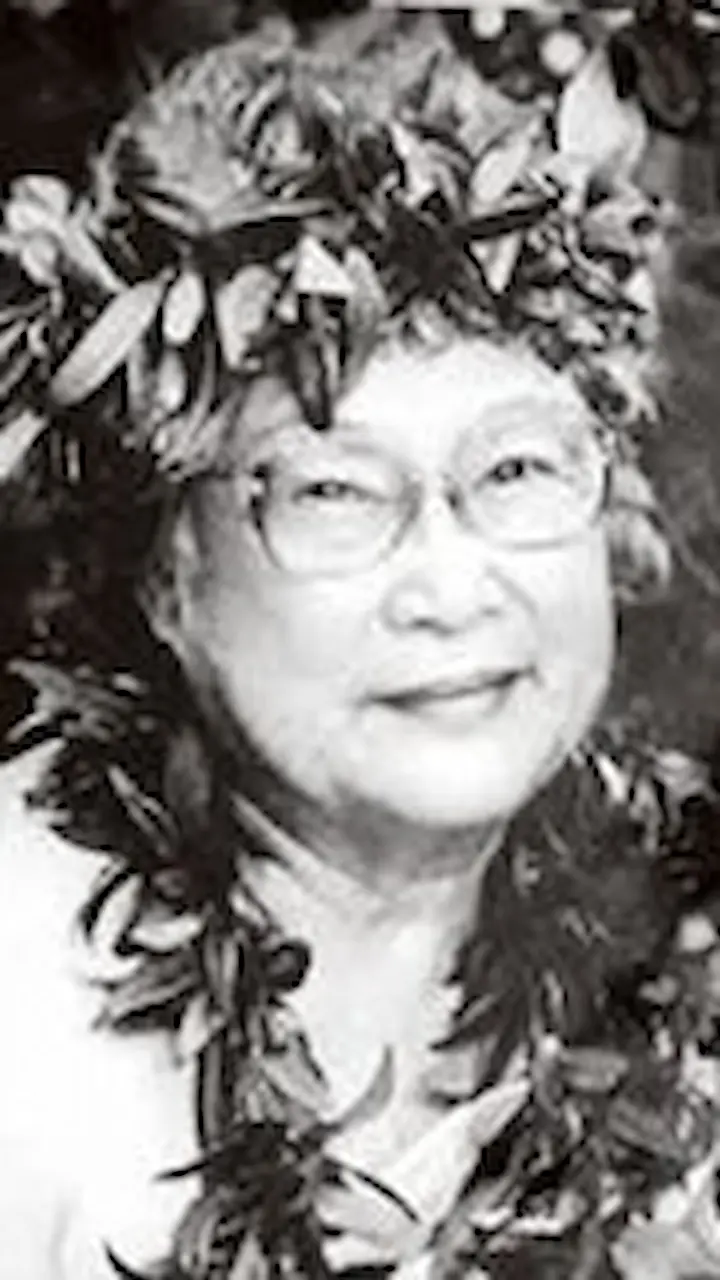
When the Polynesian Cultural Center was preparing to open over 50 years ago, hundreds of college-age students at the Church College of Hawaii (now BYU-Hawaii) began preparing to perform. Aunty Sally Moanikeala Wood Naluai, a talented Hawaiian woman, became the PCC’s first kumu hula or teacher. She held that position until 1980 and continued consulting for the Center until her passing in 2000.
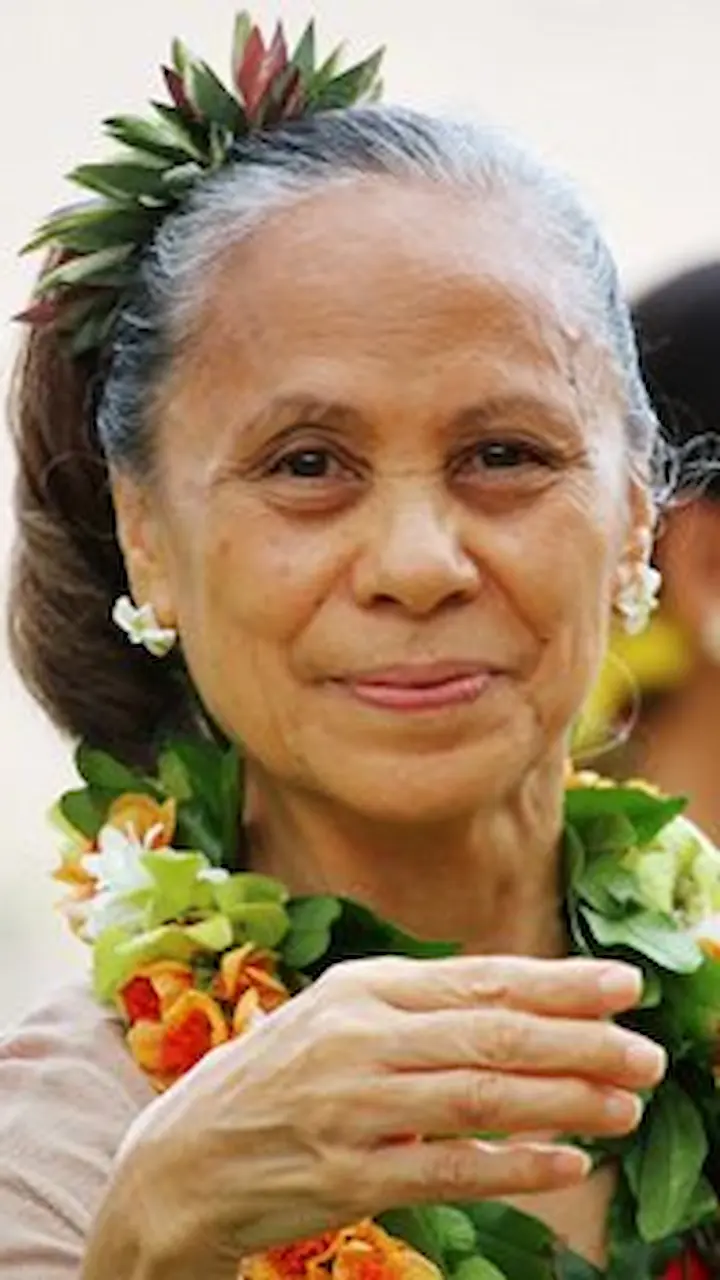
I was around 13 years old in 1963 when Aunty Sally, my blood aunt, was asked to come out here and teach hula to all the college students who were dancing in the night show. I was still in high school, but she would use me as an alakaʻi (leader) to help her teach,
recalled Aunty Sunday Kekuaokalani Mariteragi, who later started her own hālau hula (dance school) in Lāʻie in 1981.
By 1983, Mariteragi was bringing her haumāna (students) to practice at the PCC so visitors could watch them learn hula. In 1990, she championed the establishment of the Moanikeala Hula Festival at the Polynesian Cultural Center to honor her aunt. The event has continued for decades and remains a beloved annual celebration.
Mariteragi retired in 2012 after 42 years as a teacher and student activities coordinator at Kahuku High School. I’m still here at PCC teaching hula to my haumāna, including my grandchildren,
she said. I consider all my students and their parents as my family. Many of them are current PCC performers putting themselves through school.
I want to thank the Hawaiian Village and Kaipo Manoa, as well as my sister, Ellen Gay Dela Rosa, for continuing on with this event in honor of Aunty Sally. We started in 1990, and I loved being back in the Hawaiian Village this year. It has been so warm and friendly.
To anyone interested in learning hula, I would say come, learn, and enjoy. Whoever your teacher is, do exactly what they want you to do, and you’ll go far.
Hula as living history and cultural Identity
Other groups performing during the PCC’s 25th Moanikeala Hula Festival included performers from the Hawaiʻi village, a women’s group from Japan, a small male group of kahiko dancers led by Laʻakea Perry, and the Lāʻie-based Hālau Hula o Kekela, led by Kumu Hula Kela Miller.
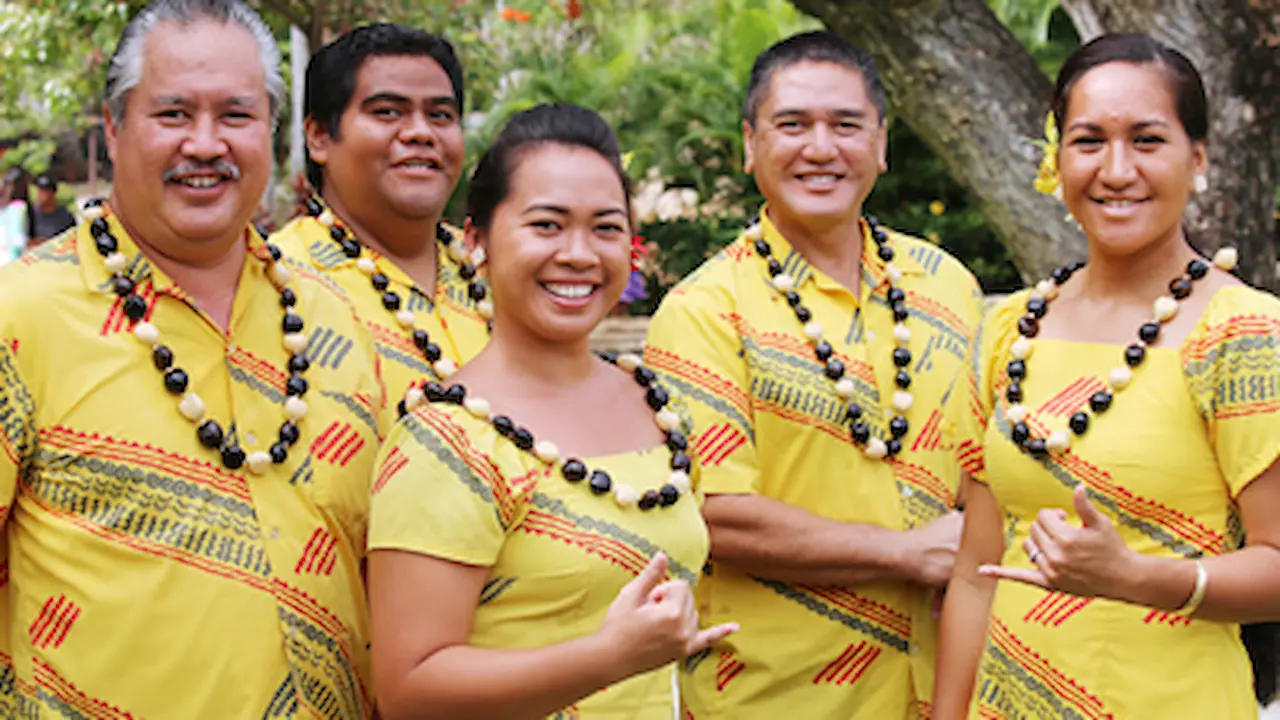
Hula remains dear to us Hawaiians because it ties us to our history and to our kūpuna (ancestors),
Manoa said. Hula defines us as a people. Within the stories of hula, we discover who we are as Hawaiians and why we do the things we do. Without hula, there would be no history, and without history, there would be no culture. That is why we continue to perpetuate the traditions our ancestors have set for us.
There is a special spirit of aloha here in the Hawaiian Village,
Manoa added. We know when guests come here, they feel it, and we are delighted to share a little bit of our aloha with them.
Sample Some Fresh Poi at the Polynesian Cultural Center
One of the fun things to do in the Hawaiʻi Village is sample freshly pounded poi. You have to try it!
Poi is made by mashing the boiled or baked underground corm of the taro plant, known as kalo, and gradually mixing it with a little fresh water. Traditional Hawaiians use a stone poi pounder and a carved wooden board to make poi. This starchy staple is full of vitamins and minerals and was even used as early baby food. Ancient Hawaiians also discovered that poi could be preserved much longer than plain cooked taro.
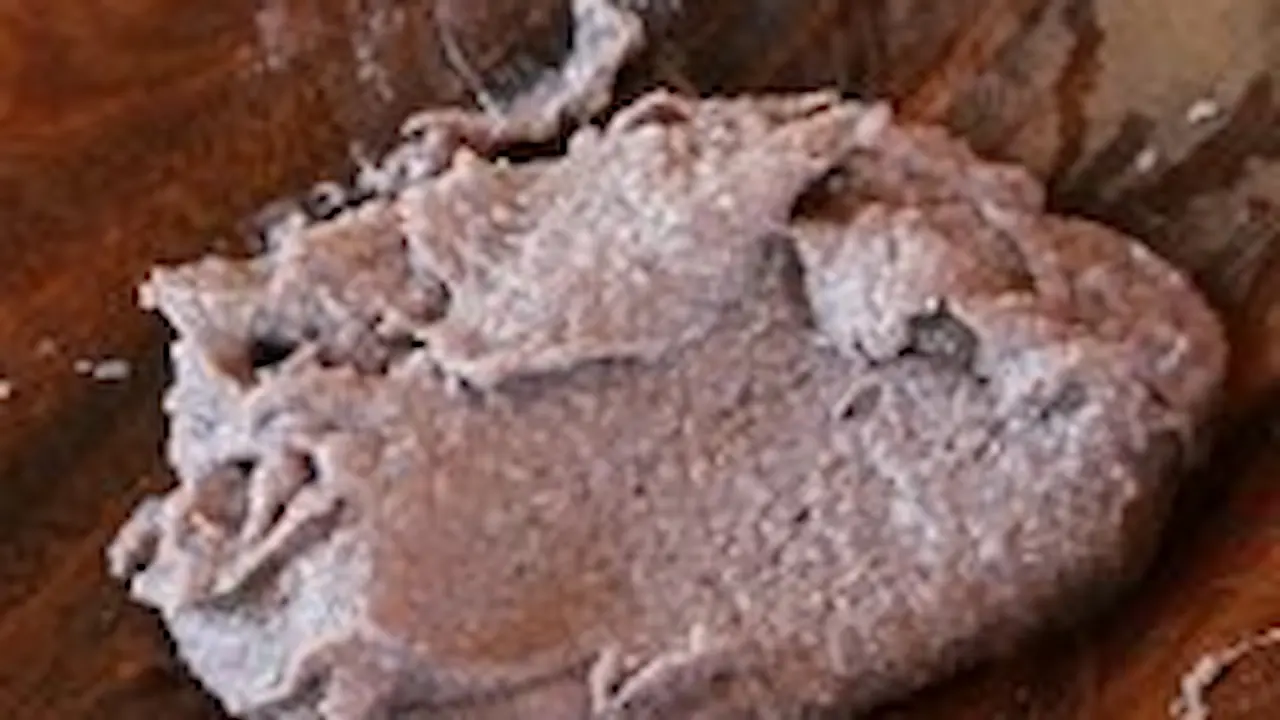
Kaipo Manoa explained that the performers in Hawaiʻi village make about two pounds of poi a day. In the near future, we’re going to start letting guests pound their own poi, and when they’re finished, they can eat it or take it with them. We tried this during our Lei Day celebration, and it was a huge hit.
Of course, I’m talking about pounding fresh poi, but for me, it depends on what I’m eating. If it’s poke, I like fresh poi. If it’s dried ʻōpelu (mackerel), I prefer two-day-old sour poi with it.
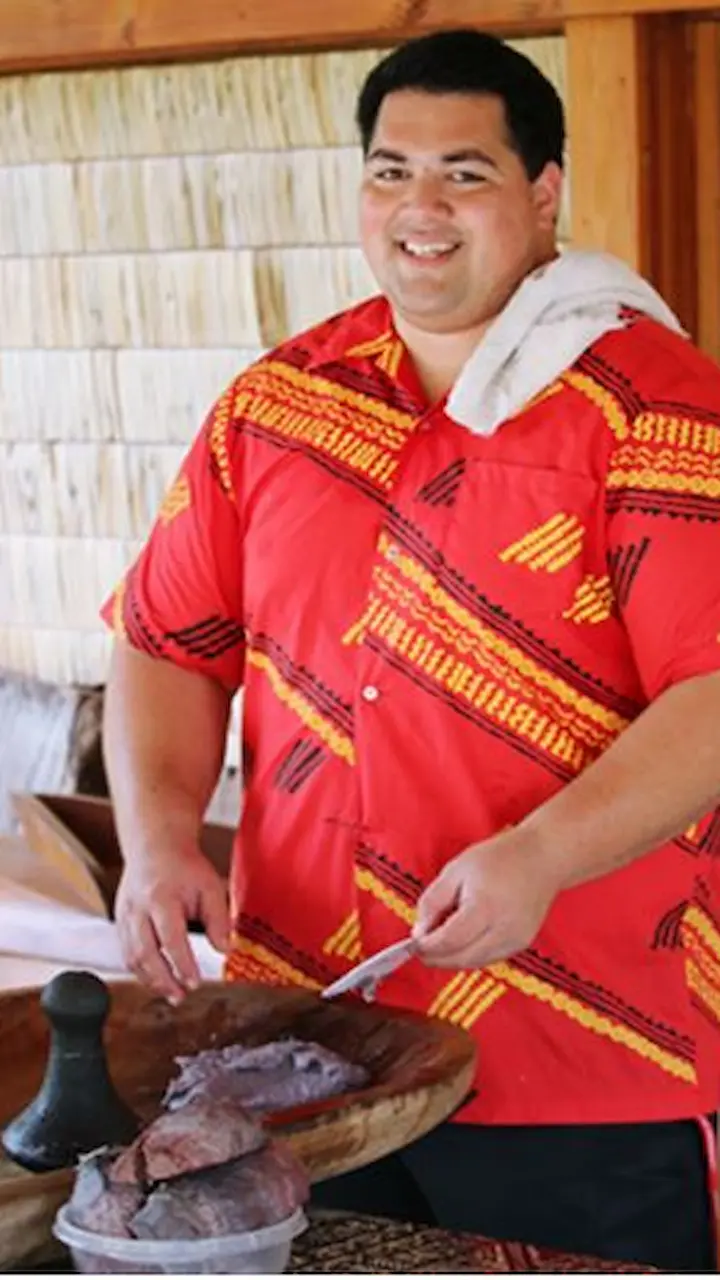
PCC’s Hawaiian cultural ambassador Naʻauao Panee added, Our poi is made fresh every day. We pound it ourselves, so it’s a little different from what you get in restaurants or stores.
Panee continued, If I’m eating something salty, I like sour poi that has aged for more than a day. If I’m eating something spicy, I like fresh poi for a bit of sweetness. There are different varieties of taro, some a little sweeter, but either way, poi is good.
Some people like to add salt, sugar, or cream. Some eat poi with a spoon, while others prefer the traditional Hawaiian way, using their fingers. One-finger poi is thick and pasty, while thinner poi requires two or three fingers to scoop.
Poi begins to develop a stronger flavor after sitting for a day or two. Some Hawaiians even enjoy it after a week when it starts to bubble, although that taste is definitely acquired!
Now that you know more about poi, you should come try some of the fresh kind in the PCC’s Hawaiian Village.