






Tonga, the Friendly Islands
Introduction to Tonga’s Cultural Traditions
Malo e lele! Welcome to the friendly islands of the Kingdom of Tonga.
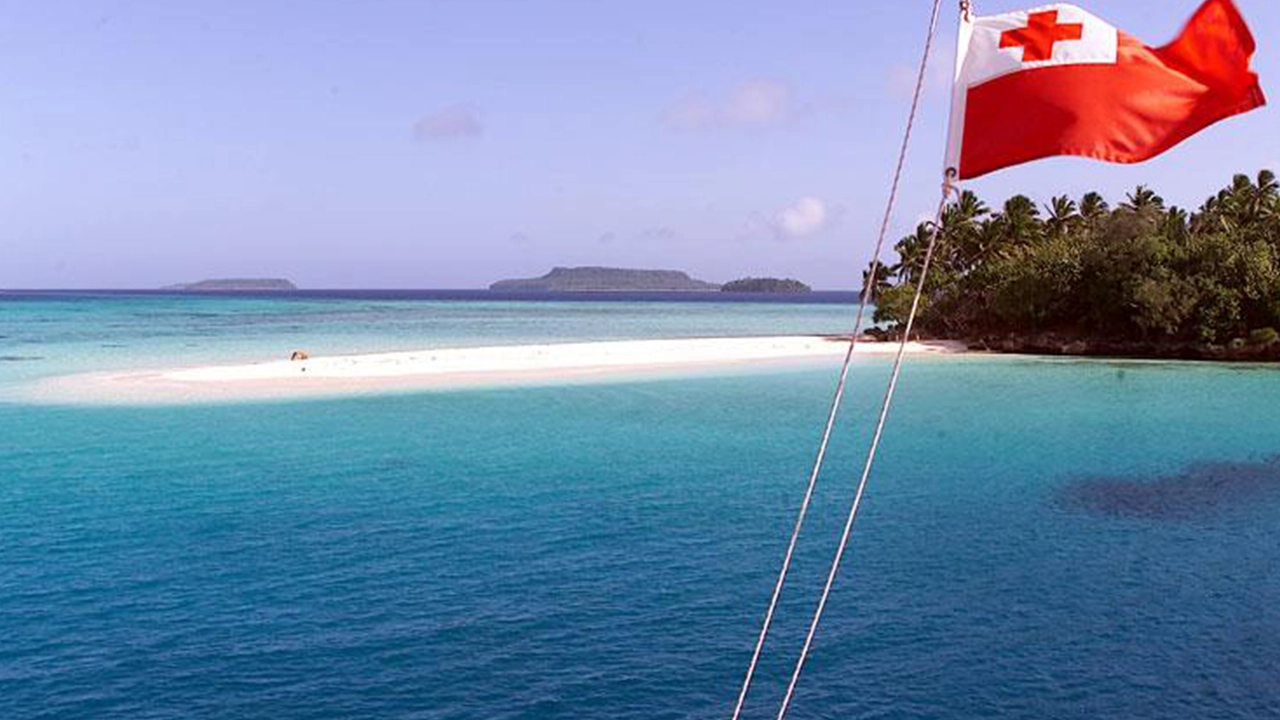
There are about 171 islands in the three main island groups of Tongatapu, Haʻapai, and Vavaʻu. Tonga has the distinction of being the only island nation that was never formally colonized by a foreign power, and it is the last remaining monarchy in Polynesia.
Many years ago, Tonga was given the nickname of "The Friendly Islands" because of the welcoming and congenial attitude shown to visitors. Today, tourism is increasing in Tonga as people travel to spear fish, whale watch, and enjoy the beautiful landscape.
Exploring a traditional Tongan village
Looking around a traditional Tongan village, you will notice that many of the structures are shaped similarly to Samoan houses and other buildings in Polynesia.
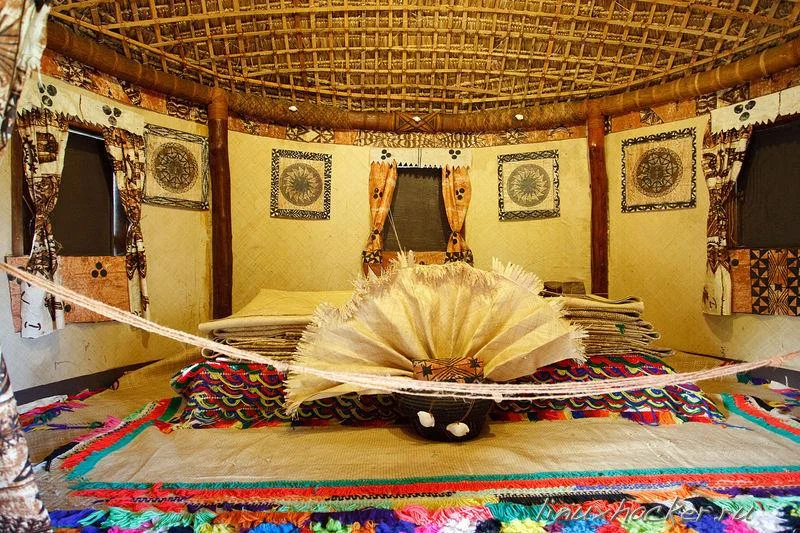
A prominent feature of the Tongan village in the Polynesian Cultural Center is the Queenʻs Summer House, called the Fale Fakatuʻi. The house is intricately decorated. Dried coconut leaves are covered with fine mats to make the floor soft.
The structure was built by the personal workmen of the beloved Queen Salote, who said that if a queen of any nation visited the village, she would have a place to rest inside the Queenʻs Summer House. The Crown Prince of Tonga represented the royal family at the dedication of the house in 1963.
Tongan Kava ceremony
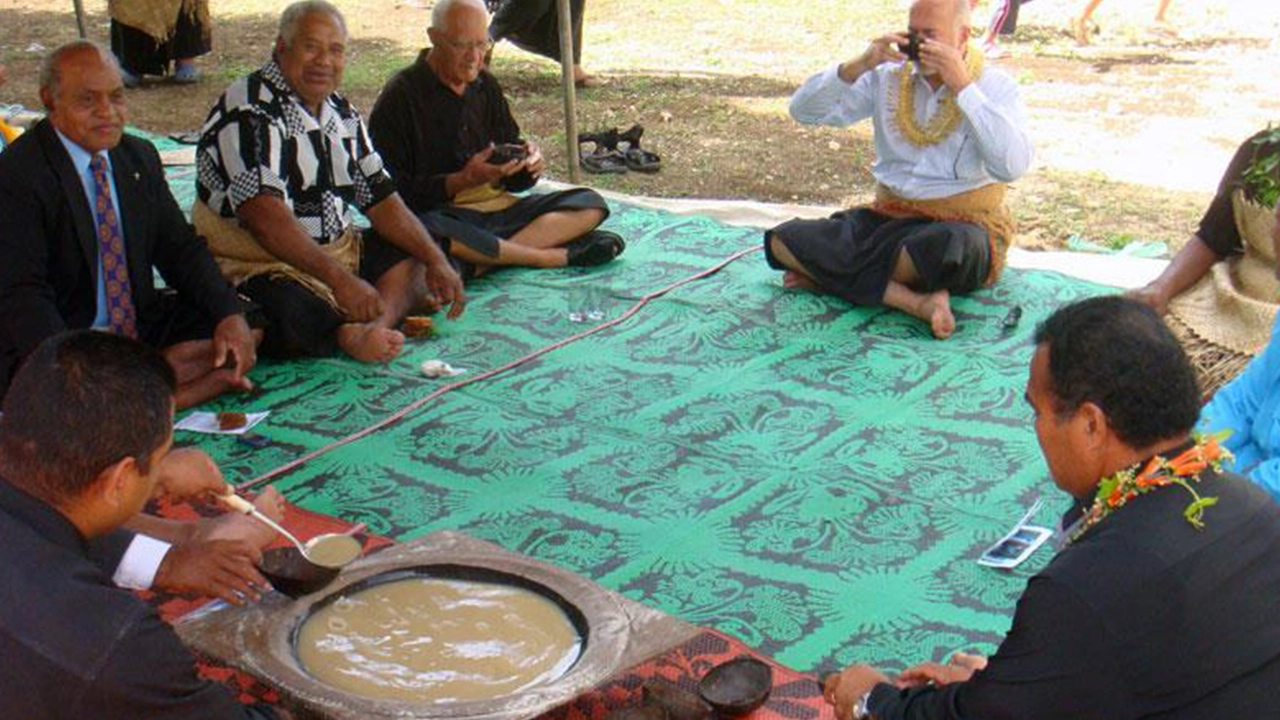
Another important Tongan tradition is the Kava ceremony, which has been part of Tongan culture for more than two thousand years! Performing the ceremony for someone was a sign of great respect and honor.
The drink is made from the root of a type of native pepper plant. The inner core of the roots is pounded into a powder, which is then mixed with water in a special wooden bowl called a kumete. The liquid is strained with hibiscus fiber before being served in a half-coconut shell cup. The drink is non-alcoholic and doesnʻt cause hangovers, but it does contain a mild narcotic that induces a feeling of restfulness. Kava is sometimes called the official drink of the Pacific because similar ceremonies and traditions are found throughout the Pacific islands.
Cooking underground
Traditional Tongan cooking is often done in an underground oven called an ʻUmu. This type of cooking is physically demanding and is usually the menʻs responsibility.
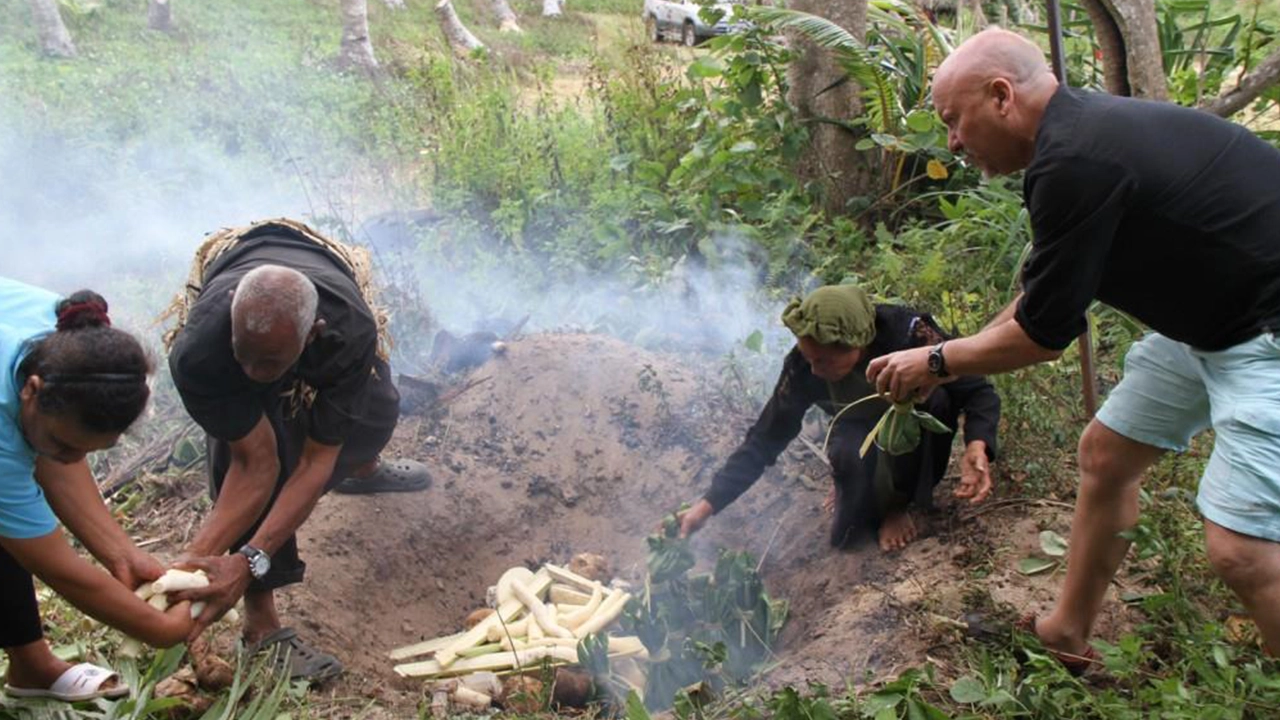
The first steps of cooking in an ʻumu are digging a bowl-shaped pit and gathering large rocks and dry firewood. The men start a fire in the pit and cover it with stones. Banana tree stumps are layered over the hot rocks to keep the food safe from intense heat and also provide steam. All varieties of food are placed in the oven, including pork, chicken, fish, taro, breadfruit, and tapioca, just to name a few. The food is covered with banana leaves, and then the entire oven is covered with soil to keep the heat and steam inside. The ʻumu is usually started early in the morning, and the food cooks for several hours until the main meal of the day is served at noon. Enough food is prepared to last for the entire day!
Pounding Tapa cloth
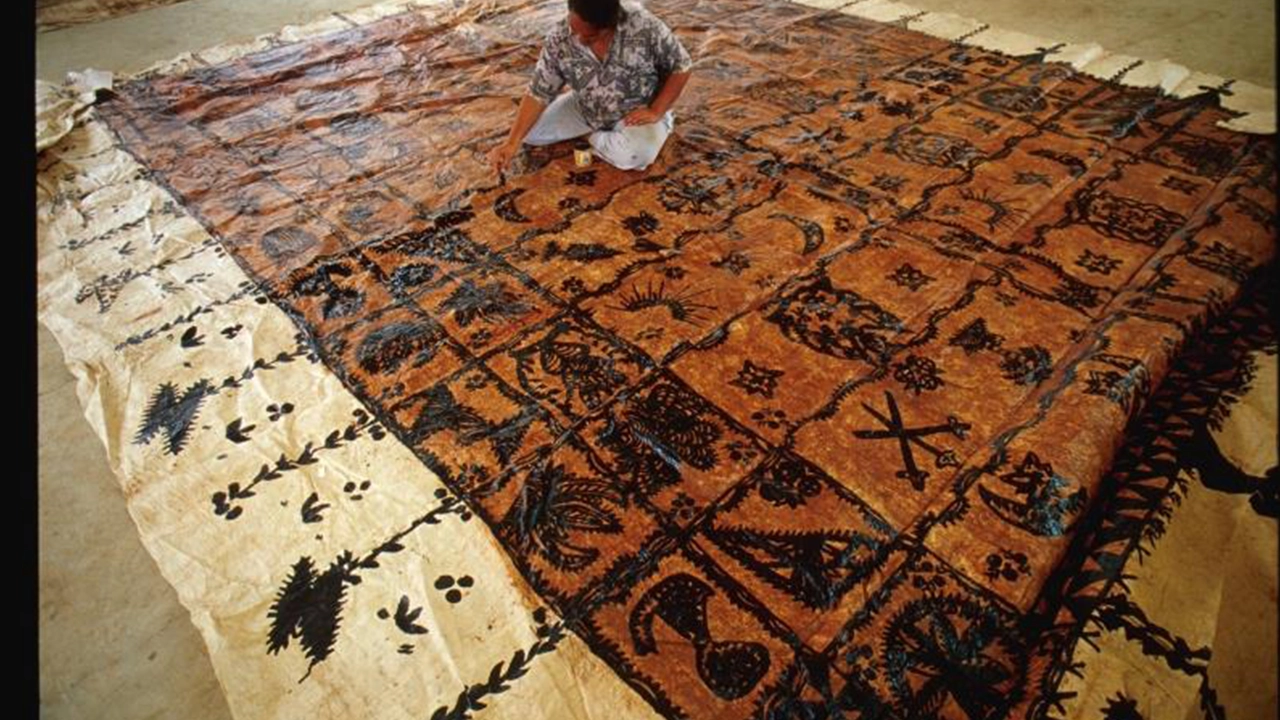
In a Tongan village, you will likely hear a distinctive tapping sound. This is the sound of making tapa cloth, a prized art of the women of Tonga.
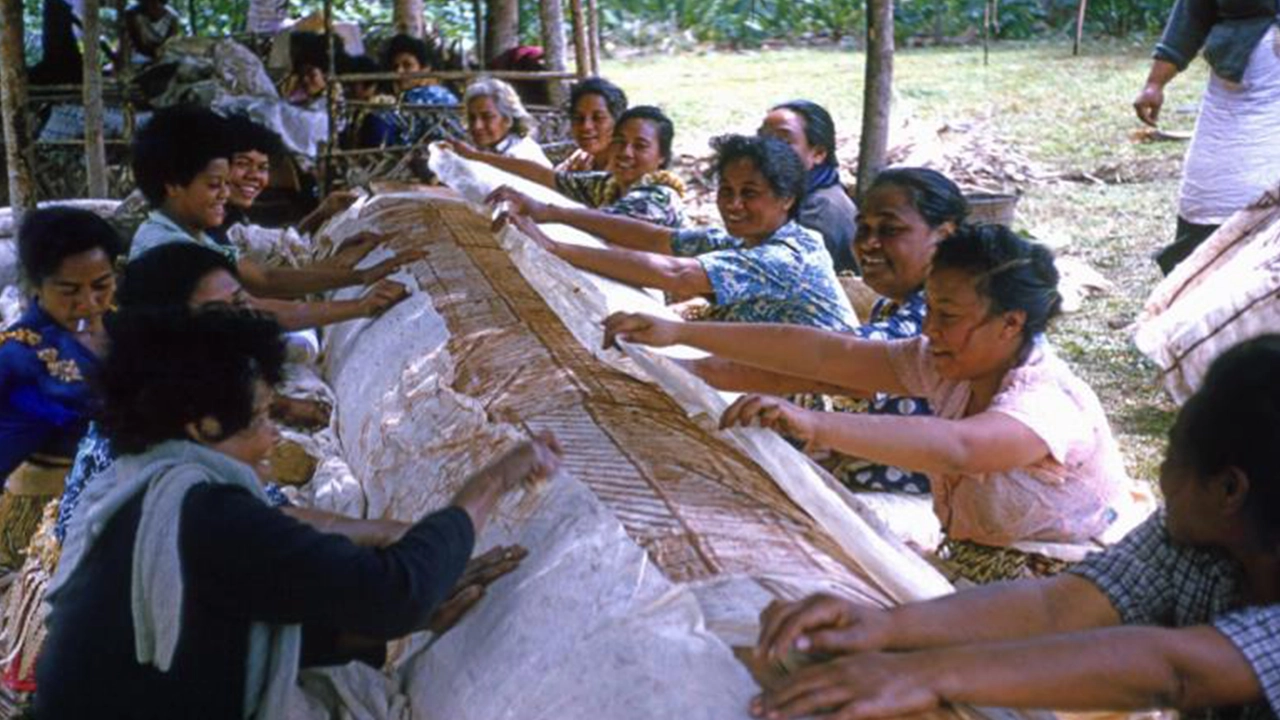
What you are hearing is the impact of a small wooden mallet, called an ike, that is used to pound the inner bark of the paper mulberry tree. The bark begins as a thin strip, but after about 45 minutes of continuous pounding, it thins and widens to about 8 inches wide. After the strips are dried in the sun, they are glued together lengthwise and crosswise with a special glue made from boiled tapioca.