








Throughout history, people all over the world have used proverbs — general statements of truth or advice drawn from observations of surroundings or actions. For example, one of the best-known English-language proverbs, a picture is worth a thousand words
, means images often help a person understand emotions or messages better than written or spoken explanations.
Polynesians also particularly love proverbs expressed in their own languages and cultural references. Here is an example from Tonga that you might find interesting:
Tonga: The Almond Tree and the Food Basket
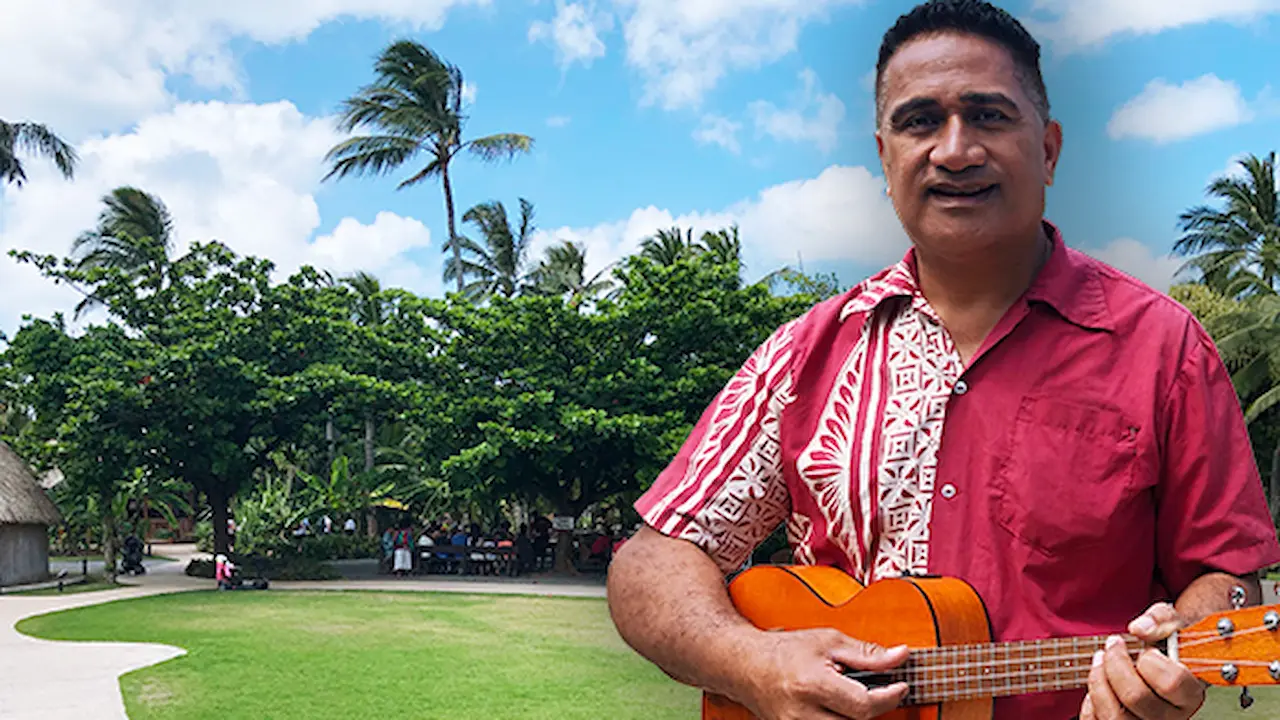
We asked Semisi Fakatava, assistant manager of the Polynesian Cultural Center’s Tongan Village, to share a proverb he remembers from his days of growing up in Tonga. He looked across the village green, thought for a few moments, and then shared this palovepi (proverb):
Fakatuʻamelie ki he ʻete taonga ʻoku tautau i he fuʻu telie.
Fakatava explained this saying literally refers to anticipating a basket of food hanging from the branches of a telie tree. The telie, he said, is a type of almond tree like the shady one on the other side of the Tongan Village. But as with many proverbs, he pointed out that this saying also has a deeper meaning.
“When our grandparents would go out to the farm, they would usually cook some food in the umu [ground oven]. Next, they would make a little basket and put the best food in it. Then, before leaving the farm, they would hang the basket in the telie tree, knowing their grandkids would come and eat it that same day.”
“Every time we saw our grandparents going to the farm, we would say, ‘let’s go and check the telie tree at the end of the day,’” Fakatava recalled. “In other words, our grandparents would always leave the best for us. We always looked forward to the little gifts they left.”
Universal Lessons from Tongan Proverbs
While it may take many forms, the love of grandparents for their grandchildren is universal. In Tongan culture, this devotion might mean leaving a basket of food hanging from an almond tree.
Learn more about Tongan proverbs and traditions at the Polynesian Cultural Center’s Tongan Village.
Story and photo by Mike Foley, who has been associated with the Polynesian Cultural Center for over 50 years. He had a long career in marketing communications, PR, journalism, and university education before becoming a full-time freelance writer and digital media specialist in 2002. Foley learned to speak fluent Samoan as a Latter-day Saint missionary before moving to Lāʻie in 1967, and he still does. He has traveled extensively throughout Polynesia, the Pacific Islands, and Asia. Though nearly retired now, Foley continues to contribute to PCC and a select few other media.
He recalls that as a young missionary conversing with old Samoan chiefs, it was customary to include respectful proverbs in their discussions. For example, to conclude a lengthy discussion, one might say, ua vevela le fala
— “the pandanus-leaf mat [we were sitting on] is hot” — a culturally elegant way to say that it was time to go.