








Six Fun Facts About the Polynesian Cultural Center
| Cultures of Polynesia | Hawai'i Travel Tips
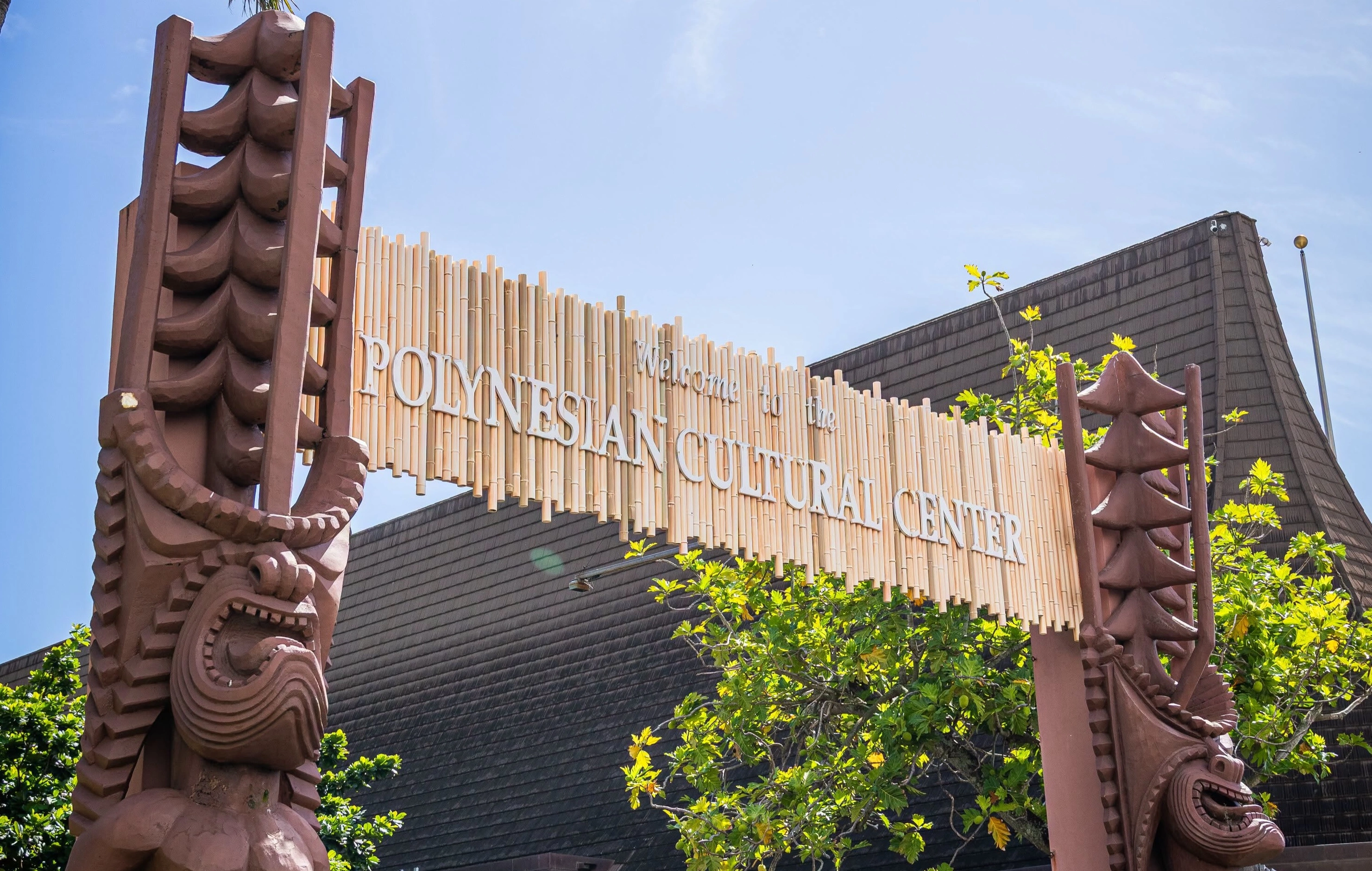
The Polynesian Cultural Center (PCC) offers interactive activities, cultural demonstrations, and immersive experiences that bring Polynesian culture to life. But there's more to the Center than meets the eye — discover six lesser-known facts about its history below.
1. Aloha and Shaka my Friend!
According to a long-standing La'ie and Kahuku legend and tradition, Hamana Kalili (sometimes referred to as Hamana Kaleleiki) lost the three middle fingers of his right hand in an industrial accident while working at the Kahuku Sugar Mill in the early 1900s.
With only his thumb and pinkie remaining, Hamana's waving gesture was visiually distrinctive. Children in the area began imitating the motion and over time the signal took on a social meaning - friendly, relaxed, and welcoming.
This gesture eventually spread across O'ahu and later throughout Hawai'i, becoming what is now known as the shaka sign. The shaka has come to symbolize aloha, goodwill and friendliness, laid-back resilience, and local identity.
2. Polynesian Cultural Center and BYU-Hawaii - Joined at the Heart
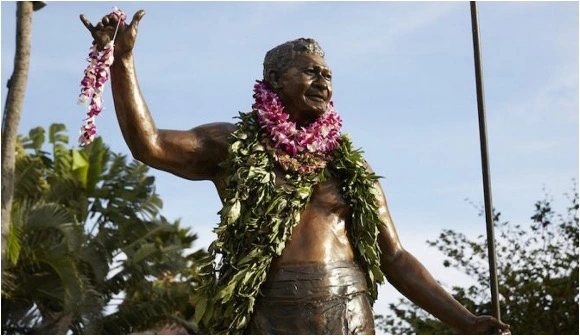
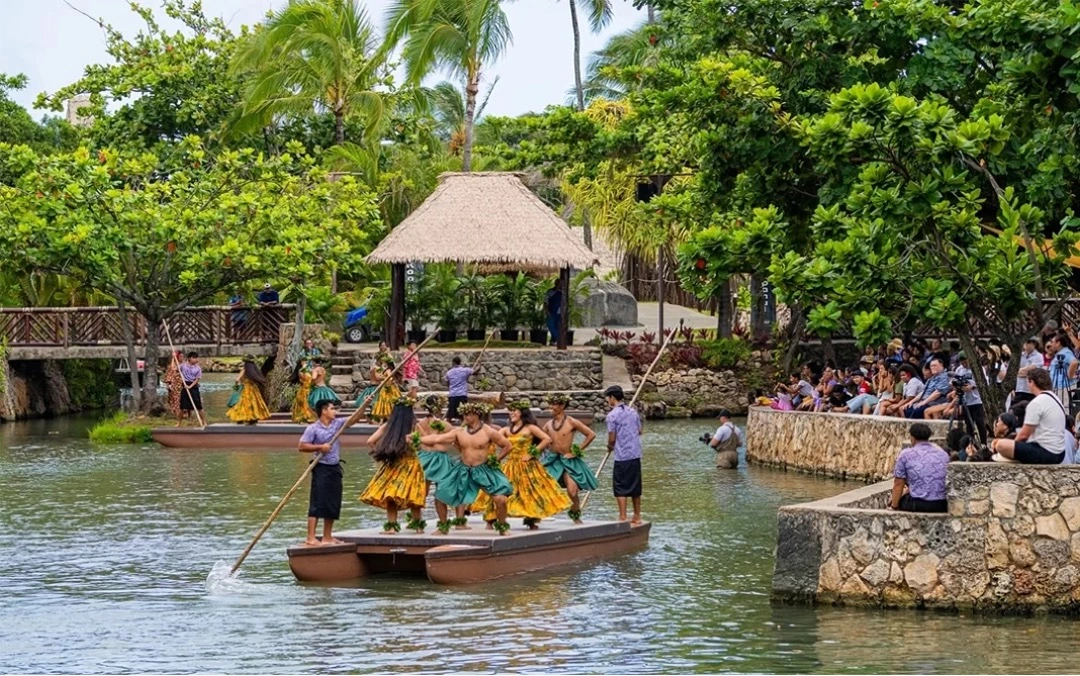
More than 3,000 students from nearly 70 countries attend Brigham Young University-Hawaii (BYU-H), which is more than any other university in the U.S. About 80% of the Center's paid workforce is made up students who serve in nearly every department.
These hands-on internships and work experiences complement their academic education, providing them with valuable real-world skills that give them a competitive edge in the job market after graduation.
The opportunities are both rich and diverse, ranging from sales and marketing, graphic and web design, and information technology to hospitality, food service, and performing arts roles such as singing and dancing.
Both the PCC and BYU-H were founded by the Church of Jesus Christ of Latter-Day Saints. In its earliest years, the Center was described as an "aloha experiment" and since then has proved itself millions times over. Former BYU-H President Eric B. Shumway say of the two institutions, "We are not joined at the hip; we are joined at the heart".
3. Filming and Stardom at the Center
From day to day, we love to welcome guests and love to see them explore and experience the islands of Polynesia. But the Center has also been a host to a few movies and special stars.
Elvis Presley's Memorable Visits
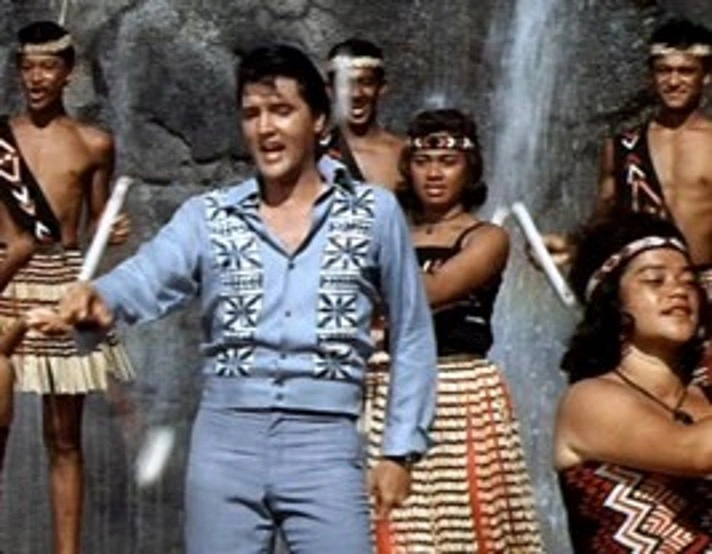
The Polynesian Cultural Center was the location for the 1966 movie Paradise, Hawaiian Style: the third Elvis Presley film that he shot in Hawai'i.
It is said that "initially Elvis was hesitant to spend much time outside his dressing room. But gradually he got acquainted with the students and had a tearful farewell party at the end of the week shooting". Elvis had planned on visiting again because of this life-changing trip, but unfortunately he passed five months later.
Sharing Aloha: A Backstage Story
In August of 2025, the Sharing Aloha film was released. This film tracks the progress of several incoming BYU-H students from the South Pacific who undergo auditions for the Center's world-famous evening show, Hā: The Breath of Life. It also introduces several dozen other BYU-H "veteran" student workers at the Center.
Royal Visitations
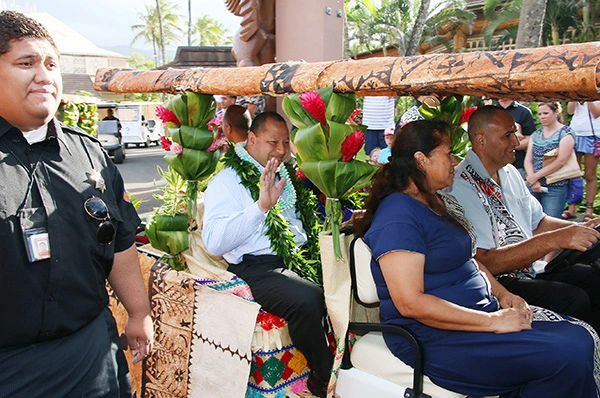
In addition to daily guests, the Polynesian Cultural Center welcomes around a thousand dignitaries each year. The Center has been host to many royalty, including:
- His Royal Highness Taufa'ahau Tupou IV, King of Tonga (1976 and 1993)
- His Highness Malietoa Tanumafili II, Head of State of Western Samoa (1997)
- Her Highness Queen Halaevalu Mata'aho of Tonga (2004)
- Her Majesty Queen Nanasipau'u Tuku'aho of Tonga (2014)
- His Majesty King Tupou VI, King of Tonga, and his wife, Her Majesty Queen Nanasipau'u (2016)
4. Polynesian Cultural Center Awards
The Center has received a wide range of awards, including national recognition for family and cultural attractions, local community honors, and internal awards that celebrate cultural expertise and service.
These accolades highlight PCC's dedication to delivering immersive Polynesian cultural experiences, maintaining high-quality visitor engagement, and preserving traditional arts and practices.
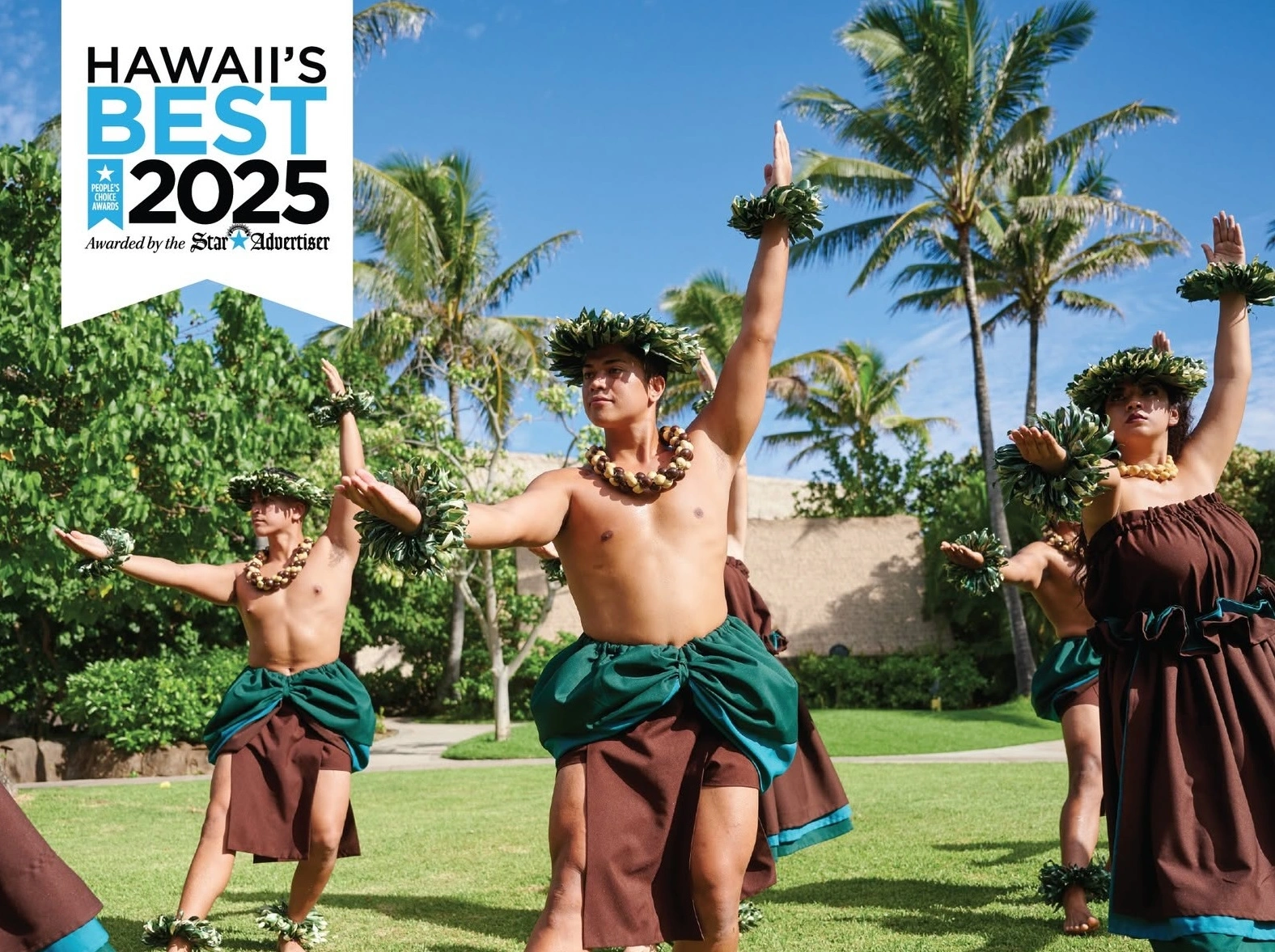
Some of these notable awards include:
- Trip Advisor Travelers Choice Award - top 10% of attractions worldwide from millions of online reviewers.
- Best Luau in Hawai'i 2026 from USA Today 10Best.
- Best Family Attraction in Hawai'i 2026 from USA Today 10Best - won for the sixth year in a row.
Collectively, these awards underscore the Center's leadership in the goal to preserve culture and tradition in the tourism and entertainment industries.
5. A Lasting Cultural Bridge: The Center's Unique Relationship with China
The Polynesian Cultural Center has cultivated a remarkable and enduring relationship with the People’s Republic of China—one that began long before formal diplomatic ties existed between the two nations.
In 1981, six Chinese students arrived at Brigham Young University–Hawaii to study and work at the Center as part of the Asian Executive Management Program—a cultural exchange designed to benefit both sides through shared learning and experience. This initiative marked the beginning of a lifelong partnership.
In 1992, a landmark Memorandum of Understanding was signed between the Polynesian Cultural Center and China Folk Culture Villages, officially recognizing them as sister institutions.
A particularly memorable moment came on July 1, 1997, during the historic handover of Hong Kong from British rule back to China. PCC dancers were invited to perform in the grand celebratory parade.
Although heavy rain forced the parade’s cancellation, what followed was even more extraordinary. After prayerful consideration, event organizers arranged a private televised performance for the PCC dancers, broadcast to an audience of over 100 million viewers across China.
These connections stand as a powerful example of cultural diplomacy—demonstrating how shared experiences, mutual respect, and open exchange can build lasting bridges across nations.
6. Discover a Hidden Gem: The Settlement
Tucked quietly between the Ohana Lu’au and the island village of Tonga is one of the Center's most overlooked treasures: the Settlement.
Unlike the island villages, the Settlement isn’t tied to a single culture. Instead, it offers a rich and immersive look at the broader history and heritage of Hawai‘i. This unique area features three distinct buildings:
- a rock-walled missionary home
- an open-air Polynesian-style schoolhouse
- and a non-denominational chapel
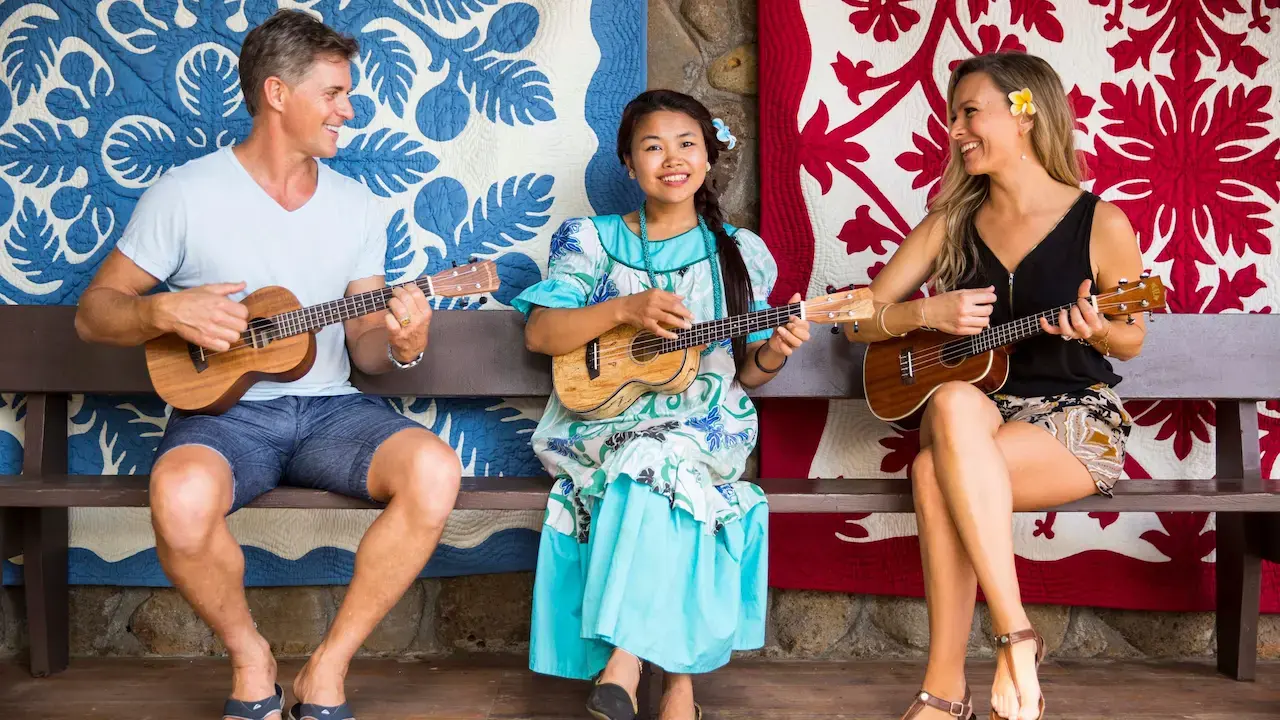
At the Settlement, you can dive into the fascinating migration patterns of Polynesian peoples, gaining a deeper understanding of how the islands were first settled. You’ll also have the chance to explore the Hawaiian alphabet, offering insight into the language that plays such a vital role in local culture.
While it may not draw the same crowds as the island villages, the Settlement offers something just as valuable: a deeper connection to the roots of Hawai‘i. If you’re visiting the Polynesian Cultural Center, make sure to set aside time for this hidden gem—you won’t regret it.