








North Shore Oʻahu Family Activities: Beyond the Beach Experience
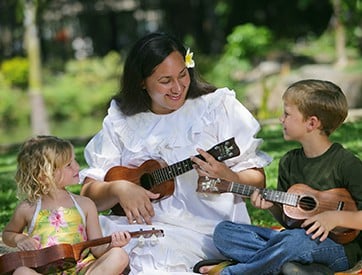
The North Shore of O‘ahu offers far more for families than beautiful beaches and big surf. This 17-mile stretch of coastline combines natural beauty with rich cultural experiences that engage children, parents, and grandparents alike. While many families visit for the famous waves, the region's authentic cultural attractions create memories that last well beyond a beach day.
The Cultural Heart of the North Shore
The Polynesian Cultural Center in Lāʻie stands as the North Shore's premier family destination. This living museum brings six Pacific Island cultures together in one location, offering hands-on learning that appeals to all ages. Unlike passive attractions, the Center invites families to participate actively in cultural traditions.
BYU-Hawaii students from across the Pacific share their heritage through demonstrations and interactive activities. This direct cultural exchange transforms what could be simple sightseeing into meaningful education. Children learn while playing, and adults gain insights into Pacific Islander traditions that many never knew existed.
The Center opens at 12:15 PM, allowing families a full afternoon and evening of immersion. Six island villages—Hawaiʻi, Sāmoa, Tonga, Fiji, Aotearoa, and Tahiti—each feature authentic architecture and daily cultural presentations.
Hands-On Learning That Engages All Ages
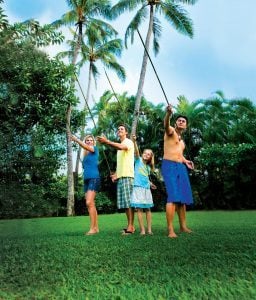
Interactive activities distinguish the Polynesian Cultural Center from typical attractions. Families can paddle traditional canoes along the lagoon, learning how Pacific Islanders navigated vast oceans using only stars and wave patterns. Children try spear throwing in Tonga, while grandparents might weave coconut fronds in the Hawaiian village.
These activities require no special skills. Cultural guides lead each experience, explaining the significance behind what families are learning. A child throwing a wooden spear isn't just playing—they're connecting to warrior traditions. Families can also learn basic hula movements discover how dance preserves history and tells stories.
The hands-on approach works because it removes the barrier between observer and participant. When a grandmother and her granddaughter create flower leis together, both gain appreciation for Pacific Islander artistry. This shared learning strengthens family bonds while honoring cultural traditions.
Huki: A Canoe Celebration
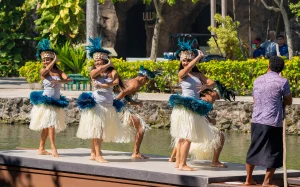
The afternoon canoe celebration, Huki, showcases performers from across Polynesia in a water parade along the Center's lagoon. Unlike passive shows, this celebration surrounds guests with music, dance, and the sight of traditional watercraft. Families watch from shaded seating areas while learning about the importance of canoes in Pacific Islander migration and daily life.
Aliʻi Lūʻau: Where Culture Meets Cuisine
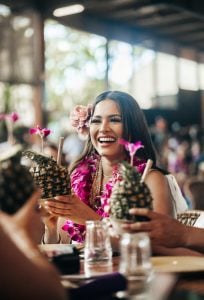
The Aliʻi Lūʻau at Hale Aloha and Hale ʻOhana offers families an authentic Hawaiian dining experience. This all-Hawaiian celebration honors Queen Liliʻuokalani's legacy with the theme "ʻOnipaʻa," meaning steadfast. Traditional foods like kālua pork prepared in an underground imu, fresh poi, and haupia provide children their first taste of island cuisine while giving parents cultural context for each dish.
Hawaiian performers share mele (song) and hula throughout the meal, explaining the stories behind each performance. This educational approach helps families understand that Hawaiian food and dance aren't entertainment—they're living traditions that carry deep meaning.
Hā: Breath of Life Evening Show
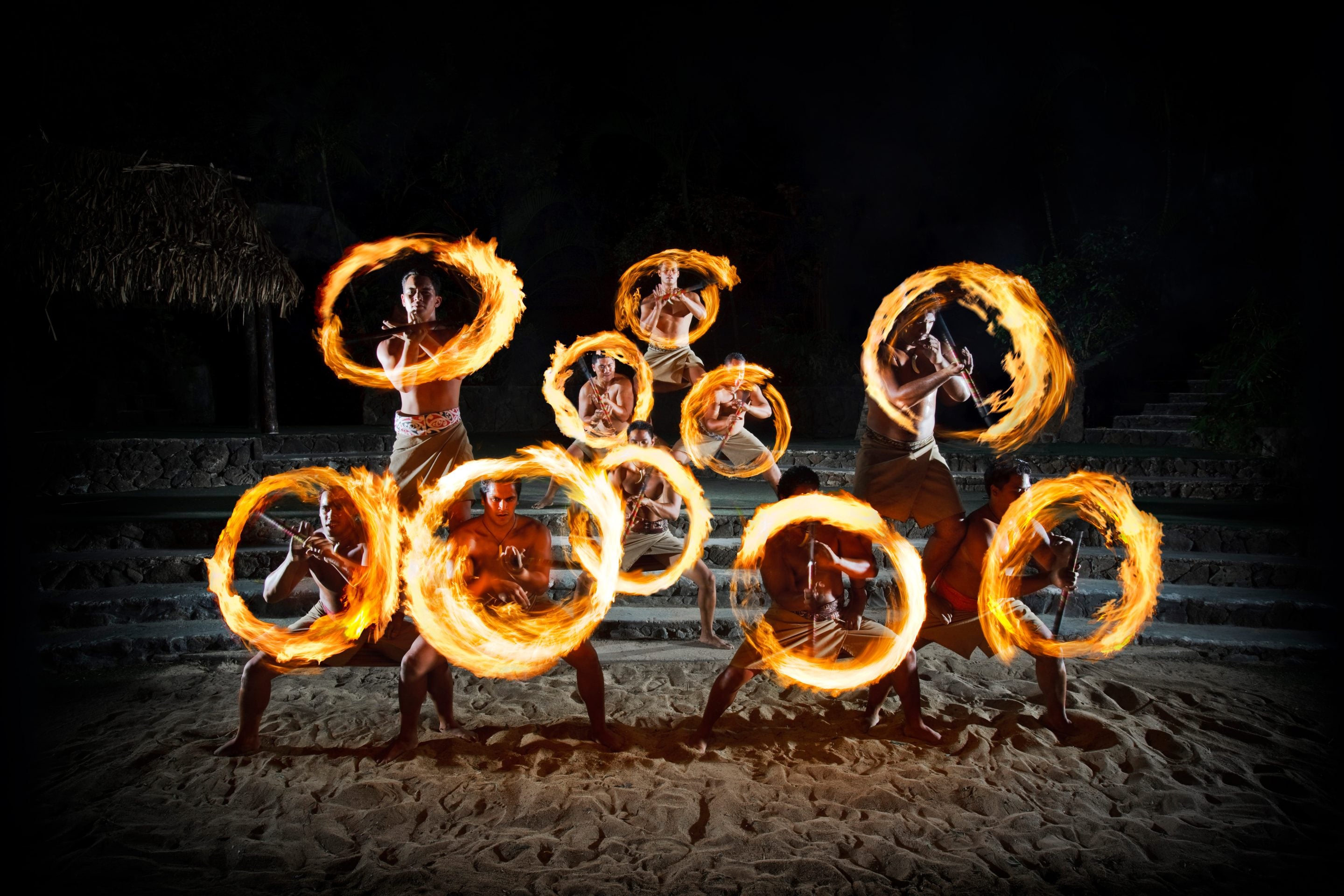
The evening culminates with Hā: Breath of Life. Over 100 performers tell the story of a Polynesian family's journey through music, fire dancing, and elaborate choreography. Children remain engaged through the visual spectacle, while adults appreciate the narrative depth and cultural authenticity.
Beyond the Polynesian Cultural Center: North Shore Family Adventures
While the Center deserves a full day, the North Shore offers additional family-friendly activities that complement cultural learning.
Waimea Valley
This botanical garden and cultural site features an easy trail leading to a waterfall where families can swim. Historical sites dot the path, and lifeguards supervise the swimming area. The Waimea Valley represents one of Oʻahu's most sacred locations, making it ideal for families who want nature combined with cultural significance.
Shark's Cove Snorkeling
During summer months, Shark's Cove offers calm, clear water perfect for families with children learning to snorkel. The rocky formations create natural pools teeming with tropical fish. Despite the name, the cove's title comes from its shape when viewed from above, not from dangerous sea life.
Sunset Beach and Tide Pools
When the surf is calm, Sunset Beach becomes an ideal spot for young children to wade and build sandcastles. The nearby tide pools reveal small marine life, turning a beach visit into a nature lesson. Winter brings massive waves that families can safely observe from shore.
Local Food Trucks
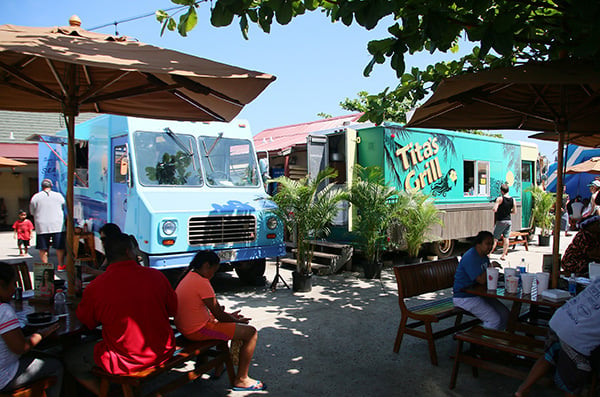
North Shore food trucks give families an easy way to enjoy fresh, local food on the go. Beyond well-known spots like Giovanni’s and Romy’s, the Hukilau Marketplace offers its own lineup of family-friendly food trucks right at the Polynesian Cultural Center. Options like, Tita’s Grill, Guadalajara Grill, or North Shore Crepes Cafe make it simple for everyone to find something they love.
Planning Your North Shore Family Day
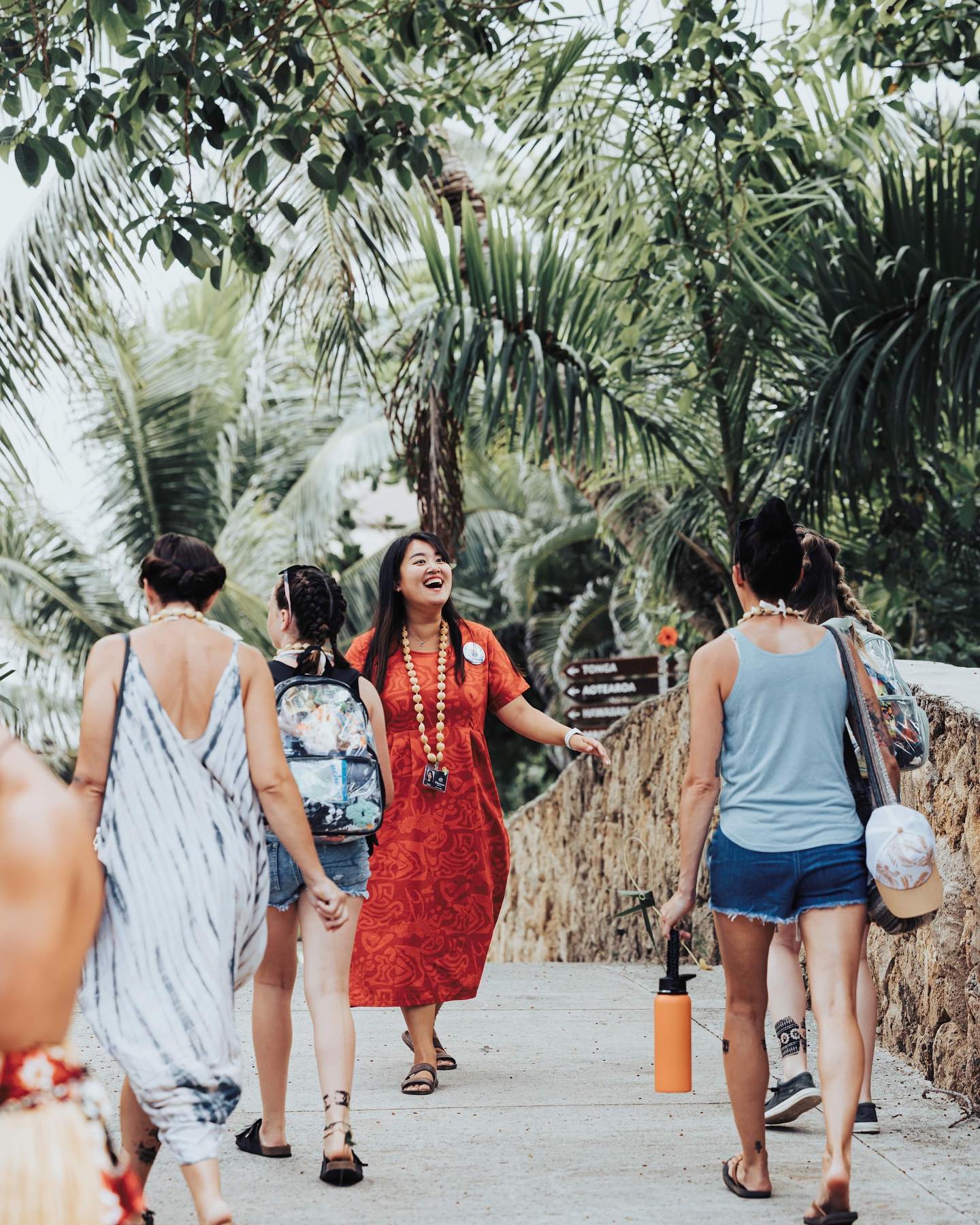
Most families base themselves in Waikiki and drive north, taking about an hour without traffic. Morning departures work best, arriving at the Polynesian Cultural Center when it opens. This timing allows exploration of island villages before the afternoon heat peaks.
The Super Ambassador package includes a guided village tour that helps families navigate the 42-acre Center efficiently. Guides share cultural knowledge while ensuring children stay engaged. The package also includes the Aliʻi Lūʻau and reserved seating for Hā: Breath of Life.
Comfortable walking shoes matter more than fancy clothes. The Center's open-air design means families spend most time outdoors. Sunscreen, hats, and light layers for evening work well. Children, under age three, qualify for free admission.
Why Families Choose the North Shore
The North Shore's combination of natural beauty and authentic cultural experiences creates an ideal family destination. Children engage with hands-on activities while adults gain appreciation for Pacific Islander heritage. Grandparents find comfortable seating and shade while still participating in activities.
Unlike crowded Waikiki attractions, the North Shore maintains a relaxed pace. Families can slow down, ask questions, and genuinely connect with cultural presenters. This unhurried approach reduces stress while maximizing learning.
The educational component appeals to parents who want to travel to broaden their children's perspectives. These experiences build cultural awareness that lasts far beyond the vacation.
FAQ: North Shore Family Activities
What is the best family activity on Oʻahu's North Shore? The Polynesian Cultural Center offers the most comprehensive family experience on the North Shore, combining hands-on cultural activities with authentic dining and performances. Six island villages provide interactive learning appropriate for all ages, from toddlers to grandparents.
How much time should families spend at the Polynesian Cultural Center? A full day allows families to visit all six villages, participate in hands-on activities, attend the Aliʻi Lūʻau, and watch Hā: Breath of Life. The Center opens at 12:15 PM, and most families stay until the show ends around 9:00 PM.
Are North Shore activities suitable for young children? Yes. Most North Shore family activities work well for children ages 3 and up. The Polynesian Cultural Center provides stroller-accessible paths, and children under 3 receive free admission.
Can we visit the North Shore and Waikiki in one day? The drive from Waikiki to the North Shore takes about an hour each way. However, the Polynesian Cultural Center alone requires 6-8 hours to experience fully. Most families dedicate a complete day to the North Shore rather than splitting time between regions.
What should families bring to the Polynesian Cultural Center? Comfortable walking shoes, sunscreen, hats, and light layers for evening temperatures. Cameras are welcome except during certain performances. The Center provides all cultural activity equipment. Small backpacks help carry water and snacks for children.
Is the North Shore too crowded for families? The North Shore maintains a relaxed atmosphere compared to Waikiki. The Polynesian Cultural Center's 42-acre grounds prevent overcrowding, and villages space out guests naturally. Even during peak season, families find comfortable viewing areas and rarely wait long for activities.